Advertisement
Trump adds Ksh12M fee for skilled worker visa applicants
20th September, 2025 11:57 AM
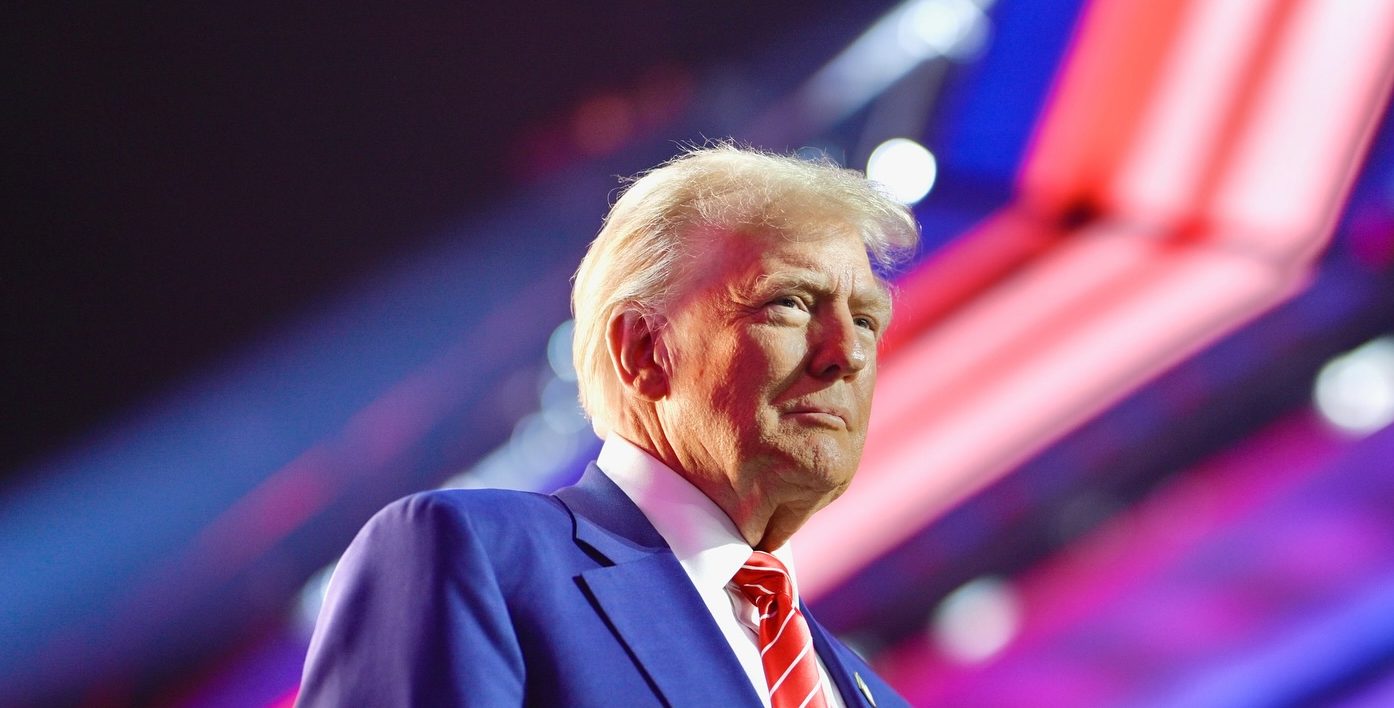
US President Donald Trump has signed an executive order that will add a Ksh12 million annual fee for applicants to the H-1B visa programme for skilled foreign workers.
Trump’s order mentions “abuse” of the programme and will restrict entry unless payment is made.
Critics have long argued that H-1Bs undercut the American workforce, while supporters – including billionaire Elon Musk – argue it allows the US to attract top talent from around the world.
In another order, Trump established a new “gold card” to expedite visas for certain immigrants in exchange for fees starting at Ksh151 million.
Trump’s order is due to come into force on 21 September. It would only apply to new requests, but companies would have to pay the same amount for each applicant for six years, US Commerce Secretary Howard Lutnick said.
“The company needs to decide… is the person valuable enough to have a Ksh12 million-a-year payment to the government, or should they head home, and they should go hire an American,” he said, adding, “All of the big companies are on board.”
Since 2004, the number of H-1B applications has been capped at Ksh10 million per year.
Until now, H-1B visas have carried various administrative fees totalling around Ksh193,000.
Data from the US Citizenship and Immigration Services (USCIS) shows that applications for H-1B visas for the next fiscal year fell to about 359,000 – a four-year low.
The greatest beneficiary of the programme in the previous fiscal year was Amazon, followed by tech giants Tata, Microsoft, Meta, Apple and Google, according to government statistics.
Tahmina Watson, a founding attorney at Watson Immigration Law, told the BBC that the ruling could be a “nail in the coffin” for many of her clients, who are mostly small businesses and start-ups.
“Almost everyone’s going to be priced out. This Ksh12 million as an entry point is going to have a devastating impact,” she added, noting that many small- or medium-sized companies “will tell you they actually can’t find workers to do the job”.
“When employers sponsor foreign talent, more often than not, they’re doing that because they have not been able to fulfil those positions,” Ms Watson added.
Jorge Lopez, the chair of the immigration and global mobility practice group at Littler Mendelson PC, said a Ksh12 million fee “will put the brakes on American competitiveness in the tech sector and all industries”.
Some companies might consider setting up operations outside the US, though doing so can be challenging in practice, he added.
H-1B
The debate over H-1Bs had previously caused splits within Trump’s team and supporters, pitting those in favour of the visas against critics such as former strategist Steve Bannon.
Trump told reporters at the White House in January that he understands “both sides of the argument” on H-1Bs.
The year before, while seeking to attract support from the tech industry while on the campaign trail, Trump vowed to make the process of attracting talent easier, going as far as to propose green cards for college graduates.
“You need a pool of people to work for companies,” he told the All-In Podcast. “You have to be able to recruit these people and keep these people.”
Early in his first term in 2017, Trump signed an executive order that increased scrutiny of H-1B applications, seeking to improve fraud detection.
Rejections rose to an all-time high of 24 percent in the 2018 fiscal year, compared to between 5 percent and 8 percent under Barack Obama and then between 2 per cent and 4 per cent under Joe Biden.
At the time, tech companies pushed back, harshly criticising the Trump administration’s H-1B order.
The potential for additional restrictions to the H-1B programme has caused considerable concern in countries such as India, which is by far the largest source country for such visa applications.