Advertisement
Sifuna blames Ruto’s foreign policy blunders for Raila’s AUC loss
23rd July, 2025 12:15 AM
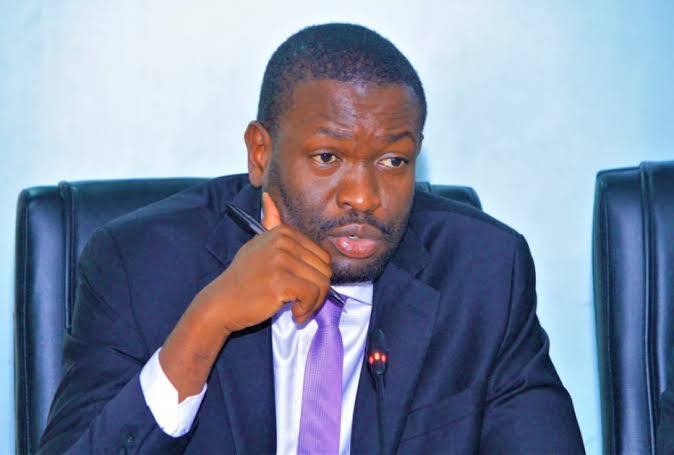
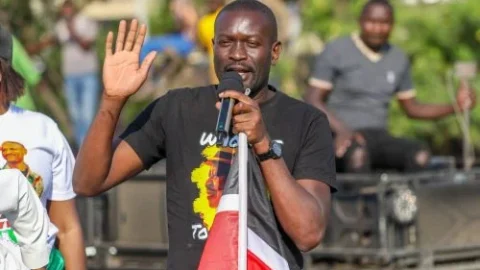
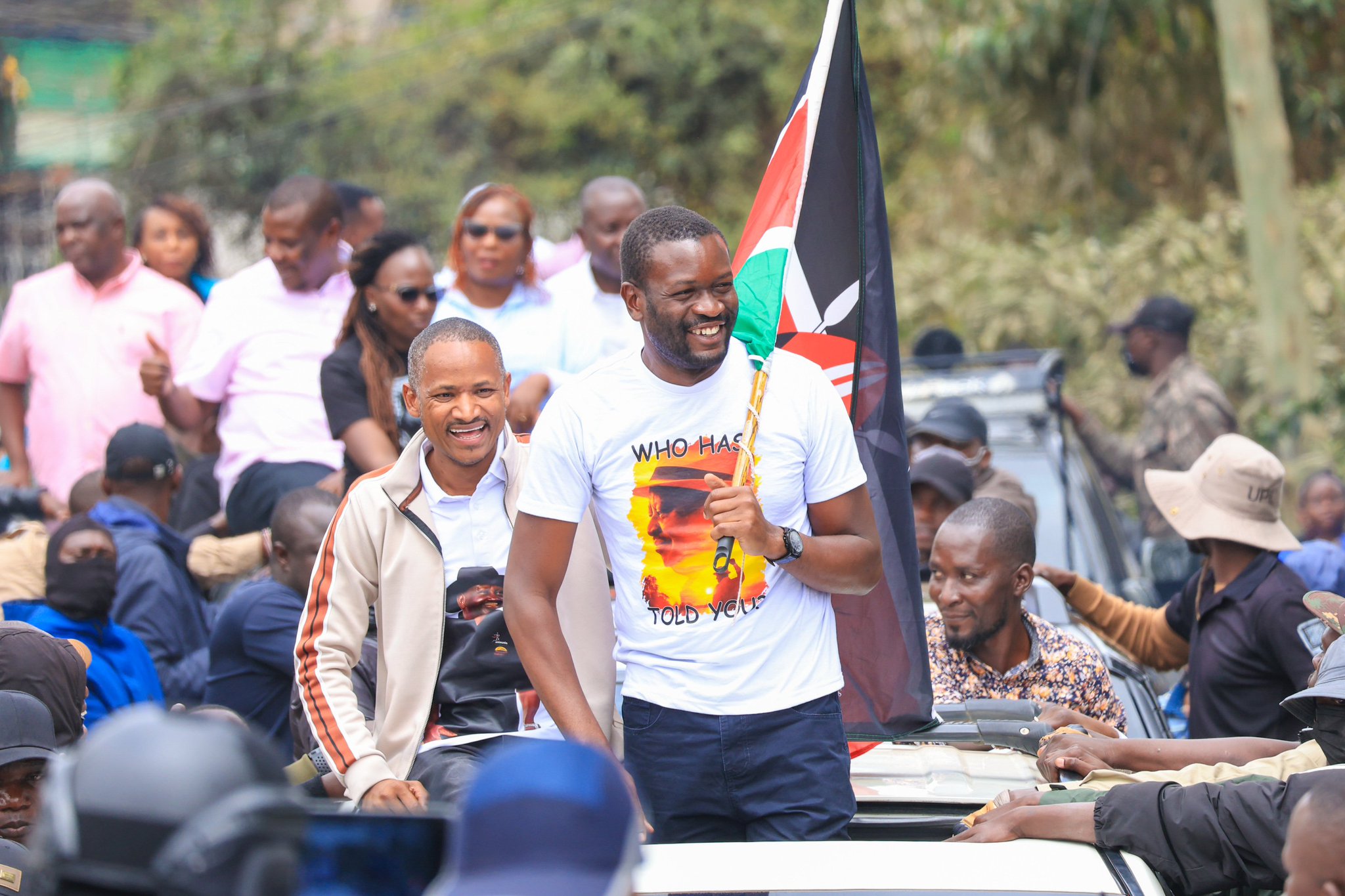
Nairobi Senator Edwin Sifuna has faulted President William Ruto’s foreign policy for former Prime Minister Raila Odinga’s failed bid to become the African Union Commission (AUC) chairperson.
Speaking during a TV interview on Tuesday, July 22, 2025, Sifuna expressed disappointment over the outcome, arguing that Raila was a strong and deserving candidate with the necessary credentials and continental stature.
“I have said that we had a stellar candidate for the position of AU Chair, but he was messed up by William Ruto’s fumbling of Kenya’s foreign policy. The vote was a reflection of the thinking of African heads of state about William Ruto. That has been my position, and it will never change,” Sifuna stated.
However, he claimed that Kenya’s diplomatic missteps under President Ruto played a major role in eroding support for Raila’s candidacy among African heads of state. Sifuna contended that the vote outcome was not just a rejection of Raila, but a broader reflection of how other African leaders perceive Kenya’s current foreign policy direction.
According to him, the country’s engagement on the international stage has suffered under Ruto’s leadership, leading to strained relations and diminishing influence within the African Union.
He reiterated that Kenya had failed to effectively marshal the necessary diplomatic backing for Raila, ultimately dooming his chances at clinching the AU top job.
Poor diplomatic decisions
On February 19, 2025, Sifuna pointed to Kenya’s decision to host rebel leaders from the Democratic Republic of Congo (DRC) as one of the controversial moves that may have hurt Raila’s campaign.
“We were all perturbed when leaders of a rebel movement were granted the opportunity to speak from our shores here… Raila is a democrat; he would never support the upending of power other than using democratic processes,” he stated during a Senate session.
Sifuna also raised concerns about Kenya’s inconsistent stance on global issues, especially the Israel-Palestine conflict, and how this mismatch between the state and Raila’s position may have confused or discouraged potential allies.
“Raila is my party leader, and I have heard him publicly take a position to support the Palestinian people and say they have a right to a home. That is the position of the candidate, but what is the position of the sponsoring country?” he posed.

“When the sponsoring country takes an opposite position to the candidate, it presents a problem,” he added.
Wiper Party leader Kalonzo Musyoka also shared similar sentiments on the cause of Raila’s defeat.
Speaking on February 22, 2025, Kalonzo argued that Raila’s loss was not due to his credentials but because of President Ruto’s strained relations with other African leaders.
“It wasn’t Raila who lost to the Djibouti candidate; it was Ruto. Ruto lost because of poor relations with other presidents. Raila was not the one casting votes; it was the presidents themselves who were voting,” Kalonzo said.
He linked the diplomatic tension to Kenya’s handling of regional security challenges, especially in the DRC.
“Recently in Goma, DRC, Tanzanian soldiers were killed, and the city was captured. Burundi expressed similar concerns. In DRC, people continue to die. Looking at the pictures, over 5,000 people are being buried in open graves. South African soldiers have also been killed in Goma,” he said.
Kalonzo further criticised the sidelining of former President Uhuru Kenyatta, who had been tasked with regional peace efforts.
“Former President Uhuru Kenyatta was handling this work very well until they became jealous and told him to leave a meaningful initiative he had started. Since his departure, the killings have continued. That is why we must critically examine the leadership situation in Kenya,” Kalonzo added.