Advertisement
Senator Maanzo defends NCIC, calls for stronger mandate amid ethnic strains
17th July, 2025 07:31 AM
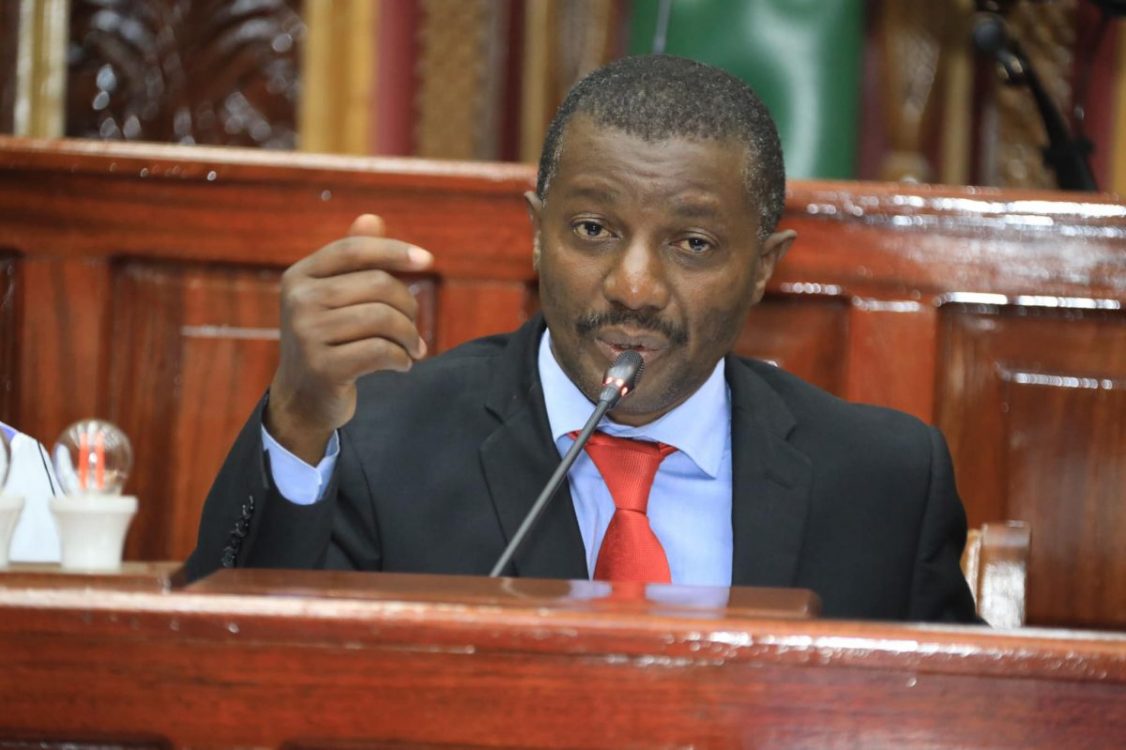
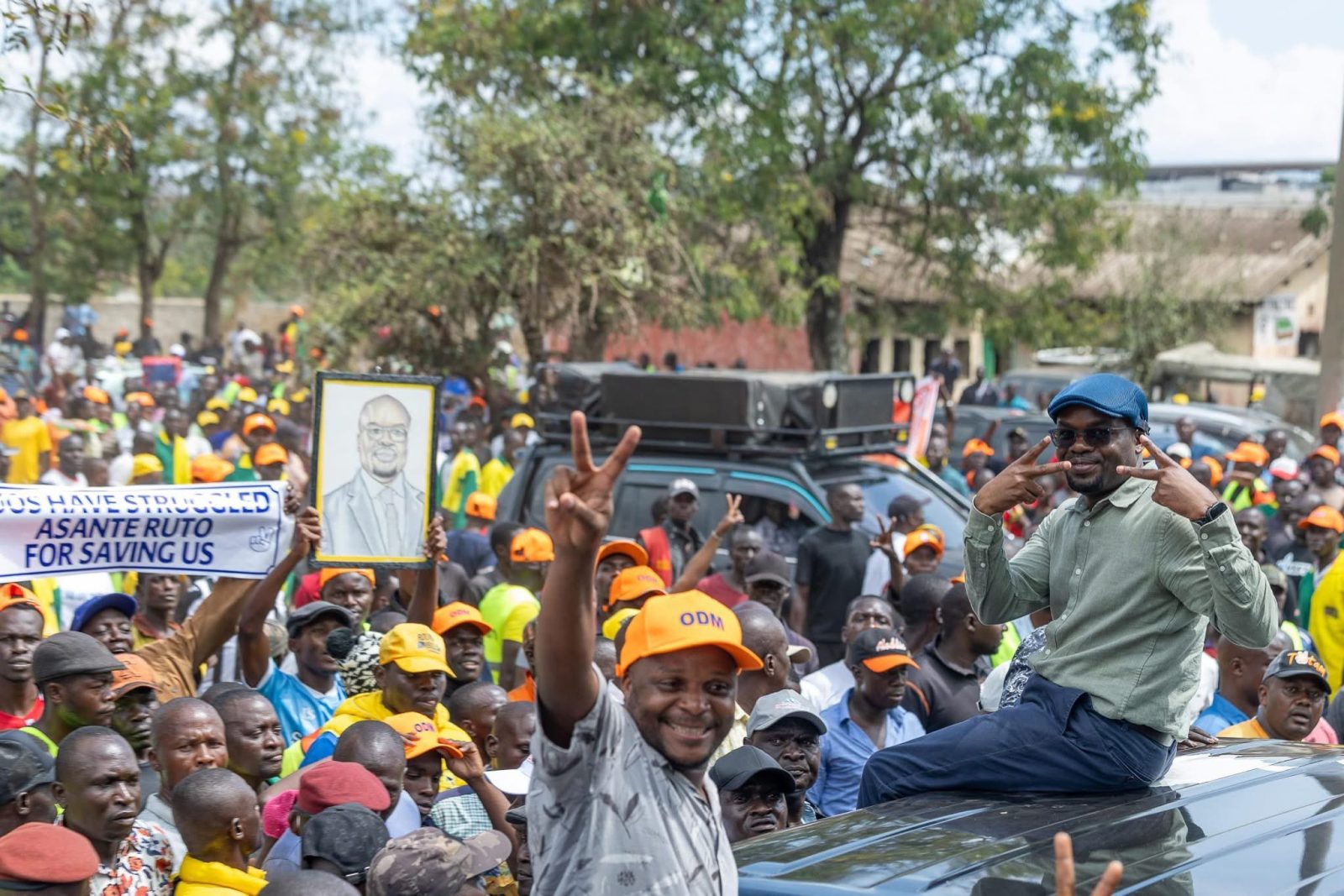
Makueni Senator Dan Maanzo has come to the defence of the National Cohesion and Integration Commission (NCIC), emphasising its crucial role in maintaining peace and addressing ethnic tensions across the country.
Maanzo’s remarks come amid increased scrutiny of the NCIC’s ability to rein in hate speech and divisive politics, especially as the country inches closer to future elections.
Amid growing calls for the commission’s disbandment, the senator has argued that the NCIC should instead be empowered and better funded.
Speaking on a local TV station on Thursday, July 17, 2025, Maanzo highlighted the NCIC’s collaboration with key security agencies and its behind-the-scenes efforts in promoting national cohesion.
“They also work with the Department of Directorate of Criminal Investigations, the Inspector General also works with the Office of the Director of Public Prosecution, so you cannot say that they are not properly supported by those institutions,” he said.
However, the senator acknowledged operational limitations, citing financial constraints.
“Their budgets have been cut, the movement is limited, and whether it’s supposed to travel around the country and deal with the situations where there is tension, they are unable to do that,” Maanzo stated, pointing to challenges in accessing trouble-prone regions like northern Kenya.

He further stressed the need for the NCIC to operate independently and without political influence. “They must follow their acts, if I do not like a politician, I want to pressurise the police on that politician, even when he makes fair comments,” he warned.
Addressing the commission’s role in resolving community conflicts, Maanzo commended its effectiveness.
“They are permanently busy. They are so active in putting communities together,” he said.
“They were the ones who were responsible for sorting out that problem, which was brewing between the Maasai community and the neighbouring communities, cattle theft, killings, and land issues.”
He also defended the commission’s preference for reconciliation over prosecution.
“Their work is not to strictly prosecute, but to make sure that there are no ethnic tensions,” he said. “Mostly when it is a public apology, that matter ends.”
Rejecting the notion of scrapping the NCIC, Maanzo said, “No, we should not disband it. It’s a very important body, especially right now, when we have a lot of ethnic tensions. This is a time they should be strengthened.”