Advertisement
Parliament passes bill to regulate virtual asset service providers
07th October, 2025 05:47 PM
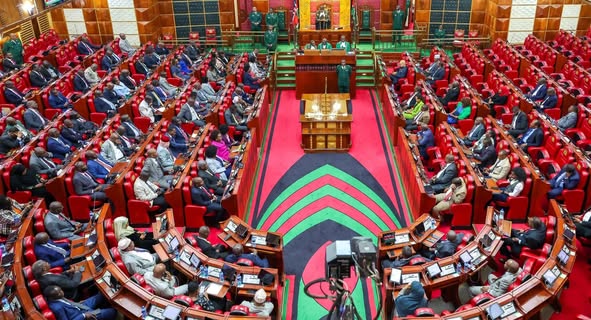
The National Assembly has passed the Virtual Asset Service Providers Bill (National Assembly Bill No. 15 of 2025), marking a significant step toward regulating Kenya’s rapidly growing digital asset sector.
The bill, passed on Tuesday, October 7, 2025, establishes a comprehensive legal framework for the registration, licensing, and supervision of virtual asset service providers (VASPs), entities dealing in cryptocurrencies, digital tokens, and related financial technologies.
Also watch: Stakeholders push for lower digital asset tax in Finance Bill 2025
The bill, introduced to Kenyan legislators on April 4, 2025, provides a legislative framework to regulate virtual asset service providers and address risks associated with the misuse of virtual asset products and services provided by virtual asset service providers.
“Members of the National Assembly have passed the Virtual Asset Service Providers Bill (National Assembly Bill No.15 of 2025),” the National Assembly revealed.

Provisions of the bill
According to the document’s provisions, the Kenyan National Treasury aims to bring VASPs under the regulatory purview of the Kenyan Capital Markets Association and the Central Bank of Kenya.
The VASP Bill 2025 proposes that licensed exchanges must open physical offices in the country and put anti-money laundering/combating the financing of terrorism (AML/CFT) measures in place.
This implies that these crypto firms must collect information on users who transact on their platforms and share it with relevant government agencies.
Under the new legal regime, only licensed entities can issue initial coin offerings (ICOs), and only after obtaining regulatory approval.
Kenya is now walking back on its stance towards digital assets after initially implementing a soft ban in 2015 and warning financial institutions to steer clear of cryptocurrencies.
Once enacted, the Bill will require all service providers engaged in the issuance, exchange, transfer, or safekeeping of virtual assets to register and obtain licences from the designated regulatory authority. It also mandates the implementation of Know Your Customer (KYC) and Anti-Money Laundering (AML) measures to enhance transparency and accountability within the sector.