Advertisement
Outrage in Tharaka Nithi over hidden FGM practices on babies, married women
23rd July, 2025 02:46 PM
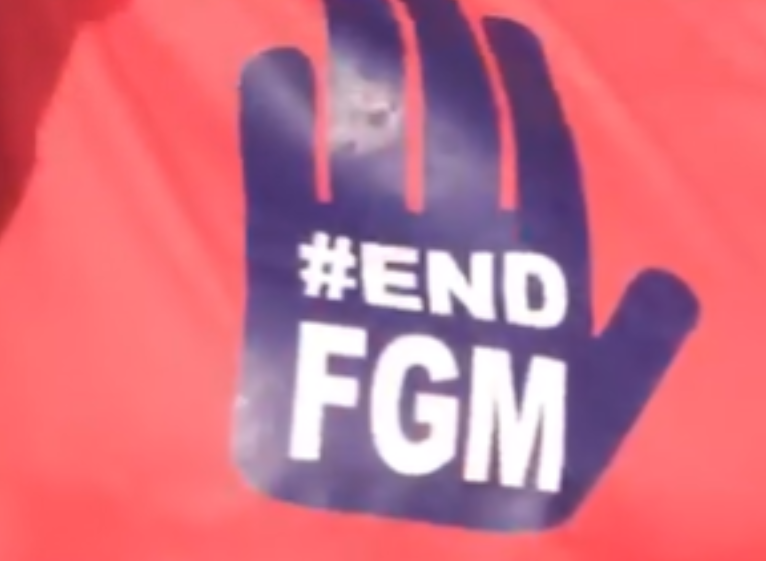
Residents of Tharaka Nithi County have taken to the streets to protest the continued practice of Female Genital Mutilation (FGM), which they say is still being carried out in secret, despite being outlawed in Kenya.
The protesters, who included girls, women, religious leaders, and rights activists, decried a growing trend in which newborn girls and married women are being subjected to the cut behind closed doors.
Although the law strictly prohibits FGM and widespread campaigns have condemned it as a violation of human rights, the practice remains deeply entrenched in some cultural traditions within the country.
Community members say that perpetrators have now resorted to highly concealed methods to continue the practice.
Speaking during the protest, Jamlick Gitonga, a local religious leader, explained that the practice now takes place in utmost secrecy. In many cases, newborn girls are circumcised within days of birth, with only the mother and a few trusted women aware of what has happened.
He said for married women, there is growing pressure from some husbands who still believe that a woman is not complete unless she has undergone FGM. In such cases, some women undergo the procedure long after marriage, often in secret, and in response to marital or cultural demands. This hidden revival of FGM is now seen as a silent epidemic that continues to harm women under the radar.
“Cutting still happens, but they are doing it differently. A girl can be born today, and within one week, she is already circumcised. Only her mother knows. It becomes a woman’s secret. As for married women, some men say they don’t want a wife who hasn’t undergone the cut. So the woman ends up being circumcised. But circumcision is not accepted, even by religion,” Gitonga stated.
Activists say the perpetrators have also started using what is known as cross-border FGM, where girls are taken outside the country to avoid suspicion.
“Some families now take girls from Tharaka Nithi to Meru for the procedure, and bring them back after a month. As a community, we cannot tell whether the girl was cut. Others are even taken to hospitals that break the law,” Jesse Munene, a leader with the group Fit for Future, which fights for the rights of girls, said.
Many women in the county shared emotional testimonies about the pain and lifelong effects of FGM.
Kaluma on FGM
“First of all, it is very painful and has complications. Infections that can affect a woman for life. There is fear and anxiety,” Ann Joy Kanana, a resident, lamented.
This outcry comes months after Homa Bay Town Member of Parliament, Peter Kaluma, publicly condemned FGM and other harmful practices targeting girls.
In a statement shared on his official X (formerly Twitter) account on March 5, 2025, Kaluma questioned why some communities insist on continuing the outlawed tradition, yet their men often seek partners from communities that do not practice FGM.
“Why do some communities insist on this primitive criminal culture? Why do men from these communities insist on FGM for their daughters, only to flock to Kisumu, Mombasa, etc., for unmutilated ladies? Stop FGM. Stop teenage pregnancies. Stop early marriages! Girls should not be mothers, wives!” Kaluma declared.