Advertisement
Omtatah slams DIG Lagat over handling of Albert Ojwang’s case
14th July, 2025 11:44 PM
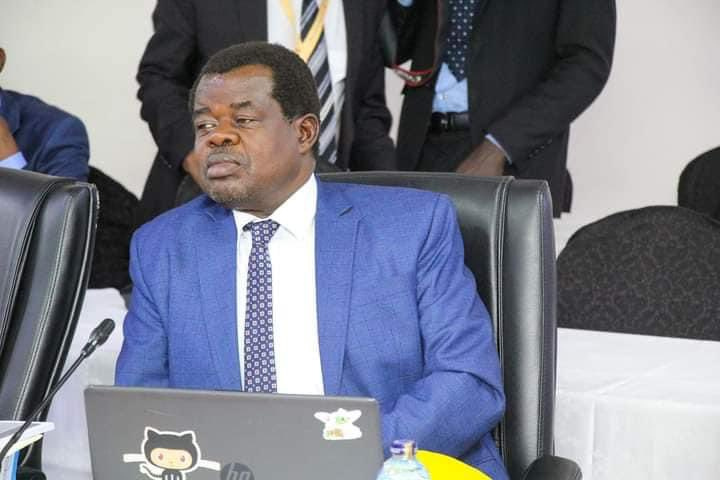
Busia Senator and human rights defender Okiya Omtatah has strongly criticised Deputy Inspector General of Police Eliud Lagat over the controversial circumstances surrounding the death of Albert Ojwang’, a youthful teacher who died in police custody at Central Police Station in Nairobi.
Ojwang’ had been arrested following a defamation complaint filed by DIG Lagat, sparking widespread outrage after it was revealed that he died while in police custody.
The incident drew sharp condemnation from rights groups and legal experts and protests by Gen Z, who demanded justice for Ojwang.
Speaking during an interview with a local TV station on the night of Monday, July 14, 2025, Omtatah declared the entire process used by Lagat to launch the complaint unlawful and a clear sign of the breakdown of the rule of law in the country.
“It tells you that there is no rule of law in this country,” Omtatah said.
“First of all, from what I gathered, Lagat is supposed to have complained of being defamed on social media. The police had no business getting involved in a defamation matter.”
Omtatah on criminal libel
Omtatah pointed out that the courts have already ruled on such issues, citing a landmark judgement by Justice Mumbi Ngugi that invalidated criminal libel in Kenya.
“There was a judgement that Justice Mumbi Ngugi delivered invalidating criminal libel. So, at the level of Mr. Lagat, I would expect that he understands the law,” he added.
Appropriate course of action
He argued that if Lagat felt genuinely defamed, the appropriate course of action would have been a civil suit or direct legal recourse—not using the police force to intimidate or arrest a citizen.
“If he had been defamed, he was to take a lawyer or take himself right to whoever was defaming him and demand an apology. But to do what he did is very wrong,” Omtatah asserted.
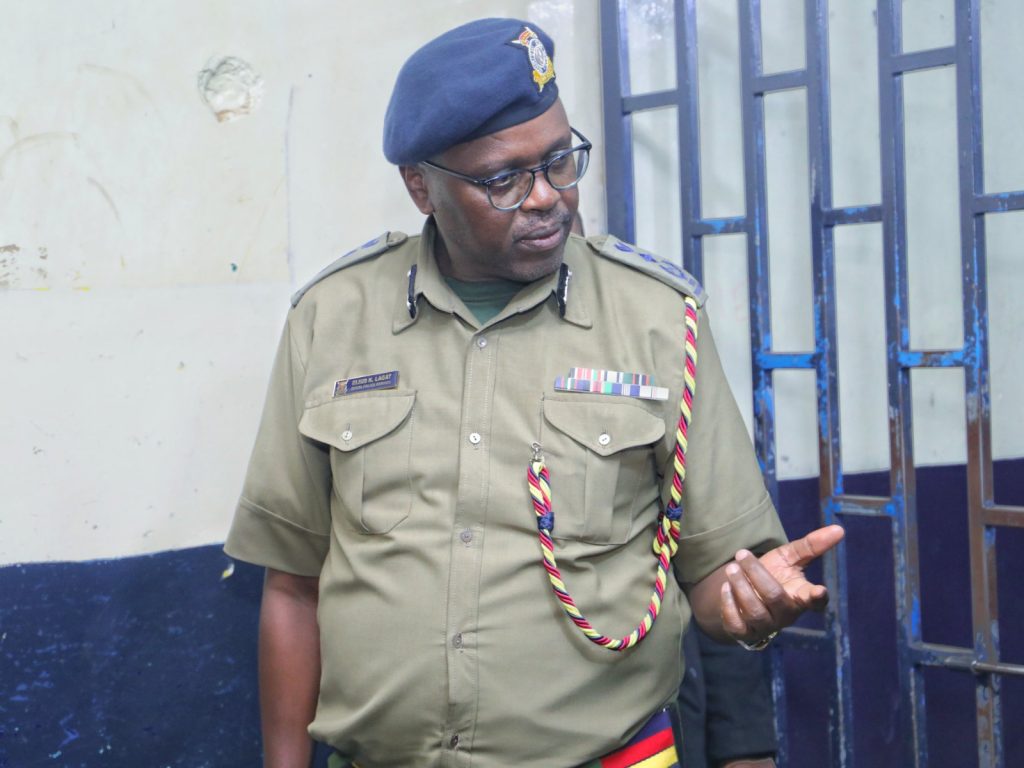
DIG Lagat had stepped aside briefly to allow investigations into Ojwang’s death, but his resumption of duties has reignited public debate and concerns over accountability within the National Police Service.
The case has become a flashpoint for calls to reform police procedures, particularly in how officers handle non-criminal civil matters such as defamation. It also raises uncomfortable questions about abuse of power and impunity at high levels of law enforcement.