Advertisement
Omtatah: Gen Zs are Kenya’s greatest resource
12th August, 2025 02:11 PM
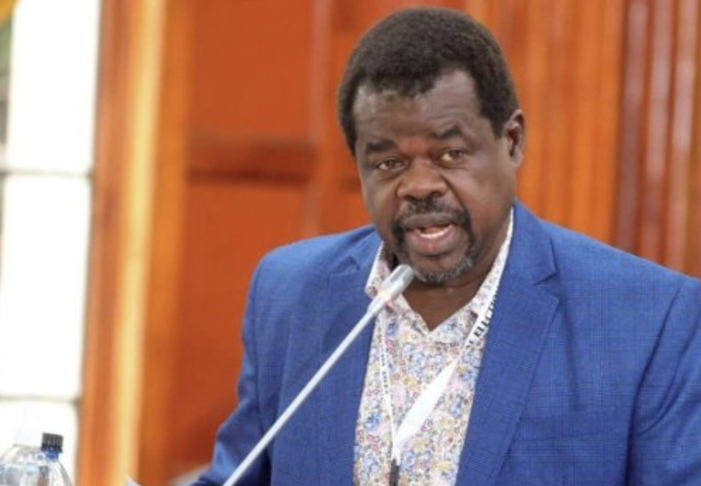
Busia Senator Okiya Omtatah has called on young Kenyans to take charge of the country’s destiny, praising their courage, creativity, and resilience in confronting challenges.
In a statement shared on his X account on Tuesday, August 12, 2025, to mark International Youth Day, Omtatah described Kenya’s youth as the country’s greatest resource and the drivers of future progress.
“On this International Youth Day, I salute the grit, creativity, and courage of Kenya’s young people, our nation’s greatest resource. You are the torchbearers of justice, innovation, and progress. The future will be shaped not by chance, but by the boldness of your actions today,” he said.
He urged them to be bold and proactive in shaping the nation they want to live in.
“Stand up, take charge, and build the Kenya you deserve. Your time is now,” Omtatah added.
He emphasised that Kenya’s progress will not happen by accident but through deliberate action by its citizens, especially the younger generation.
“The future will be shaped not by chance, but by the boldness of your actions today,” he reminded them.
Youth in action
The senator’s remarks come at a time when Kenyan youth have increasingly shown their ability to influence national debates and challenge the status quo. Over the past few years, young people have been at the forefront of calls for good governance, accountability, and social justice.
During the anti-finance bill protests in 2024, thousands of young Kenyans took to the streets to oppose policies they saw as harmful to ordinary citizens. They mobilised through social media, organised peaceful demonstrations, and spoke out fearlessly against government excesses. Many were met with arrests, intimidation, and police violence, but their determination did not waver.
Kenyan youth have also been instrumental in calling out corruption and human rights violations, including cases of police brutality and extra-judicial killings. Movements such as #EndPoliceBrutalityKE and campaigns against enforced disappearances have been led largely by young activists, students, and community organisers.
In early June 2025, the death of blogger-teacher Albert Ojwang in police custody ignited new waves of protests.
On June 25, 2025, widespread demonstrations flared across Kenya. Youth-led protests against police brutality, corruption, and economic hardship erupted in Nairobi and beyond.
The unrest continued into July 7, 2025, on Saba Saba protests claimed lives in Nairobi amid a broader crackdown across 17 counties, including live ammunition and roadblocks enforced by police.