Advertisement
Kenya’s flag etiquette: Rules every citizen should know
25th September, 2025 08:27 PM
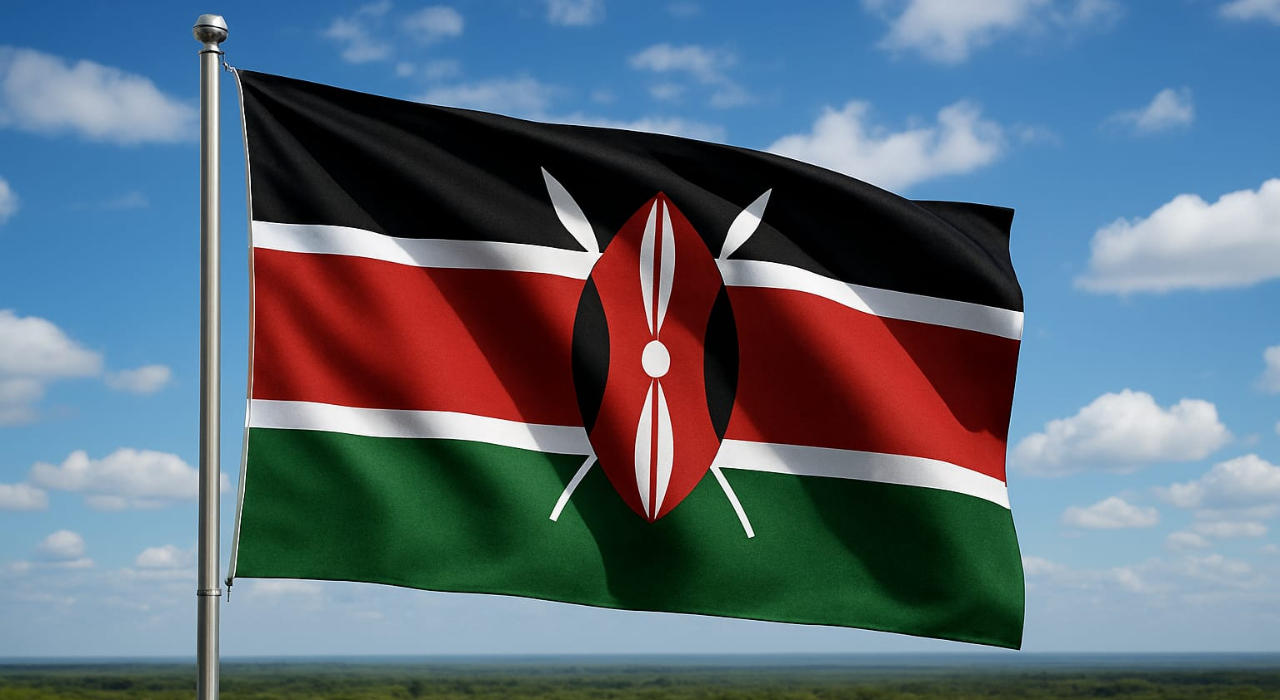
In recent days, Kenya’s national flag has been trending after Mogadishu FC fans were accused of disrespecting it.
Images showing the flag handled inappropriately sparked outrage, with many Kenyans expressing disappointment at what they saw as disregard for one of the country’s most important symbols.
The incident has reignited conversations on why respecting the flag matters and the rules every citizen should follow.
The Kenyan flag is more than just a combination of colours and symbols. Adopted at independence in 1963, it represents the struggles, unity, and resilience of the nation. The black stands for the people of Kenya, red for the bloodshed in the fight for freedom, green for the fertile land, and white for peace.
Here are five key rules that all Kenyans should know:
Never let the flag touch the ground
Never let the flag touch the ground, as it is considered the highest form of disrespect. This reminder comes after the recent Nyayo Stadium incident, where the police have since arrested a suspect involved in desecrating the Kenyan flag.
Allowing the flag to touch the ground is considered a serious act of disrespect. It should always be handled with care and kept clean and elevated.
“The incident took place on 20/09/2025 at Nyayo Stadium, where two individuals were captured on camera disrespecting the national flag—an act that is both unlawful and deeply offensive to the values we uphold as a nation,” a statement from the DCI noted in part in relation to teenage boys disrespecting our flag.
Raise at sunrise, lower at sunset
Raise the flag at sunrise and bring it down at sunset. This tradition shows respect by ensuring the flag is only displayed during hours of light, symbolising dignity and visibility.

The flag should be raised briskly at sunrise and lowered slowly at sunset. Flying the flag at night is only permitted if it is properly illuminated.
No other flag above it
When the Kenyan national flag is flown alongside other flags. For example, county flags, organisational flags, or even international flags — no flag should ever be placed above it or appear to have a higher status. The national flag must always occupy the position of highest honour.
Do not use the flag for decoration
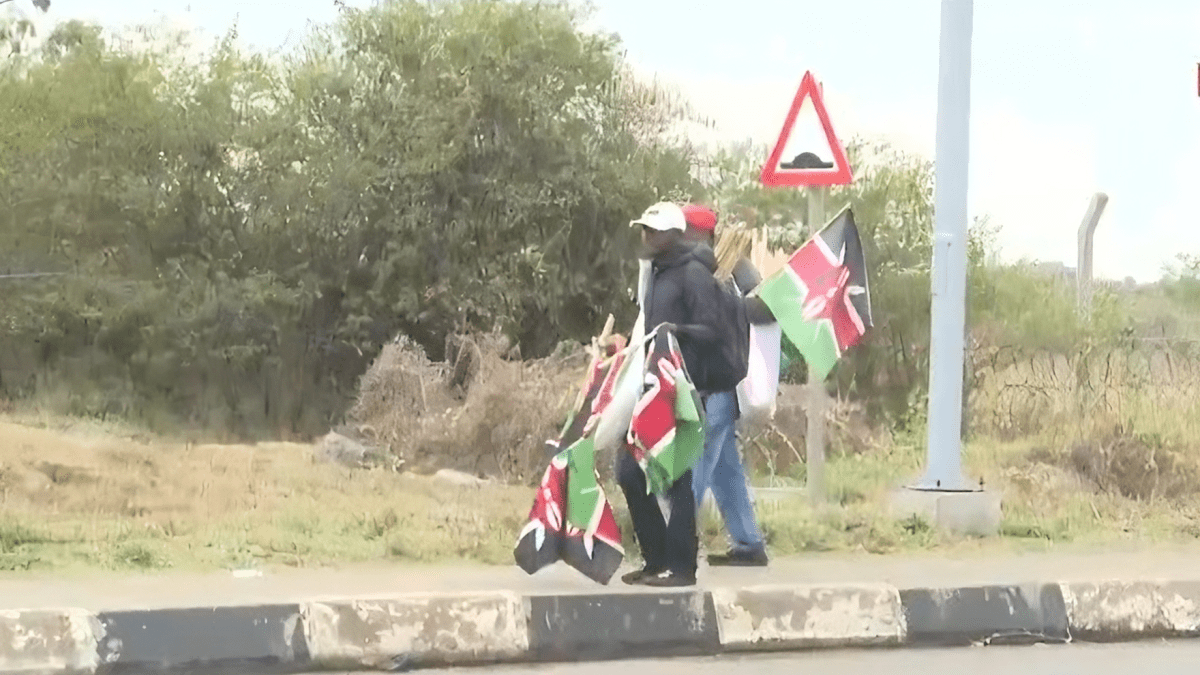
The national flag is not a fashion accessory or decoration. Printing it on items such as T-shirts, napkins, cushions, or disposable materials is prohibited. It must always be preserved as a symbol of national dignity, not for casual use.
Half-mast only for mourning
The flag may only be flown at half-mast during periods of national mourning as directed by the President. It must first be raised to the top of the pole before being lowered halfway.
Why it matters
Respecting the flag is about more than just following rules. It is about recognising the sacrifices that secured Kenya’s independence and honouring the values of unity and peace. Moments like the Mogadishu FC controversy remind us that the flag is not to be taken lightly.
Every time the flag is raised, whether at schools, government offices, or national events, it serves as a powerful reminder of what it means to be Kenyan.
So next time you see the Kenyan flag waving, pause for a second. Smile. Say, ‘Hii ni yetu’ (this is ours). Because truly, the flag is not just cloth—it’s our story, our struggle, and our spirit.