Advertisement
Kenyans split on severity of penalties imposed under Cybercrimes law
27th October, 2025 07:49 PM

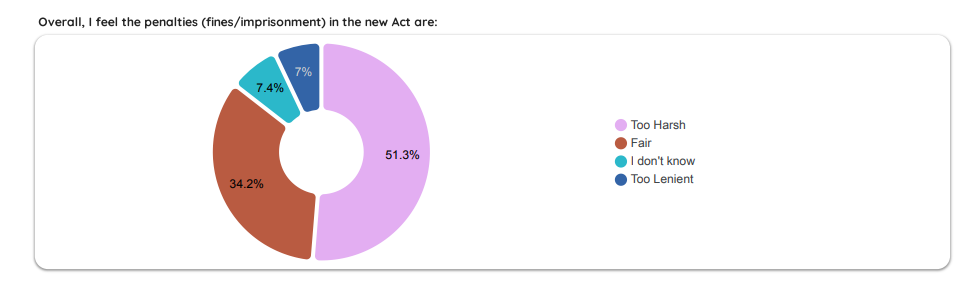
A new Stahili Pulse Report shows Kenyans remain sharply divided over the severity of penalties introduced under the amended Computer Misuse and Cybercrimes Act.
According to the findings titled Cyber Crimes Act—Kenyans’ Views released on Monday, October 27, 2025, 51.3 per cent of respondents believe the penalties in the new law are too harsh, while 34.2 per cent say they are fair. Another 7.4 per cent said they do not know, and 7 per cent consider the penalties too lenient.
The results highlight growing debate around the balance between protecting citizens from cybercrime and safeguarding digital freedoms. Many Kenyans have voiced concern that some of the new provisions could be misused by authorities to stifle dissent or punish online criticism, while others say firm action is long overdue to deal with the rise of cyber offences.
The report, which gathered responses from 3,331 participants across all regions of the country, shows that Gen Z and Millennials dominated the survey, representing 77.8 per cent and 18.4 per cent, respectively.
The poll also drew the highest number of respondents from Rift Valley (793) and Central Kenya (635), followed by Nairobi (471) and Nyanza (333).
Government defends new cybercrime law
In a statement on Thursday, October 23, 2025, Government Spokesperson Isaac Mwaura clarified that the new amendments have been misinterpreted by some critics, emphasising that they do not give government agencies unchecked powers to silence dissent or restrict legitimate online activity.
He said the law’s main goal is to protect citizens from the growing threat of cybercrime and to ensure that online spaces remain safe for users and businesses alike.
“The government has sought to allay public concerns over the recently enacted Computer Misuse and Cybercrimes (Amendment) Act, stating that the law is not intended to suppress freedom of expression but to protect citizens from the growing menace of cybercrime,” Mwaura said.
Those who believe the penalties are too harsh argue that the law should be revised to ensure proportionality between offences and punishments. Critics have also said that some sections of the Act could be misused to suppress dissent or punish people for minor online infractions. Meanwhile, supporters of the law insist that strict measures are necessary to curb rising cases of online crime and protect users from digital fraud, cyberbullying, and misinformation.
Supporters say Kenya has witnessed a growing number of cyber offences, including scams targeting businesses and individuals, and that such crimes must be met with firm legal action.
A Nairobi High Court temporarily suspended the actualisation of the Computer Misuse and Cybercrimes (Amendment) Act, 2024, which was signed into law by President William Ruto on October 15, 2025, until a petition filed in court is heard and determined.
Get Kenya’s Real Pulse — Every Week with Stahili
Make faster, smarter business decisions with Stahili Pulse Reports. Live access, real-time, trended insights across 75 sectors and products gathered daily from over 40,000 consumers across Kenya.
Stay informed on brand health, consumer preference and sector trends, all from verified Kenyan voices on the Stahili App.
Get the latest Stahili Pulse Report and unlock the data behind Kenya’s rapidly changing consumer market.
Want to know more and get your Market Pulse access? Email [email protected] and we’ll get your finger on the pulse.