Advertisement
How to spot November’s supermoon, the closest of the year
02nd November, 2025 02:25 PM
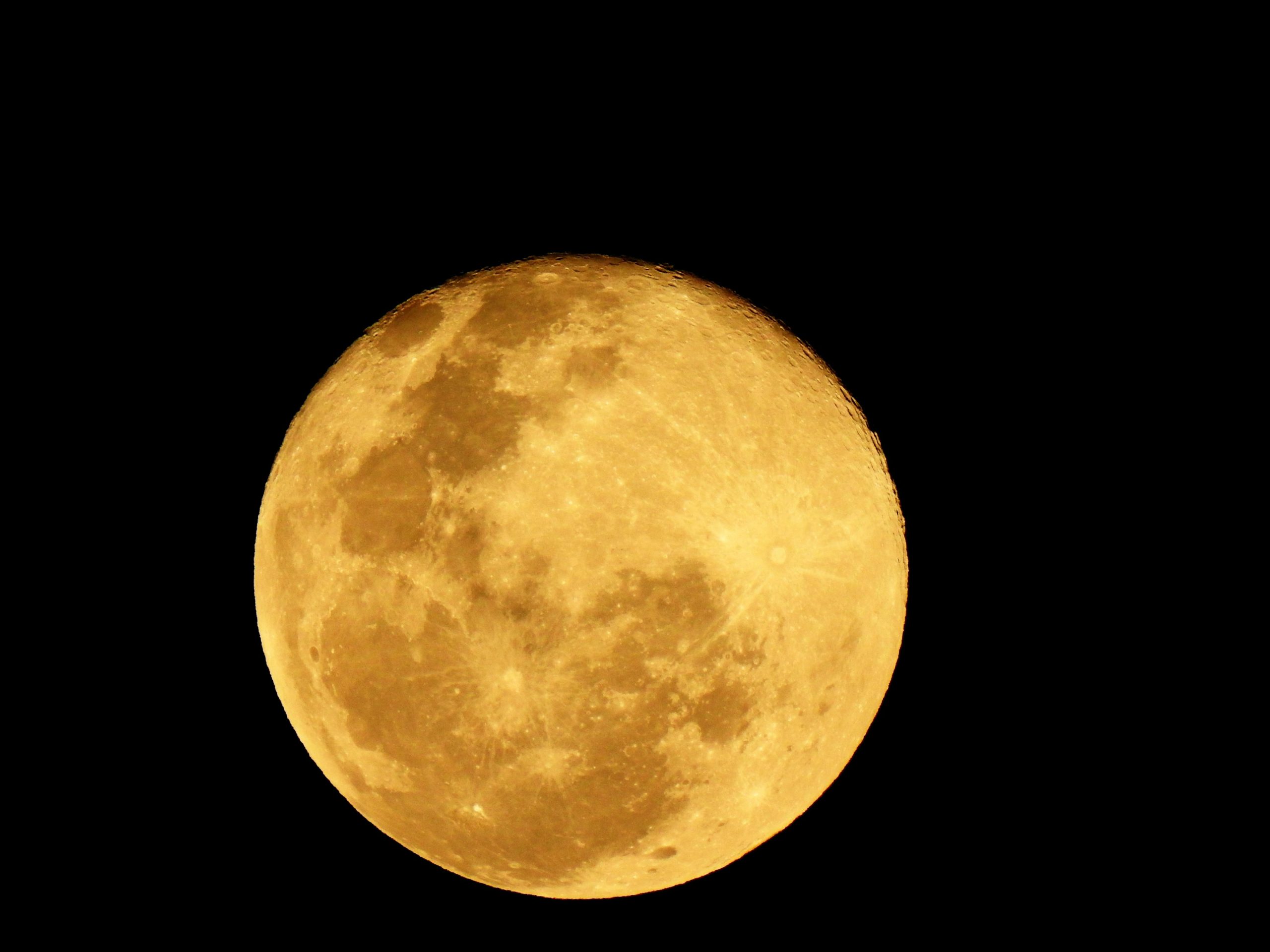
The moon will look slightly bigger and brighter on Wednesday night, November 5, 2025, during the closest supermoon of the year.
The moon’s orbit around the Earth isn’t a perfect circle, so it gets nearer and farther as it swings around.
A so-called supermoon happens when a full moon is closer to Earth in its orbit, making it appear up to 14 per cent bigger and 30 per cent brighter than the faintest moon of the year, according to NASA.
November’s supermoon will be the second of three this year and also the closest, coming within just under 222,000 miles (357,000 kilometres) of Earth.
Astronomers say the phenomenon will reach its full phase at 1:19 p.m., though it will be most striking after sunset.
Beaver Moon origins
This full moon is traditionally called the Beaver Moon, a name that traces its roots to early Native American and European folklore.
Some historians believe it marked the season when beaver traps were set before rivers froze, while others say it referred to the animals’ increased dam-building activity ahead of winter.
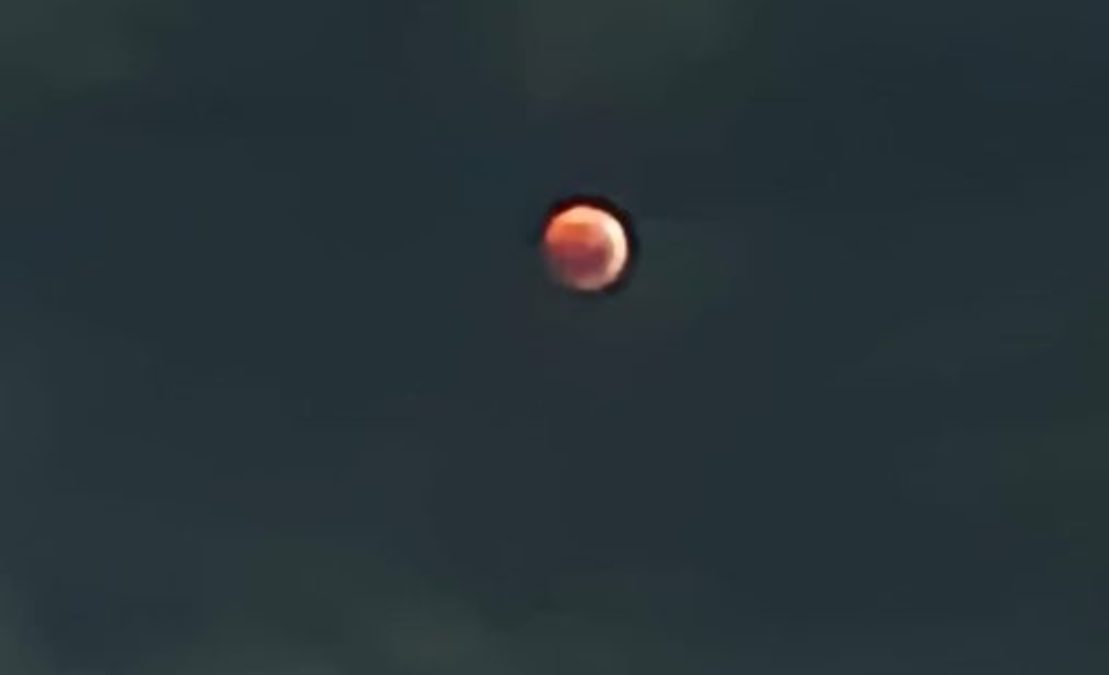
Professor Sara Russell from London’s Natural History Museum noted that the Beaver Moon will be this year’s “largest and brightest” supermoon, following October’s Harvest Moon and preceding December’s Cold Moon.
Best viewing tips
Astronomers advise that no special equipment is needed to enjoy the spectacle; clear skies and a good vantage point are enough.
“The difference is most obvious when compared with other moons or photographs,” explained Shannon Schmoll, director of Abrams Planetarium at Michigan State University.
To get the best view, experts recommend stepping outside shortly after sunset and looking toward the eastern horizon. Binoculars can enhance the experience, but even the naked eye will reveal the moon’s glowing brilliance.
While tides may rise slightly due to the moon’s closeness, astronomers like Lawrence Wasserman of Lowell Observatory say the change will not be significant.
The Beaver Supermoon will remain visible for a few nights before and after November 5, giving stargazers several chances to witness the biggest lunar show of 2025.