Advertisement
Gakuya raises concerns over equity and vetting in Ruto’s NYOTA rollout
07th October, 2025 08:02 AM

Embakasi North Member of Parliament James Gakuya has demanded clarity and fairness from the government in how the National Youth Opportunities Towards Advancement (NYOTA) programme beneficiaries are selected.
Speaking in an interview on a local TV station on Tuesday, October 7, 2025, Gakuya warned that giving grants broadly to anybody who has no clue risks waste and misuse, and urged the government to prioritise those who are already engaged or showing entrepreneurial intent.
Also Watch: Gakuya says Raila has lost political command and national influence
“You cannot send this money to anybody who has no clue, and maybe his mind is the government, train them. He has already started something, but if you can take this money to people who have already shown some interest, and give that money as a startup, that money will flourish,” he argued.
The MP further demanded that the NYOTA programme vetting mechanism itself be made transparent, criticising the use of an electronic code system for selection, saying it lacks fairness and openness.
“That should be addressed, a clear vetting of the system that the government used to apply for this money. The question, my big question is, have we done enough to know or to understand how and what the scope of the beneficiaries of this money,” he said.
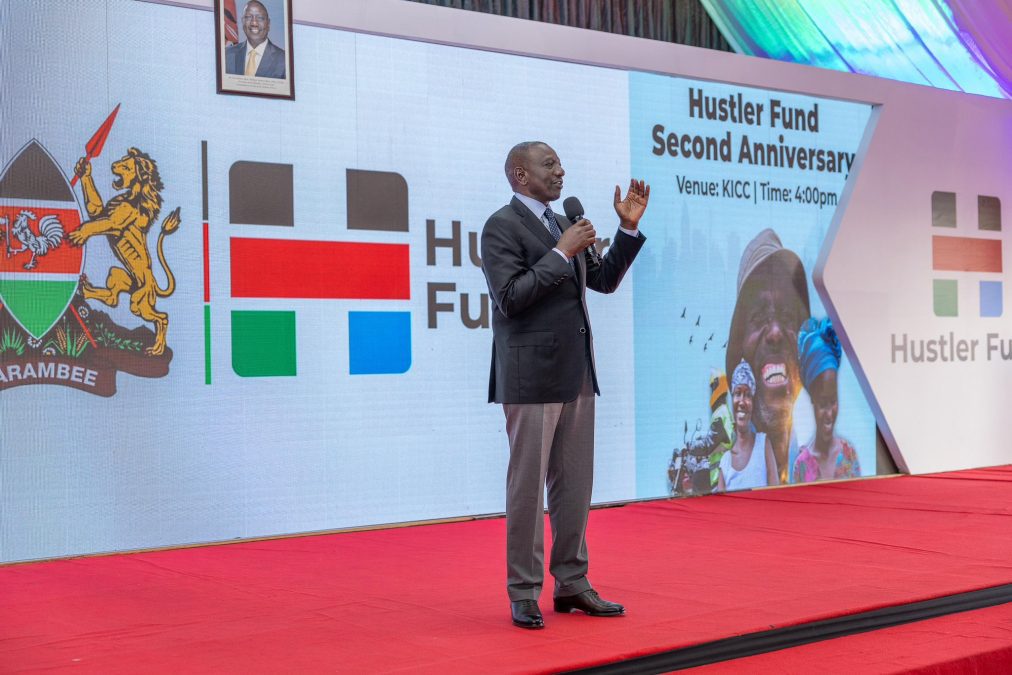
Gakuya warned against a superficial approach where youth are handed cash without clear direction or measure of their business proposals:
“You can’t just wake up and give me 50K and tell me I have just given this money; you need to evaluate. Was he trying to do something or was he just doing nothing?”
Also Watch: Gakuya warns Ruto regime may double borrowing amid fiscal strain
Questions amid a billion-shilling push
The legislator’s remarks follow Ruto’s promise that 100,000 youth would each receive Ksh50,000 in seed capital, with the programme ultimately valued at Ksh5 billion.
The design calls for 70 youth per ward, across Kenya’s 1,450 wards, to benefit in the initial phase.
But challenges over selection, fairness, and accountability have emerged as implementation gets underway. A high-level sensitisation meeting at State House on October 3, 2025, brought together Principal Secretaries, MPs, and county officials to synchronise rollout.
Ruto insists the process will be inclusive and transparent, and that agents at all levels will be engaged to ensure youth in every ward can benefit.
However, Gakuya said the NYOTA programme must translate into grassroots fairness, not token consultations or opaque electronic filters.
“The money is free to the youth. But finally, the taxpayers will bring back money to the World Bank,” he observed.