Advertisement
Everything you need to know about proposed National Infrastructure Fund
28th October, 2025 08:05 PM

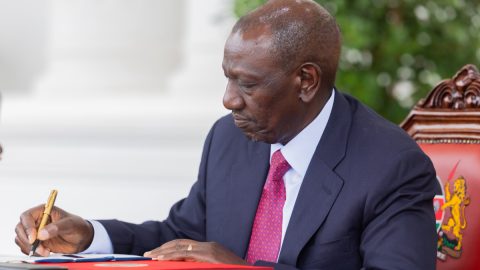
The National Infrastructure Fund is a new financing mechanism proposed by President William Ruto to mobilise large-scale capital for Kenya’s infrastructure expansion.
Unlike past approaches that largely relied on annual budget allocations and heavy borrowing, this fund aims to pool resources from the budget, privatisation proceeds, capital markets, and public-private partnerships (PPPs).
The objective: build thousands of kilometres of roads, expand power generation, improve water/irrigation infrastructure, develop industrial zones and more — in short, accelerate Kenya’s infrastructure to support industrialisation and inclusive growth.
Also watch: Justin Muturi raises alarm over plan to raise Ksh1.5T infrastructure fund.
Here are some of the primary goals set out:
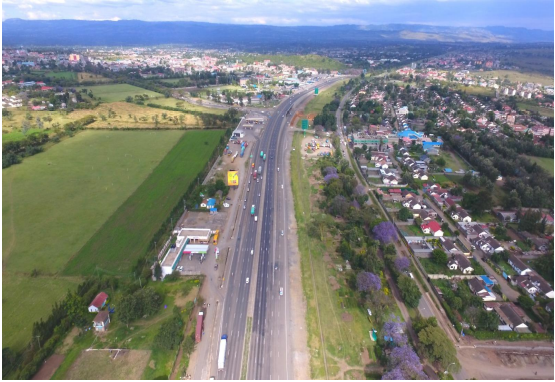
- Road network expansion: The government says it needs about Ksh1.5 trillion to build approximately 10,000 km of new tarmac roads.
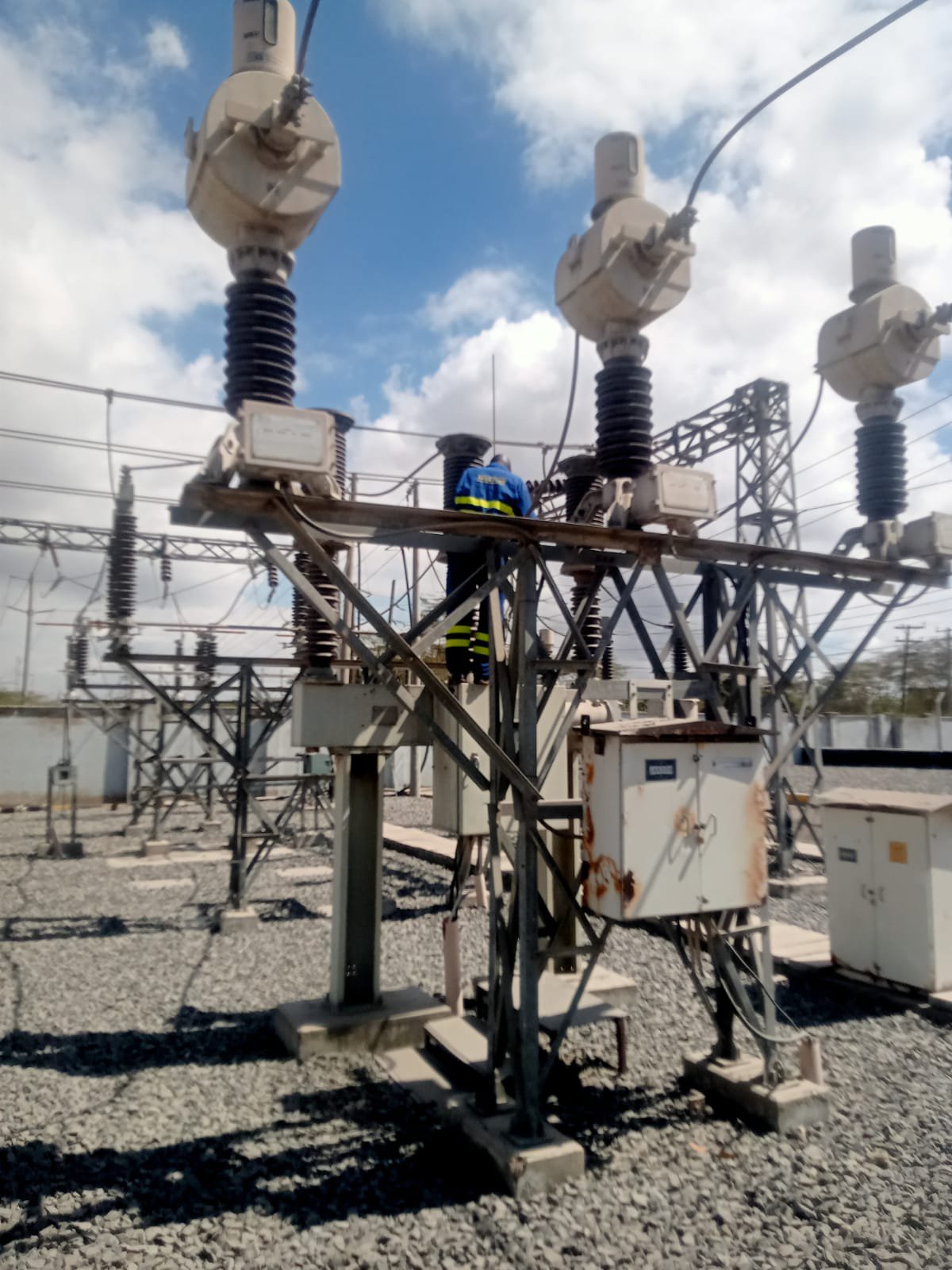
- Power generation and industrial infrastructure: The Fund will support the expansion of Kenya’s power generation capacity (from ~2,300 MW to ~10,000 MW), alongside investments in industrial infrastructure.
- Irrigation, dams and agriculture: Among the priorities are mega-dams, irrigation for millions of acres of land and improving agricultural productivity, linking infrastructure to food security and value addition.
- Modernising transport hubs and logistics: The expansion of highways, dual carriageways, rail extensions, and the modernisation of airports are all mentioned as part of the infrastructure push.
How the National Infrastructure Fund will work
Key financing sources and mechanisms include:
- Budgetary allocations: Government will still allocate funds, but the idea is to move beyond relying on the annual budget only.
- Privatisation proceeds / asset sales: Proceeds from the sale or leasing of state assets (for example, shares in companies) would feed into the Fund.
- Public-Private Partnerships: The fund will leverage PPPs so that the private sector plays a major role in financing, implementing and possibly operating infrastructure.
- Capital markets: Infrastructure bonds or other capital market instruments may be used to attract long-term private investors.
- Legislation and oversight: A law or legislative framework will be required to formally establish the fund. The government has already begun engaging Parliament.
What it means for Kenyans
For ordinary Kenyans, here are some of the anticipated implications:
- Improved connectivity and services: If executed well, the Fund could lead to better roads, electricity, water access and industrial opportunities, especially for rural areas.
- Job creation: Large infrastructure projects typically create jobs, both during construction and in the downstream industries.
- Higher expectations for transparency: with new financing methods, Kenyans will demand accountability and want to see value for money.
- Potential tax or levy implications: If efficiencies do not offset the fund, there may be calls for new levies or user fees to finance projects.
- Long-term economic uplift: Infrastructure is often seen as a foundation for industrial growth, exports, and higher productivity, which could raise living standards over time.