Advertisement
EACC: 83.3% of Kenyans believe war against corruption is headed in wrong direction
05th August, 2025 12:42 PM
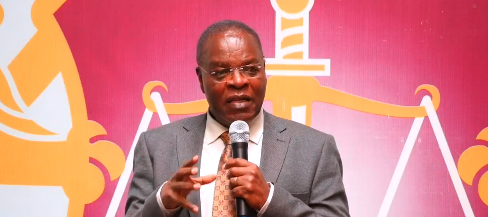
A new report by the Ethics and Anti-Corruption Commission (EACC) has revealed that the majority of Kenyans no longer believe the government is serious about the fight against corruption.
The report, released on Tuesday, August 5, 2025, in Nairobi by EACC boss Bishop David Oginde, shows that 83.3 per cent of Kenyans feel the fight against corruption is going in the wrong direction.
The survey, which covered all 47 counties, aimed to understand how Kenyans see corruption and unethical behaviour in both government and society.
“The findings show a growing lack of trust in the institutions meant to stop corruption,” the report stated.
Most Kenyans say corruption has become worse
According to the data, 67.6 per cent of Kenyans believe corruption and unethical conduct are very high today. This is an increase from 57.3 per cent recorded in the previous 2023 survey.
“This is a sharp rise and a warning signal to leadership at all levels,” Bishop Oginde said while presenting the findings.
The report also notes that people feel corruption is becoming more common in both national and county governments. Many Kenyans said they no longer see any real punishment for corrupt leaders.
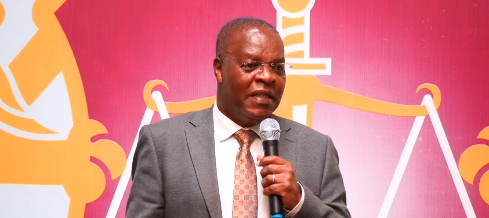
“When thieves walk free and honest people suffer, the public loses hope,” the report stated.
Lack of political will and poor leadership are blamed
The EACC report found that many citizens believe the problem is not the laws but the people in charge.
Most of the respondents said the government has not shown enough commitment to stop corruption. Some felt that leaders were using their power to protect friends and political allies who are accused of stealing public funds.
“There is a strong feeling that some top officials are above the law,” the report stated.
In the public’s view, even when suspects are arrested, the court process is slow and unclear, and most cases end without real punishment.
Kenyans want firm action and honesty from leaders
The report urges the government to rebuild public trust by taking firm action against corruption. It also asks leaders to show honesty and set good examples.
“We must walk the talk if we want Kenyans to believe again,” Bishop Oginde said.
He added that EACC will continue to do its part but called for support from other institutions, including the judiciary, police, and the office of the Director of Public Prosecutions.
“Corruption is a cancer, and if we do not treat it seriously, it will destroy our country,” the EACC boss warned.
The report ended by urging citizens to also play their role by reporting cases of corruption and refusing to give or receive bribes.