Advertisement
Another typhoon batters the Philippines, forcing mass evacuations
10th November, 2025 06:45 AM

A second typhoon in a week has made landfall in the Philippines and killed at least two people, with nearly one million residents fleeing the looming destructive winds and life-threatening storm surges.
Fung-wong, known locally as Uwan, follows on the heels of Typhoon Kalmaegi, which killed almost 200 people in the central part of the archipelago nation, as well as five people in Vietnam.
Also Watch: Many dead as Typhoon Rai slams into the Philippines
The eye of the typhoon made landfall on Sunday night, barrelling over the coastal municipality of Dinalungan, in the northeastern Aurora province, according to the country’s weather service.
Civil defense reported that one person drowned in Catanduanes province and firefighters recovered the body of a woman trapped under debris of a collapsed home in Catbalogan City, according to Reuters.
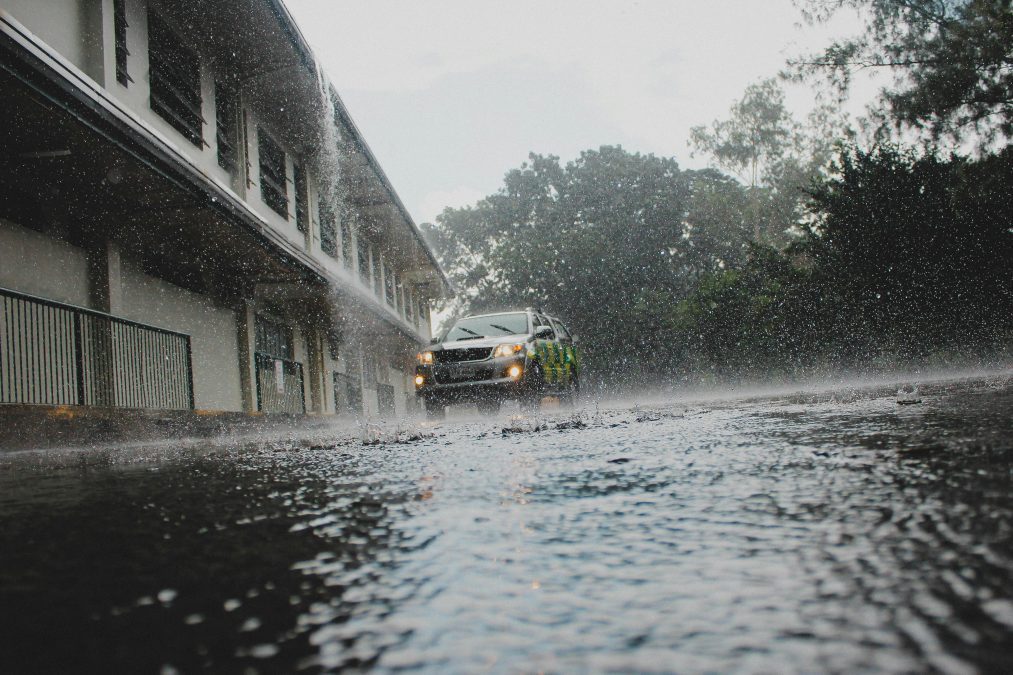
Almost 920,000 residents were evacuated from 11 regions on Sunday, November 9, 2025, according to the country’s Presidential Communications Office.
“People are a little shellshocked,” Butch Meily, president of the Philippine Disaster Resilience Foundation (PDRF), told CNN, noting this marks the country’s fourth major typhoon, in addition to two earthquakes within the past seven weeks.
“We’re getting ready, but this is starting to test our level of experience.”
Fung-wong is forecast to strike eastern and northern areas, including Luzon – the nation’s most populous island, home to Manila – as well as the Visayas islands and Siargao, known as the country’s surfing capital.
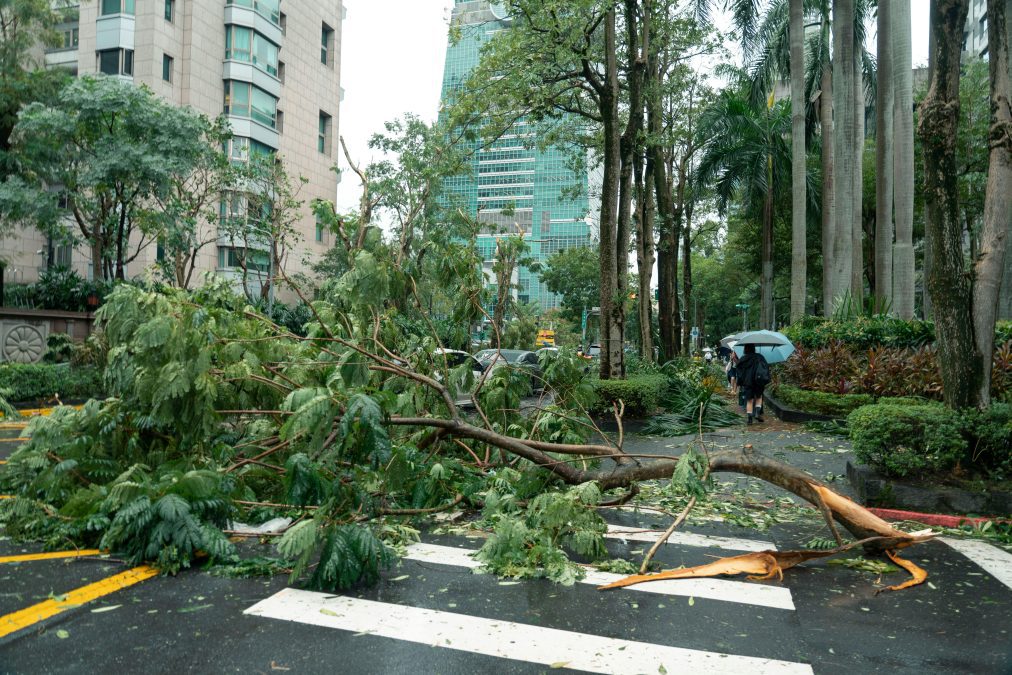
Its destructive winds have already caused damage in Catanduanes province on its approach, according to Meily.
“We’re in red alert,” the Philippines’ Social Welfare Secretary, Rex Gatchalian, told CNN Newsroom.
Thousands of families are sheltering in gymnasiums, theaters, and government facilities, and the government is providing food and essentials, Gatchalian said.
“For families who are still in their homes, they’re being forcibly evacuated already,” he added.
Recovery efforts have been interrupted in Kalmaegi-stricken Cebu and Davao to the south, to concentrate all available resources on preparing for Fung-wong, including a 24-hour operation center near the capital Manila, said Meily of the PDRF, a major private-sector coordinator for disaster response.
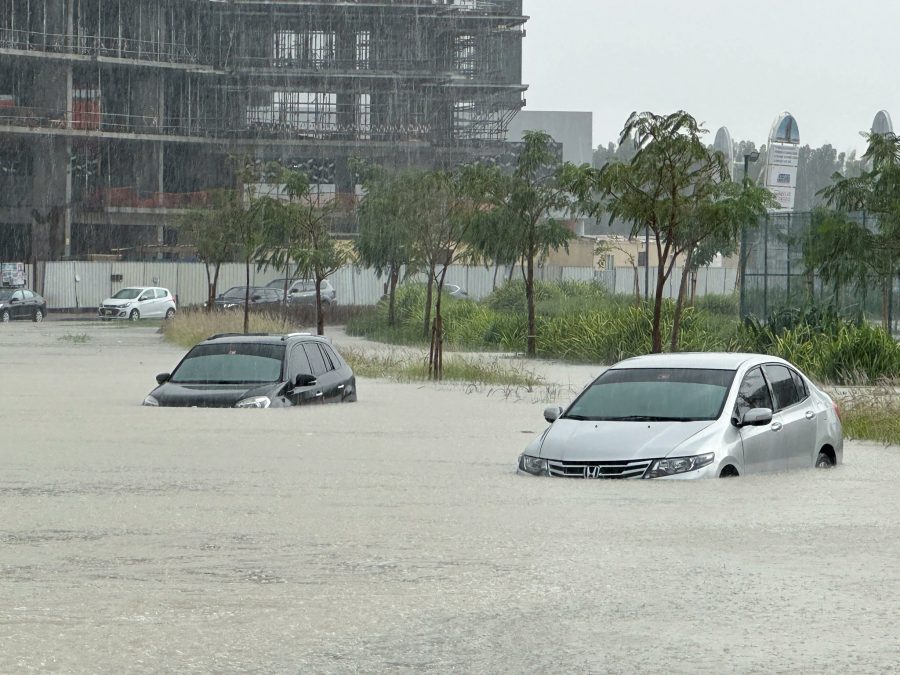
“But our funds are starting to get exhausted because of the number of emergencies,” he added.
The country’s meteorological agency, PAGASA, has upgraded Fung-wong to a super typhoon on its intensity scale, recording maximum wind speeds of 185 kph (115 mph) and gusts of 230 kph (143 mph). However, it remains below the super-typhoon threshold on more widely used scales like that of the US Joint Typhoon Warning Center, which requires winds exceeding 240 kph (150 mph).
The typhoon’s massive circulation, spanning 1,800 km (1118 miles), is enough to cover the entire country, exceeding Typhoon Kalmaegi, PAGASA weather specialist Benison Estareja told CNN.
“It’s much stronger, but the casualties and the damages all depend on the preparation of the Philippine government. And we’ve actually learned from the previous Typhoon Kalmaegi as to how we can prepare for the incoming super typhoon,” he said.