Advertisement
10 processed foods that could be slowly damaging your health
25th June, 2026 11:11 PM
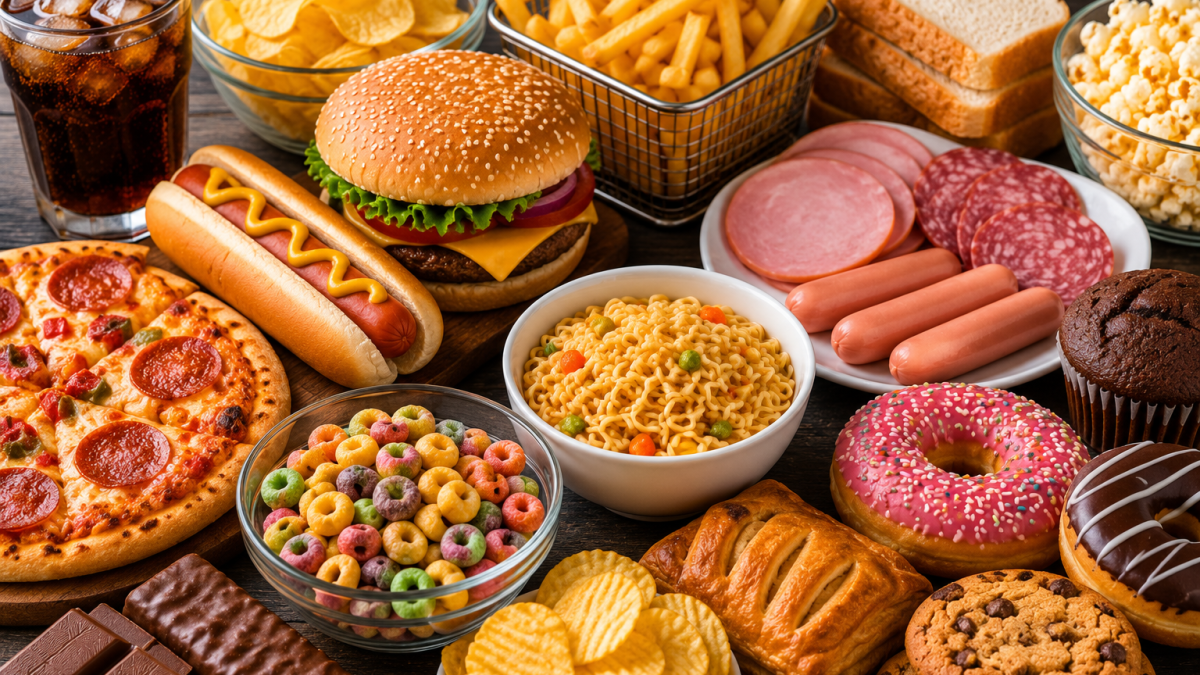
Modern life has made processed foods almost impossible to avoid. From breakfast cereals and sausages to sugary drinks and packaged snacks, these products are convenient, affordable and readily available.
Regularly consuming highly processed foods can increase the risk of obesity, heart disease, diabetes, high blood pressure and certain cancers.
While enjoying these foods occasionally is unlikely to cause significant harm, making them a daily part of your diet could have long-term consequences.
Here are 10 processed foods that nutritionists say you should consume in moderation.
1. Processed meats
Sausages, bacon, hot dogs, ham and salami are among the most popular processed meats.
These products often contain high levels of sodium, preservatives and nitrates, which have been linked to an increased risk of heart disease and certain types of cancer.
Studies have consistently shown that frequent consumption of processed meat may raise the risk of colorectal cancer.
2. Soft drinks
Sodas and other sugar-sweetened beverages are among the biggest contributors to excessive sugar intake.
A single bottle can contain several teaspoons of added sugar, increasing the risk of obesity, Type 2 diabetes, tooth decay and fatty liver disease.
Regular consumption may also contribute to inflammation and cardiovascular problems.
3. Instant noodles
Instant noodles are cheap, convenient and popular among students and busy professionals.
The downside is that many varieties are loaded with sodium, unhealthy fats and artificial additives while offering very little nutritional value.
Excessive consumption can contribute to high blood pressure and poor dietary balance.
4. Packaged potato crisps
Potato crisps and similar snack foods are often high in salt, unhealthy fats and calories.
Because they are highly processed and easy to overeat, they can contribute to weight gain and increase the risk of heart disease over time.
Many also contain flavour enhancers and preservatives that offer no nutritional benefit.
5. Sugary breakfast cereals
Many cereals marketed as healthy breakfast options contain surprisingly high amounts of added sugar.
Starting your day with excessive sugar can trigger blood sugar spikes, energy crashes and increased hunger later in the day.
Experts recommend choosing cereals with high fibre content and minimal added sugar.
6. Processed cheese products
While natural cheese can be part of a balanced diet, highly processed cheese slices and spreads often contain preservatives, sodium and artificial ingredients.
Regular consumption may contribute to excessive salt intake and increased cardiovascular risk.
7. Baked foods
Doughnuts, cakes, cookies and pastries sold in supermarkets often contain refined flour, sugar and unhealthy fats.
These products provide plenty of calories but very little nutritional value.
Frequent consumption is associated with obesity, diabetes and metabolic disorders.
8. Energy drinks
Energy drinks have become increasingly popular among young people seeking a quick boost.
Many contain extremely high levels of sugar and caffeine, which can increase heart rate, blood pressure and anxiety levels.
Excessive consumption has also been linked to sleep disturbances and cardiovascular complications.
9. Processed frozen meals
Ready-to-eat frozen meals save time but often contain large amounts of sodium, preservatives and saturated fats.
Some meals provide more than half of the recommended daily sodium intake in a single serving.
Nutritionists advise checking labels carefully and choosing options with lower salt content.
10. Yoghurts
Many flavoured yoghurts contain nearly as much sugar as soft drinks.
While yoghurt itself can be nutritious, excessive added sugar may reduce its health benefits and contribute to weight gain and elevated blood sugar levels.
Choosing plain yoghurt and adding fresh fruit is generally considered a healthier alternative.
Protecting yourself
Health experts emphasize that the problem is not necessarily eating these foods occasionally, but consuming them regularly and in large quantities.
To improve your diet:
- Choose fresh fruits and vegetables whenever possible.
- Read food labels carefully.
- Limit foods with long ingredient lists and unfamiliar additives.
- Drink more water instead of sugary beverages.
- Prepare home-cooked meals more often.
- Opt for whole grains instead of refined carbohydrates.
Small changes made consistently can significantly improve long-term health and reduce the risk of chronic diseases.
Author
Francis Muli
Francis Muli is an editor and passionate digital journalist with extensive experience in crafting compelling stories across various platforms. His major focus is in business, politics and current affairs. He has a keen eye for detail and a commitment to uncovering the truth. He has contributed to leading publications across the country. When not chasing stories, you can find Muli exploring new technologies, attending local events, or reading fiction. Connect with Francis Muli on X @FMuliKE and Facebook (Francis Muli) to follow his latest stories and insights.
View all posts by Francis Muli