Advertisement
6 tips for making the best coffee at home
24th June, 2026 04:26 PM
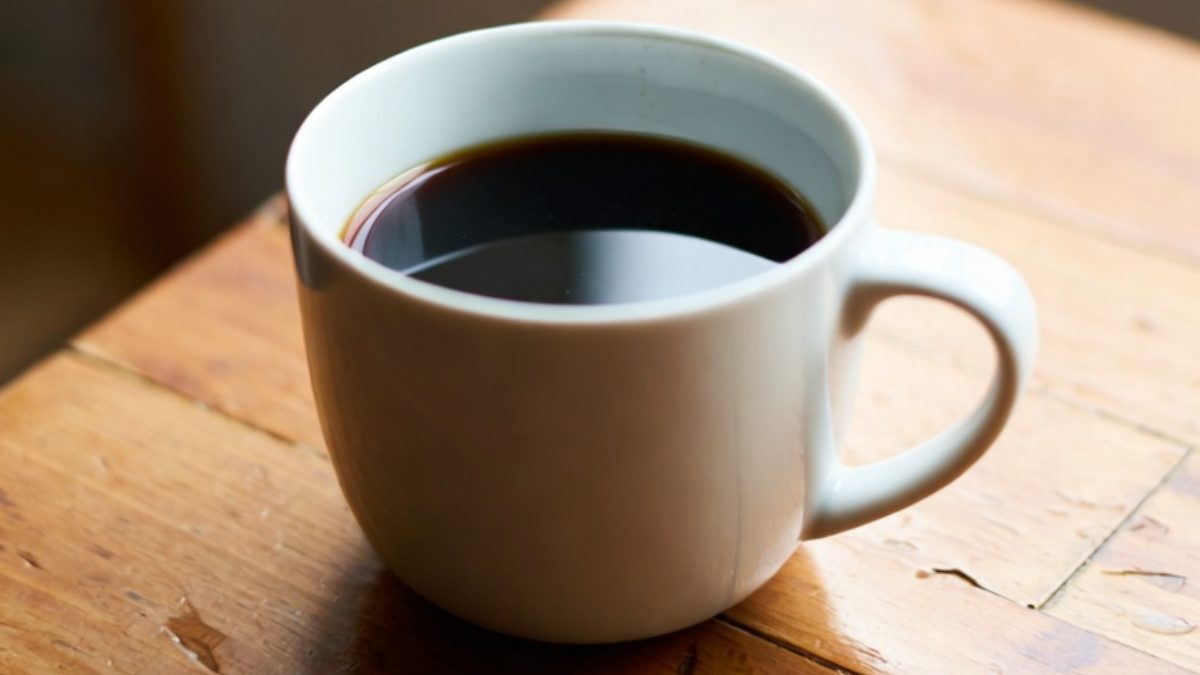
For many people, coffee is more than just a morning pick-me-up; it is a daily ritual.
While coffee shops offer expertly crafted drinks, making a delicious cup at home is easier than you might think. The secret lies in paying attention to a few key details, from the quality of your beans to your brewing technique.
Buy fresh coffee beans
The best coffee starts with choosing the best beans. Avoid inexpensive bulk options sitting for weeks on shelves at the supermarket.
Instead, try to buy fresh beans from trusted, quality-conscious providers to guarantee you’re brewing the most flavorful coffee available.
Light and oxygen exposure deteriorate coffee quality, so make sure you buy beans professionally packaged in light-blocking, vacuum-sealed bags.
Choose high-quality coffee
Flavorful Arabica is generally considered the better quality bean, while Robusta offers higher caffeine content but a harsher finish. Great blends harness the best characteristics of both.
Different roasting methods will affect the taste, too. To pick the best coffee for you, research flavour preferences.
Choose premium beans and ground coffee from trusted brands, and your coffee drinkers will keep coming back for more.
Grind your own beans
Coffee quality starts to diminish almost immediately after grinding.
The best-tasting coffee drinks are crafted from beans ground right before brewing. Use a quality burr grinder to control the particle size.
Also, choose the grind size based on your desired drink coarse for French Press, medium for pour-overs and fine for espresso.
Well, the point to note here is that the finer ground coffee yields the most flavour.
Store coffee properly
The best way to guarantee freshness is to choose prepackaged coffee solutions measured for your machine and specific brew needs whether it’s a single cup or brew for the entire office’s afternoon coffee break.
Contrary to popular belief, you should never freeze or refrigerate ground coffee. Store them in an opaque, airtight container at a cool room temperature to keep coffee beans and grounds fresh after opening.
Check your water quality
Every cup of coffee starts with two components coffee beans and water. While the beans are important, water quality is often overlooked and affects the flavor outcome more than most people realize.
Chlorinated, softened and unfiltered tap water can ruin an otherwise fine brew, and distilled water strips away minerals necessary for good taste.
Coffee connoisseurs only use bottled spring water and filtered water.
Use the right water temperature
If you have ever brewed top-notch beans and experienced a bitter aftertaste, the water temperature was the likely culprit.
This is because too-hot water extracts bitter compounds; most coffees should be brewed between 195 and 205 degrees Fahrenheit.
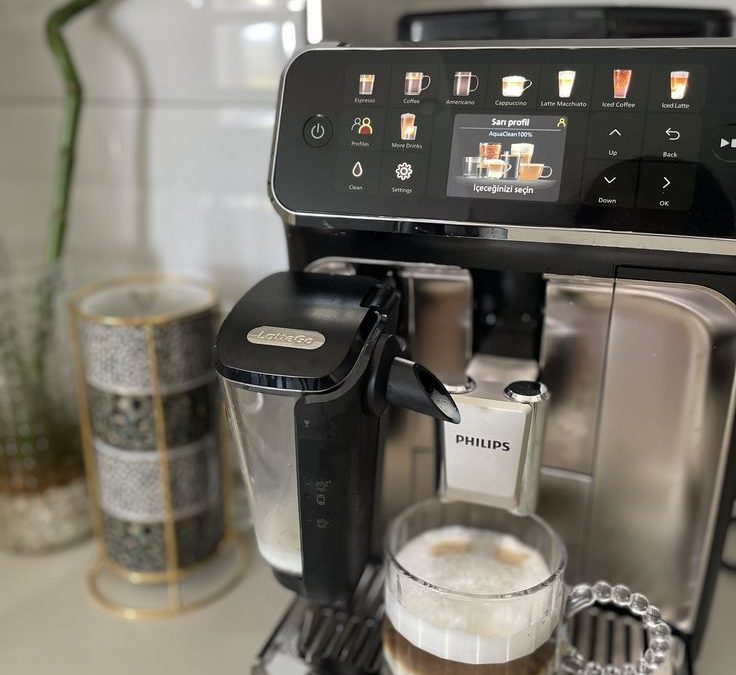
Good coffee machines can automatically regulate temperature, but if you’re manually pouring, let the boiling water cool to the appropriate temperature before adding it.