FIFA defends controversial hydration breaks at 2026 World Cup
By Joel Masibo, June 24, 2026The introduction of mandatory hydration breaks at every match during the 2026 FIFA World Cup has sparked debate among football fans and pundits, but FIFA President Gianni Infantino has defended the move, insisting it is designed to protect players and maintain fairness throughout the tournament.
For the first time in World Cup history, hydration breaks have been implemented in all matches. The pauses occur in the 22nd and 67th minutes of each game, lasting three minutes each. The time lost is subsequently added to stoppage time at the end of each half.
According to FIFA, the primary motivation behind the decision is the extreme weather conditions expected during the expanded tournament, which is being hosted across the United States, Canada and Mexico.
Hydration breaks defence
“The main reason is the heat, but we also have to understand that in a competition like the (FIFA) World Cup, played over 39 days, with teams potentially playing eight matches in those 39 days, having a moment to rest is extremely important,” the FIFA President explained.
The issue has divided opinion, with some critics arguing that the breaks disrupt the flow of matches and provide coaches with additional opportunities to alter tactics. However, Infantino said the policy was introduced to ensure that all teams compete under identical conditions regardless of the weather at different venues.
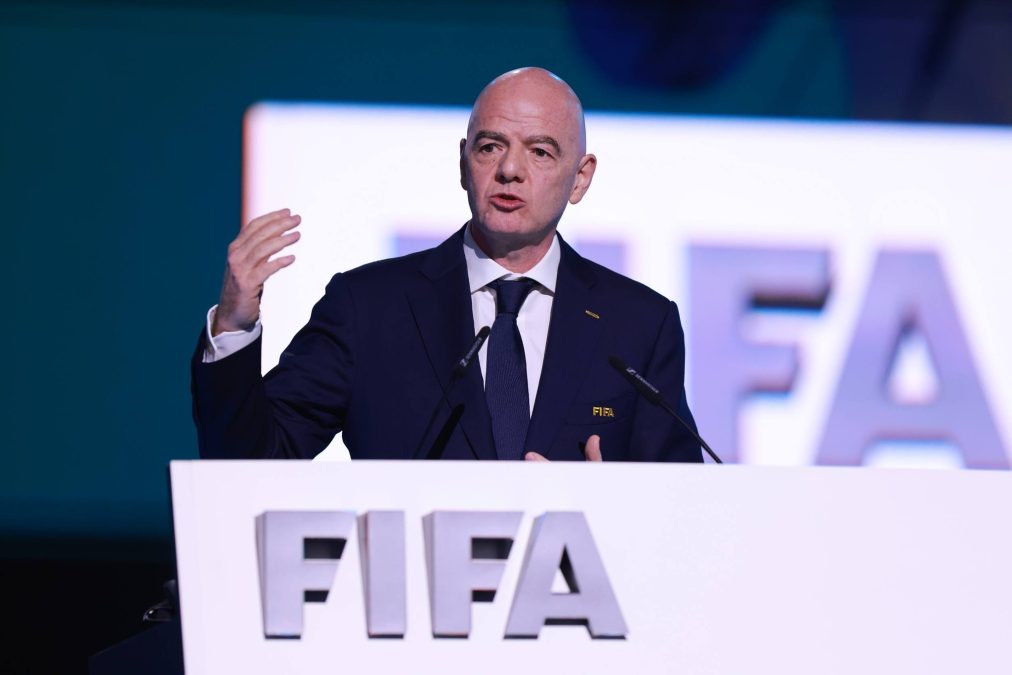
“What matters even more to us is ensuring that all teams, in every match, are playing under the same conditions. And it’s very difficult to accept that a coach might have the opportunity to influence a match by making adjustments simply because it’s hotter, while in another match, where the temperature is slightly lower, the same coach doesn’t have the same opportunity. We want to ensure equal conditions for everyone, and that’s why these breaks are implemented in every match.”
The FIFA chief also dismissed suggestions that the organization stands to benefit commercially from the additional stoppages.
Another point that needed clarifying, he said, was that FIFA gains “absolutely nothing” from the breaks. “There is no additional revenue for FIFA, as all commercial agreements were signed well in advance. So, this is not a financial issue for us. For us, it is purely a sporting matter.”
Demanding schedule
With the 2026 tournament featuring an expanded format and a demanding schedule, FIFA believes the hydration intervals are helping players maintain high performance levels deep into matches.
Infantino suggested that the breaks may even be contributing to the exciting and energetic football witnessed so far during the competition.
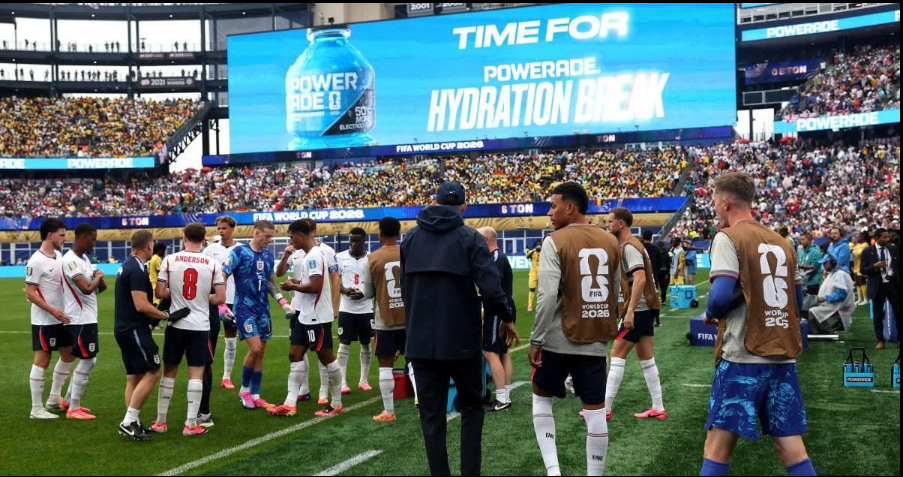
“Until the last seconds of the match, players attack, and so on,” Infantino said. “And maybe – maybe not – but maybe it’s also thanks to this little break that the players have, and after they can come back on the field and show what they can do.”
As the World Cup progresses, the hydration-break policy is likely to remain a talking point among supporters and analysts. Nevertheless, FIFA maintains that player welfare, competitive balance and the overall quality of matches remain the driving forces behind the unprecedented measure.