Advertisement
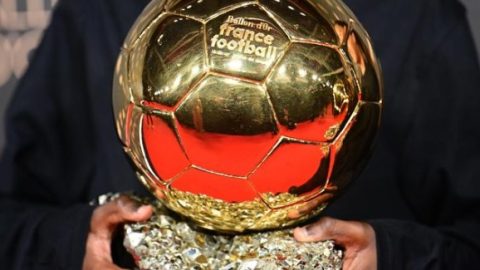
Do you know how the World Cup trophy is made? This is how
19th July, 2026 07:03 PM
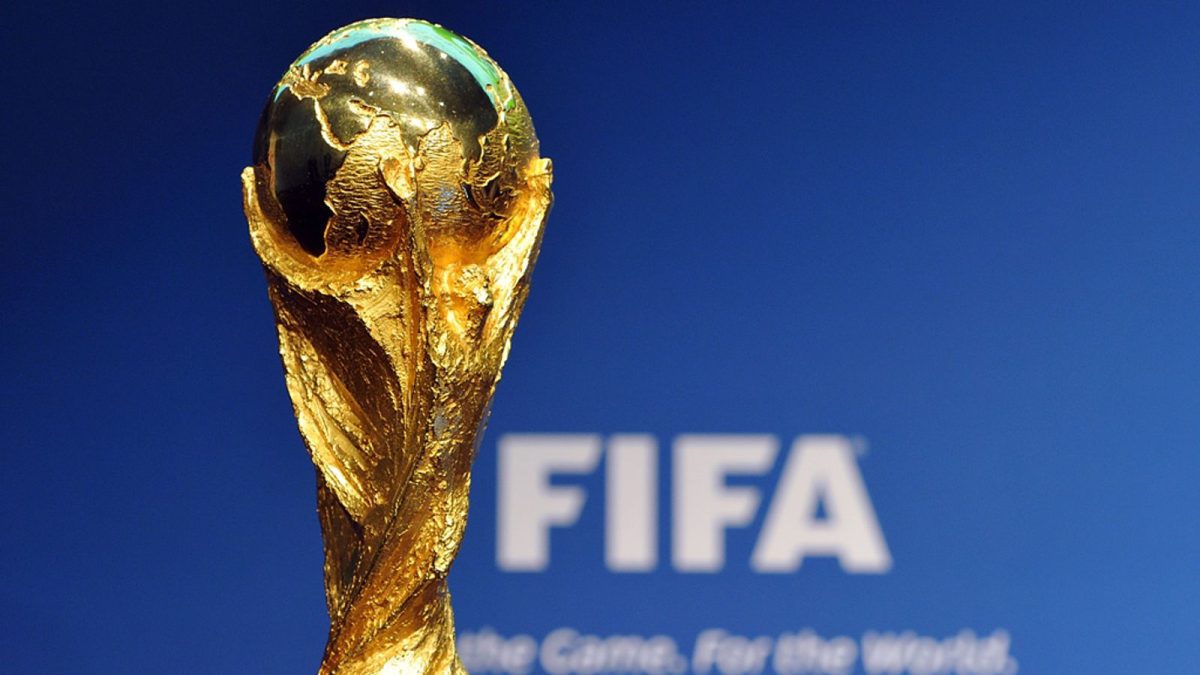
Tonight, either Spain or Argentina will lift the most famous prize in football at MetLife Stadium in New Jersey. As millions of fans watch the World Cup final on July 19, 2026, the focus is entirely on the game.
Yet, the physical trophy itself is a fascinating piece of engineering. The cold gold surface and the actual weight of the object make holding it feel like the ultimate reward.
The gold, the weight, and the Italian design
The trophy stands exactly 36.5 centimetres tall and weighs 6.175 kilograms. It is made of 18-carat gold, which means it is 75 per cent pure gold.
Interestingly, the trophy is hollow. If it were solid gold all the way through, it would weigh around 70 kilograms. That would make it far too heavy for players to lift over their heads during celebrations.
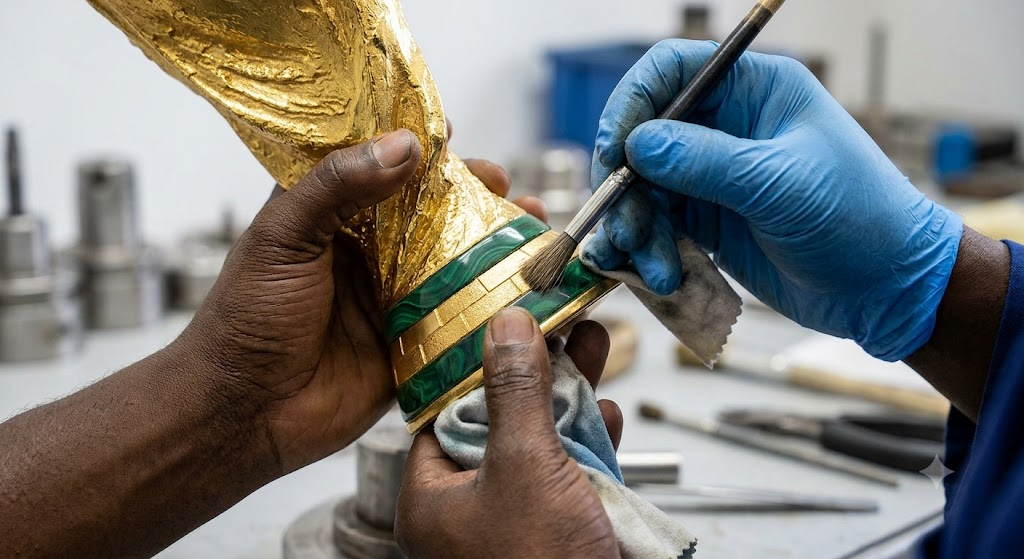
The green rings at the bottom are made of malachite, a mineral that adds a beautiful colour contrast to the gold.
An Italian sculptor named Silvio Gazzaniga designed this look in 1971. He won a global competition after Brazil kept the old Jules Rimet Cup permanently in 1970. Gazzaniga shaped the trophy to show two players rising up to hold the Earth.
When FIFA first commissioned it for the 1974 tournament, the materials and production cost around USD 9,390. Today, the value of its raw gold alone is over USD700,000, while the entire trophy is insured for USD20 million.
High security and the replica system
Because it is so valuable, the trophy is kept under tight security. FIFA rules are strict: only World Cup winners, coaches, and heads of state can touch the real trophy with their bare hands.
Even the winning team tonight will not go home with it. Right after the celebrations on the pitch, FIFA officials take the original trophy back to a secure vault at the FIFA Museum in Zurich.
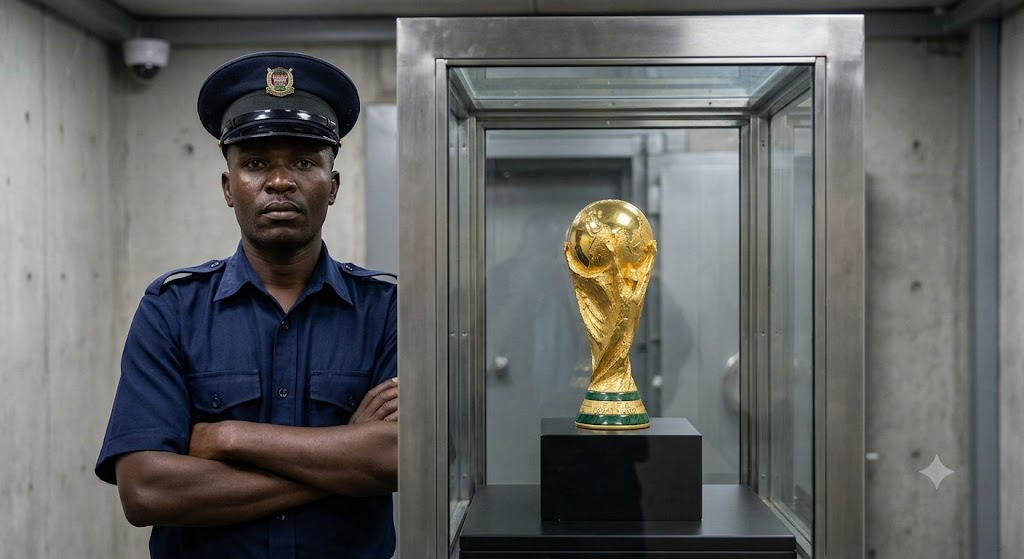
The champions permanently receive a gold-plated bronze copy, known as the World Cup Winners’ Trophy.
This effort to build and protect a physical object shows how much humans value physical symbols. Objects often speak for shared culture.
Writing for the art journal Kunstlicht, historian Jules David Prown points out that objects “reflect, consciously or unconsciously, directly or indirectly, the beliefs of individuals who made, commissioned, purchased, or used them, and by extension the beliefs of the larger society to which they belonged”.
When the winners touch the cold, heavy gold tonight, they are touching decades of football history made real.