Why artificial football pitches are doing more harm than good in Kenya’s talent development
By Joel Masibo, September 8, 2026Artificial football pitches have become common across the country, especially in residential estates traditionally referred to as talent hubs.
However, amid the trend, the difficult question Kenyans should ask themselves is: Are these mushrooming synthetic pitches encouraging talent development or killing the same football dreams at a tender age?
The debate comes at the moment when proper sports infrastructure is crucial as Kenya alongside Tanzania and Uganda are preparing to stage the 2027 Africa Cup of Nations (AFCON 2027).
Former Harambee Stars international Abdulaziz Beneah has voiced concern about the increasing preference for artificial playing surfaces, warning that the trend could hurt grassroots football while exposing players to avoidable health risks.
The former national team player believes the rapid adoption of synthetic pitches is being driven largely by convenience and commercial interests, rather than the long-term needs of players and the development of the sport.
Beneah, who heads Dytikos Sports Consultants, argues that natural grass fields remain vital, particularly for young footballers who depend on freely available community grounds to develop their abilities.
“In many local communities, young players often rely on open natural fields to hone their skills. These fields are free, accessible, and an essential platform for nurturing raw talent,” Beneah disclosed to K24 Sports.
He is particularly concerned that the conversion of community grounds into artificial pitches could make football less accessible to children from low-income backgrounds.
Artificial turf and access to football
Across various communities, the emergence of synthetic pitches has increasingly been accompanied by commercialisation, with privately operated facilities charging players and teams to use them.
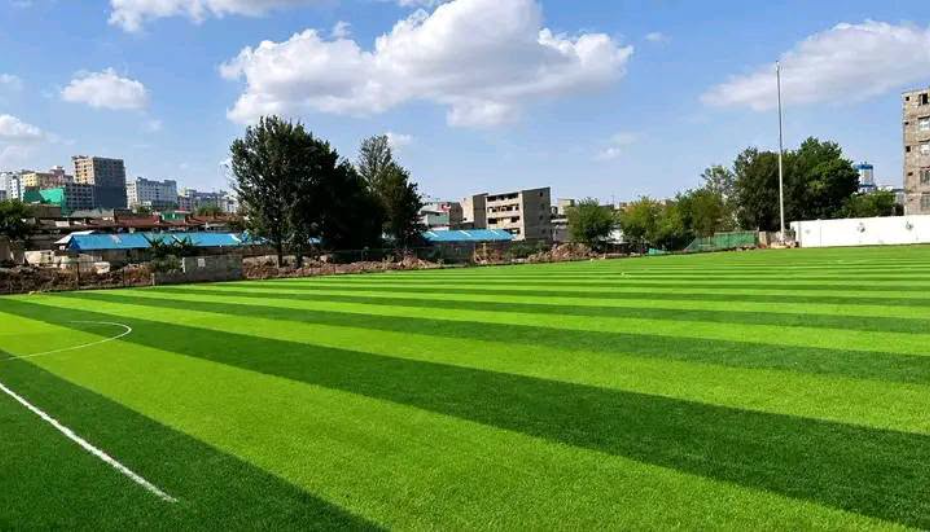
Beneah believes this model could create a financial barrier for talented youngsters who cannot afford regular pitch fees.
“The beauty of football is that it’s a universal sport. You don’t need much to start playing, just a ball and some space. But with these artificial pitches, the game becomes less inclusive, and those without financial resources are left behind,” Beneah added.
He argues that football’s grassroots structure depends heavily on open and affordable playing spaces, which give aspiring players the chance to practise regularly without worrying about the cost of accessing a facility.
Injury concerns
Beneah has also questioned the impact synthetic surfaces could have on player welfare, pointing to what he believes is an increase in injuries associated with artificial pitches.
“We’re seeing more players sustain injuries on these synthetic surfaces.”
The concerns centre on the harder nature of artificial turf compared with well-maintained natural grass. The increased impact on joints could contribute to problems involving areas such as the knees and ankles, potentially affecting players over the long term.
For professional footballers, whose careers depend heavily on their physical condition, recurring injuries can have serious consequences and may even shorten their playing careers.
There are also concerns surrounding the materials used in some artificial surfaces. Rubber infill and other synthetic components can come into contact with players’ skin, particularly when they slide or fall, potentially resulting in irritation or rashes.
Players may also be exposed to dust and small particles generated from the surface during matches and training. Beneah believes these concerns deserve greater consideration as the country expands its use of synthetic football facilities.
Call for investment in natural grass
Despite his reservations about artificial pitches, Beneah recognises the importance of improving football infrastructure across the country.
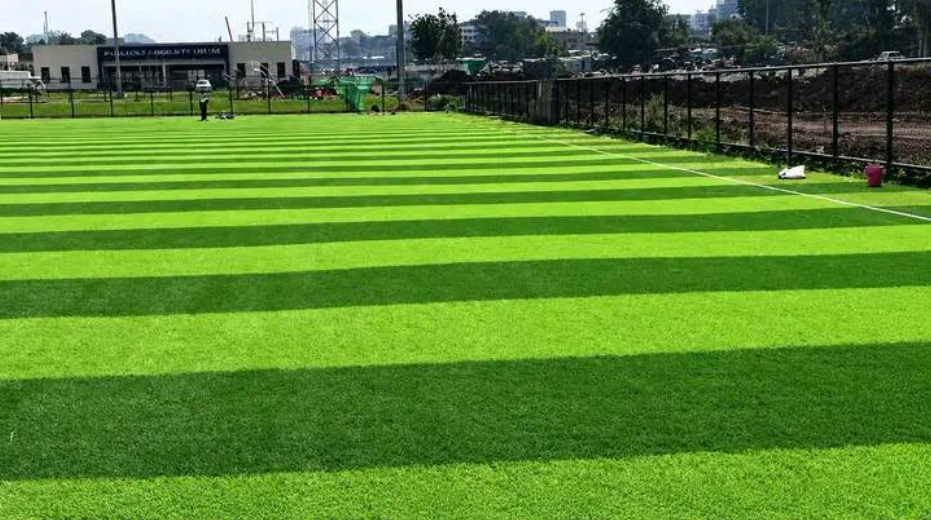
The Makadara Junior League Soccer Academy and Hakati FC head coach, however, believes modernisation should not come at the expense of accessibility, player welfare and grassroots development.
“We need to find ways to maintain and improve our natural pitches rather than rushing to install artificial ones everywhere,” Beanah adds.
He advocates for greater investment in the upkeep of existing natural grounds, arguing that properly maintained grass pitches can provide players with suitable and affordable places to train and compete.
“Natural grass has been the foundation of football for generations, and we need to preserve it for the sake of the game’s future,” he concludes.
With artificial pitches becoming increasingly common, Beneah maintains that the discussion should go beyond the initial cost and convenience of installing synthetic surfaces.
For him, the bigger question is whether the long-term impact on accessibility, grassroots talent development and player welfare is being adequately considered before natural fields are replaced.