Advertisement
Hoima, Akii Bua stadiums cement Uganda’s sports edge as Kenya plays catch-up
05th February, 2026 12:28 AM
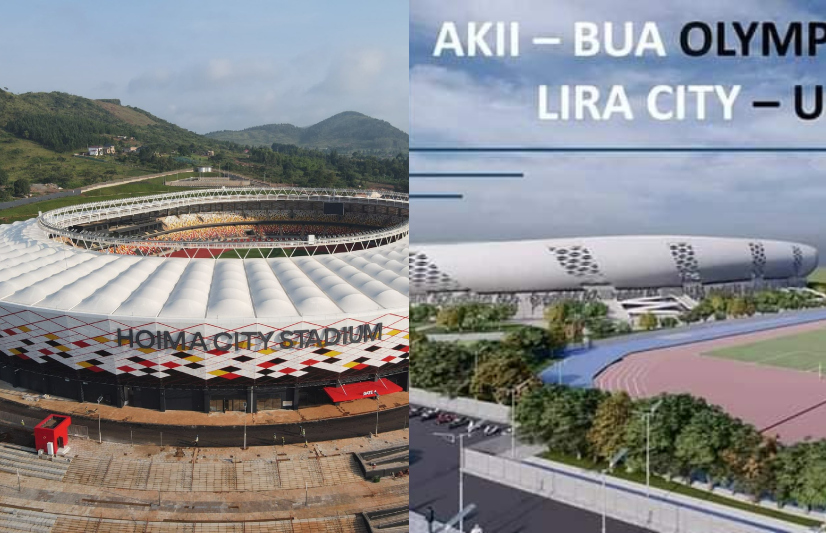
The regional race for sporting supremacy is being won far away from the bright lights of the capital cities – but only if you live in Uganda or Tanzania.
As the countdown to the 2027 Africa Cup of Nations (AFCON) intensifies, Kenya is facing a scathing infrastructure reality check.
While neighbours Uganda and Tanzania are successfully decentralising sports development, the Kenyan government stands accused of a ‘short-sighted’ obsession with Nairobi that has left the rest of the country in a sporting wilderness.
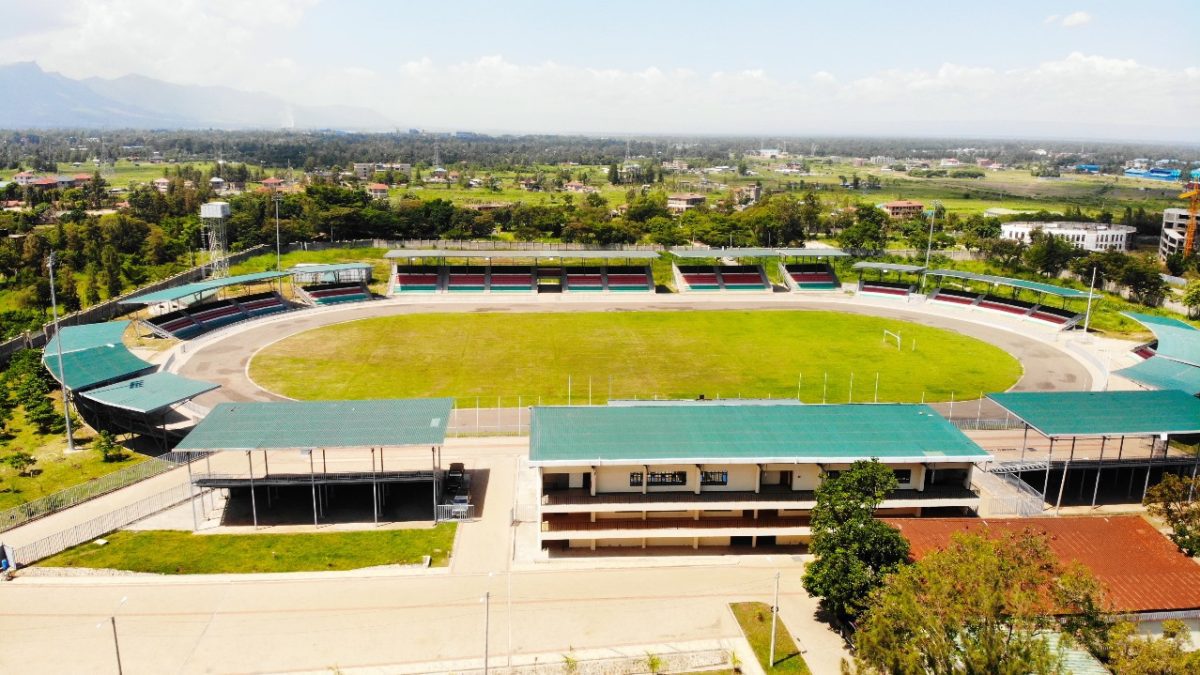
While Uganda and Tanzania are building world-class stadiums away from their capital cities, Kenya is busy building ‘vibanda’ across counties and calling them ‘international stadiums’ – as is the case with Jomo Kenyatta International Stadium in Mamboleo, Kisumu.
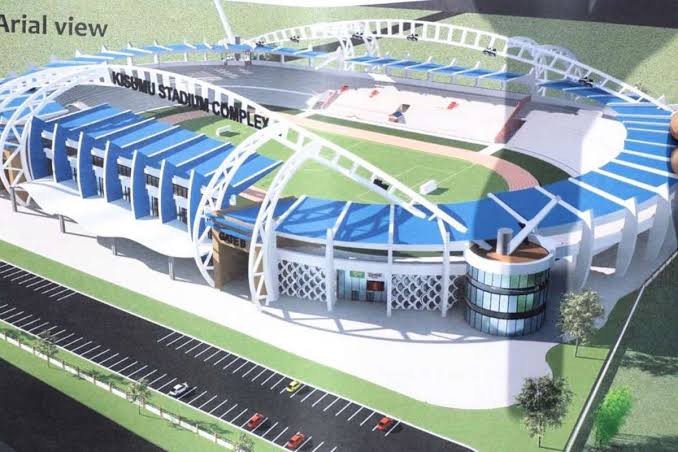
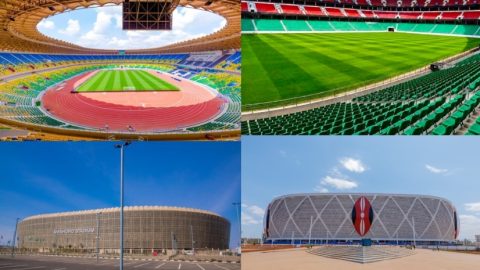
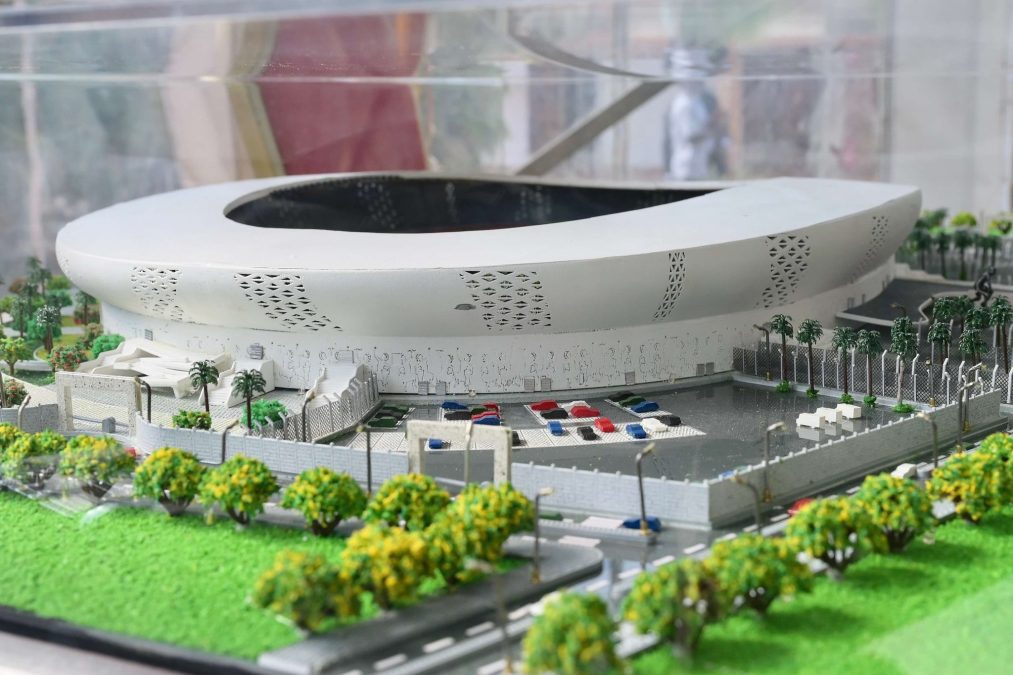
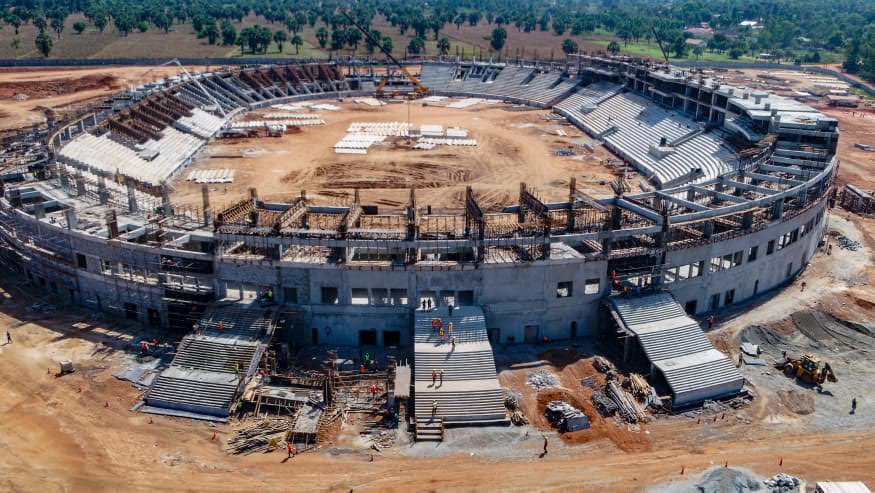
In a move that has stunned regional observers, Uganda has unveiled the Ksh16.8 billion 20,000-seat Hoima City stadium [constructed by Turkish firm Summa International Construction Company Inc] in the west of the country and the Ksh16 billion 20,000-seat Akii Bua Stadium [constructed by Egyptian firm SAMCO National Construction Company] in the northern city of Lira.
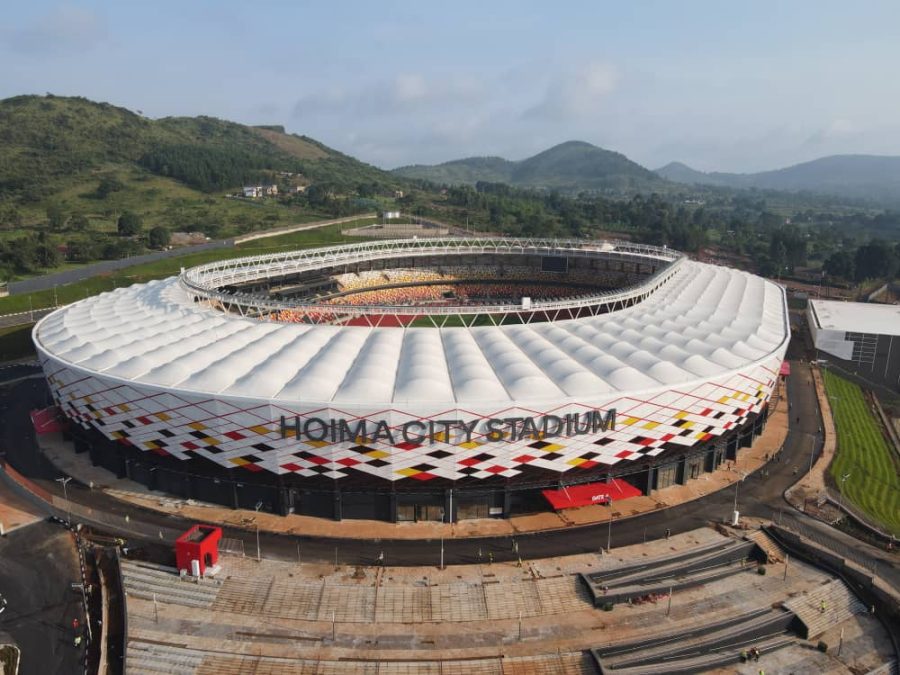
Despite Hoima and Lira being ‘lesser’ cities compared to Kenya’s major hubs, they now boast facilities that dwarf anything found in Mombasa, Kisumu, Nakuru or Eldoret.
A nation unbalanced
The numbers tell a damning story.
Kenya is the only East African country among the three AFCON hosts that has failed to spread its sports infrastructure.
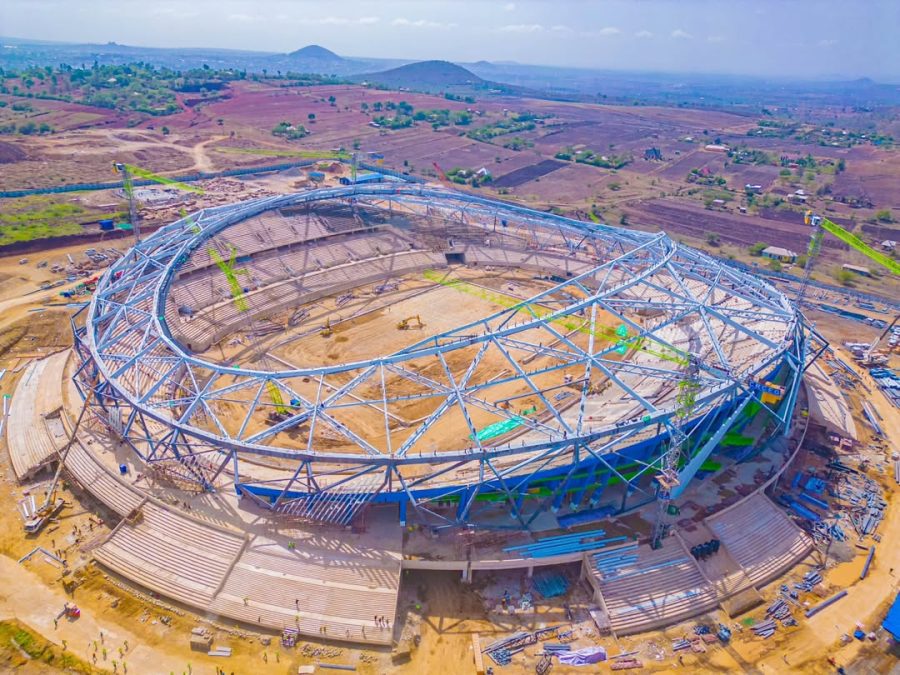
In Tanzania, the Ksh14.4 billion 30,000-seat Samia Suluhu Hassan Stadium [constructed by China Railway Construction Engineering Group (CRCEG)] is rising in Arusha – a state-of-the-art facility that ensures the tournament is a national, rather than a local, event.
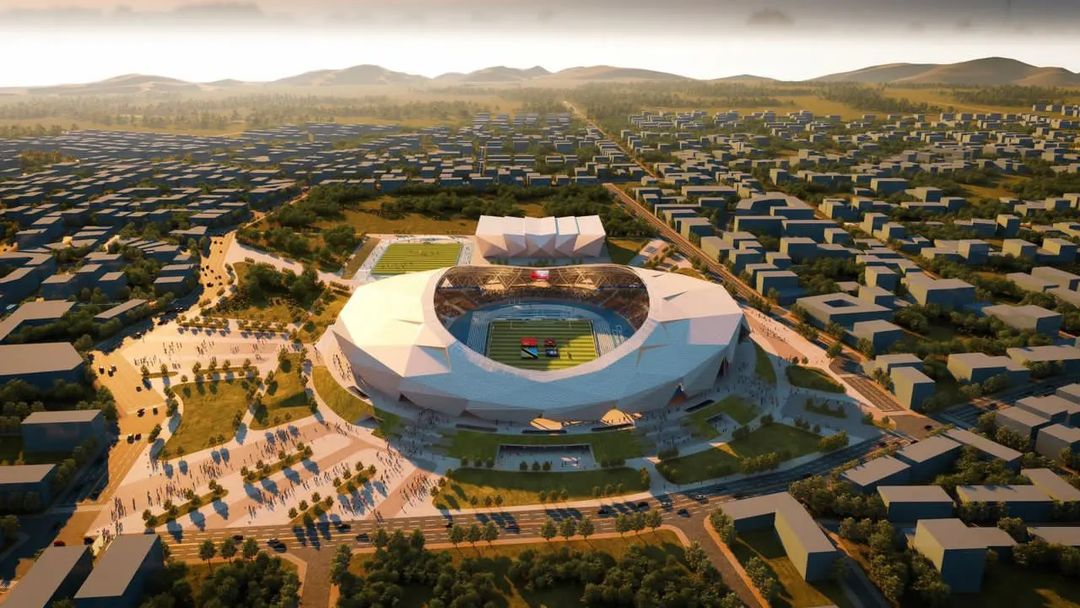
Meanwhile, Uganda will host matches in Kampala and Hoima, effectively bringing the beautiful game to its rural heartlands.
Kenya, by contrast, can only host AFCON matches in Nairobi.
Critics argue this is a monumental missed opportunity to boost the economies of cities like Kisumu, which produces the country’s finest footballers, and Eldoret, the home of the world’s most elite marathoners.
Neither Kisumu or Eldoret currently possesses a stadium capable of hosting a FIFA-sanctioned match.
The Talanta stadium blunder
Fury is mounting over the decision to build the brand new Ksh44.7 billion 60,000-seat Talanta Sports City [now the Raila Odinga Stadium – constructed by China Road and Bridge Corporation (CRBC) ]in the capital.
Analysts point out that Nairobi already possessed Nyayo and Kasarani, which could have been upgraded to international standards – much like Rwanda’s masterclass renovation of the Amahoro Stadium.
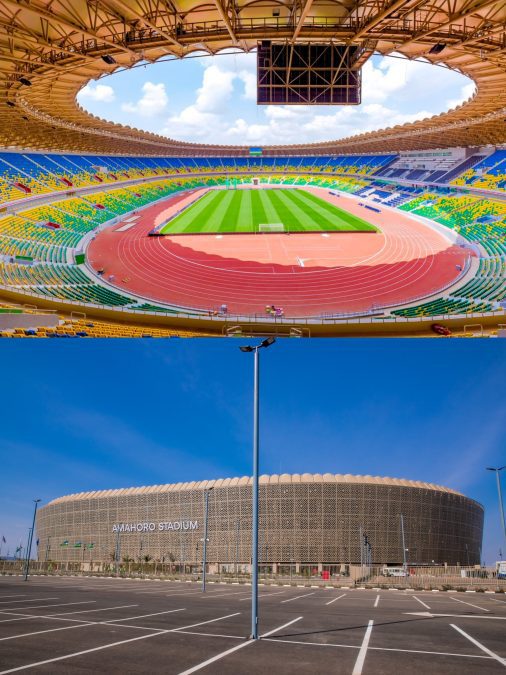
Building Talanta in Nairobi made no sense; the stadium ought to have been built in Mombasa, Kisumu, Nakuru or Eldoret.
Look at it this way: Hoima, a town comparable to Bungoma in stature, will host AFCON matches thanks to its world-class stadium, while Mombasa will miss out due to the lack of a modern sports facility.
By the time the first whistle blows in 2027, the world will see a vibrant, multi-city tournament in Uganda and Tanzania, and a ‘Nairobi-only’ affair in Kenya.
Cities left behind
The neglect of Kenya’s coastal and lakeside cities is particularly glaring.
Mombasa, the gateway to East Africa, and Kisumu, the hotbed of football, remain without modern sports facilities.
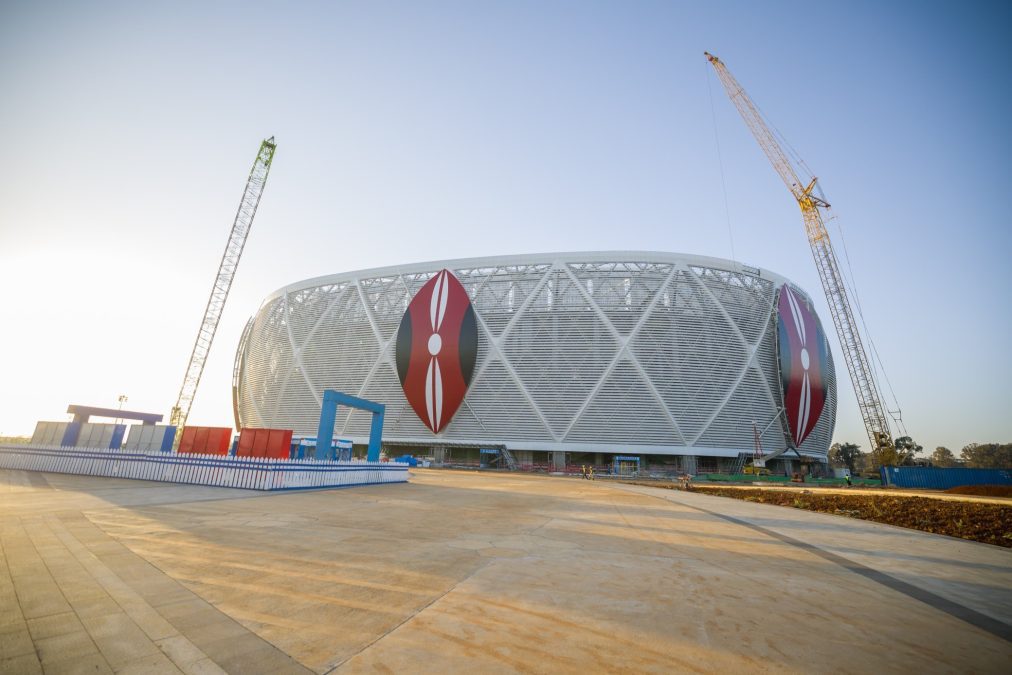
While Uganda transforms cities like Lira into sports tourism destinations, Kenya’s talent-rich regions continue to wait for a ‘trickle-down’ effect that never arrives.
As the 2027 deadline nears, Kenya is left playing a desperate game of catch-up, with its neighbours already crossing the finish line.
Author
Martin Oduor
The alchemist of literary works - a master wordsmith with a proven record of transforming the raw materials of language into a rich tapestry of emotion, thought, and imagination.
View all posts by Martin Oduor