Advertisement
Fencing star Alexandra Ndolo voices concerns over lack of support for top athletes
28th March, 2026 12:01 PM
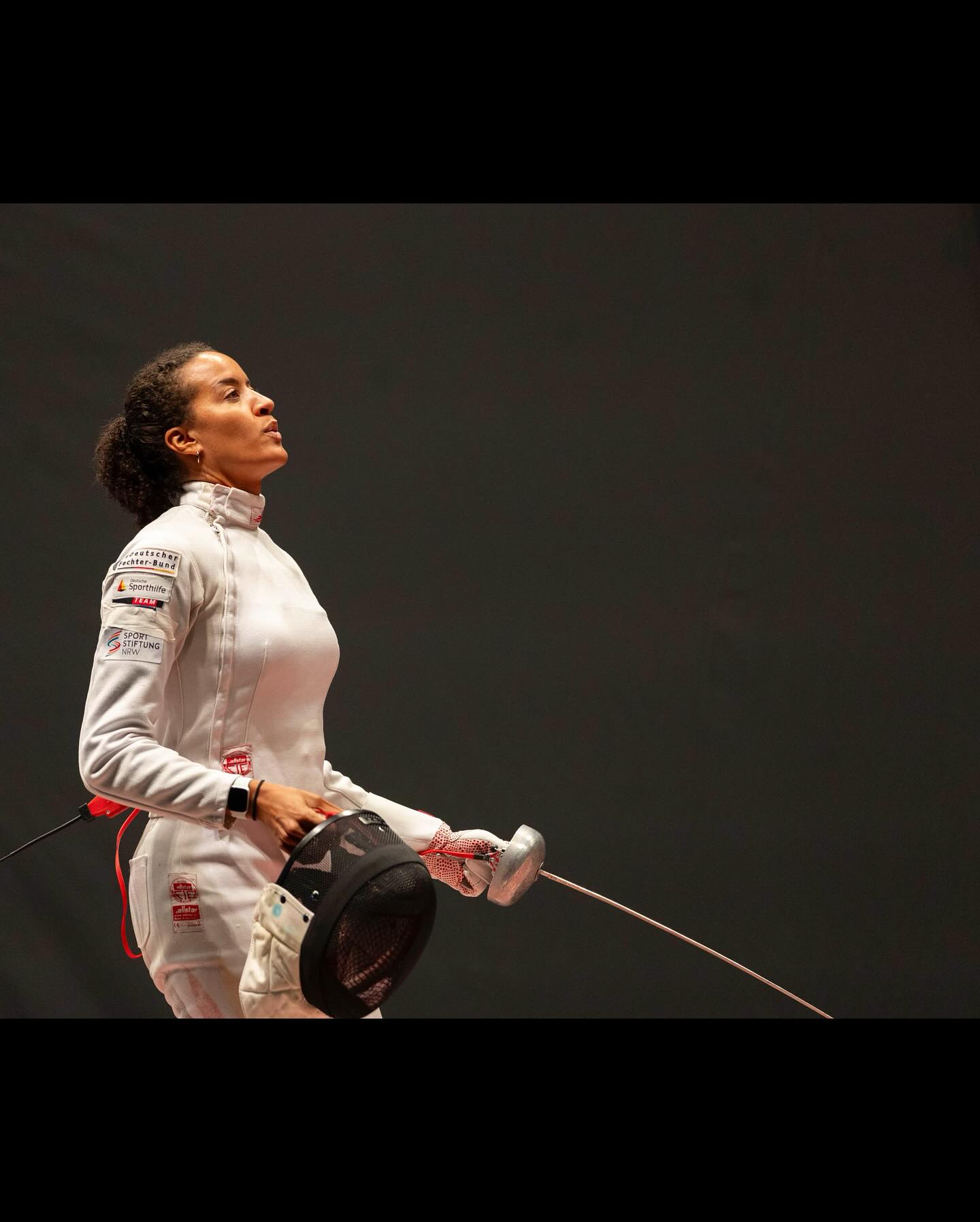
Kenyan fencing star Alexandra Ndolo has criticised the country’s sports structures after a frustrating early exit from the Budapest Grand Prix, revealing the stark challenges she faces competing at the highest level without adequate support.
In an emotional statement shared on her social media platforms on Saturday, March 28, 2026, the world’s top-20-ranked épée fencer disclosed that her struggles are not simply about performance, but a reflection of deeper systemic issues.
Ndolo’s frustrations
“Out in the first round of the main draw. Not a single athlete at this competition came without a coach,” Ndolo wrote, highlighting the disparity between her situation and that of her competitors.
She pointed out that even the highest-ranked athletes at the event were accompanied by both coaches and physiotherapists, while she was forced to navigate the competition alone.
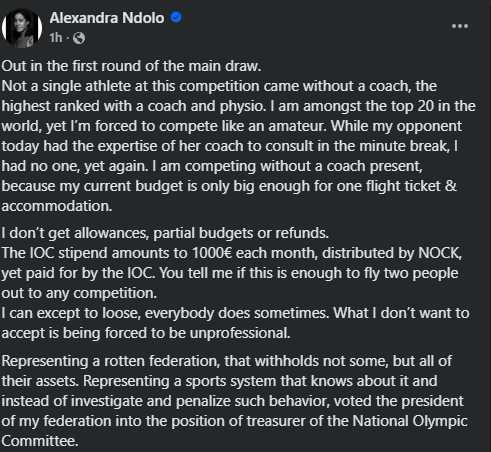
Despite her elite status in global fencing, Ndolo expressed frustration at having to compete under conditions she described as “amateur.” She revealed that budgetary constraints have limited her to covering only her own travel and accommodation, leaving no room to bring along essential technical support staff.
“I am amongst the top 20 in the world, yet I’m forced to compete like an amateur,” she lamented. “While my opponent today had the expertise of her coach to consult in the minute break, I had no one, yet again.”
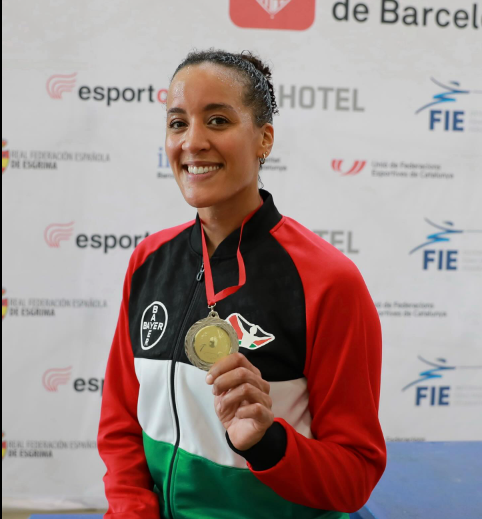
Ndolo further exposed the financial realities behind her struggles, noting that she does not receive allowances, partial funding, or reimbursements from local sports authorities. According to her, the only consistent support comes from a monthly stipend provided through the International Olympic Committee (IOC), amounting to 1000 euros.
However, the German-born athlete questioned the adequacy of this support, especially when managed through the National Olympic Committee of Kenya (NOCK). “You tell me if this is enough to fly two people out to any competition,” she posed, underlining the financial impossibility of assembling even a minimal support team.
While acknowledging that losses are part of sport, Ndolo made it clear that what she finds unacceptable is being forced into unprofessional conditions. Her criticism extended beyond funding, targeting what she termed as deep-rooted governance failures within Kenyan fencing and the broader sports ecosystem.
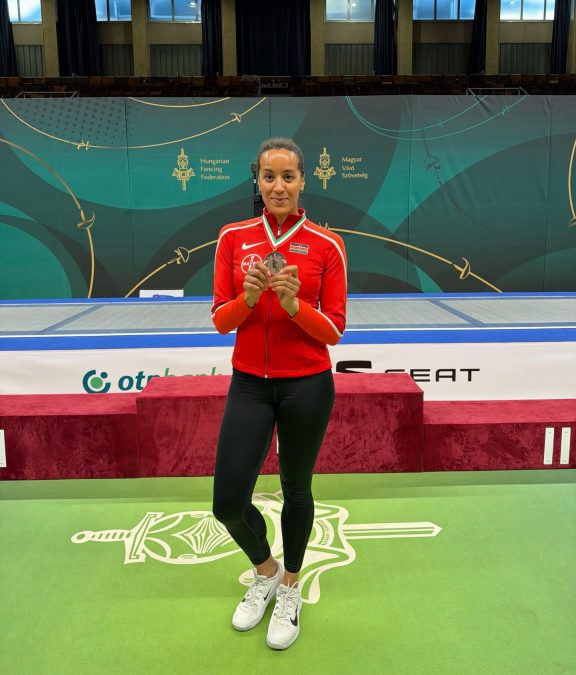
“Representing a rotten federation that withholds not some, but all of their assets,” she stated, in a strong indictment of the Kenya Fencing Federation. She further accused the wider system of complicity, alleging that instead of addressing such issues, officials are rewarded with influential positions.
Ndolo referenced the controversial elevation of her federation’s president to a senior role within NOCK, describing it as evidence of a system that fails to hold leaders accountable. Her remarks paint a troubling picture of governance gaps and a lack of oversight in Kenyan sport.
Collective responsibility
She called for collective responsibility and action, urging stakeholders and the public not to remain passive. “The Kenyan sports system should be ashamed of itself! If you are not actively battling this status quo, you are part of the problem,” she declared.
Her outcry adds to a growing list of Kenyan athletes who have publicly voiced concerns over inadequate support, mismanagement, and lack of transparency in sports administration.