Advertisement
Can Kenyans work at the FIFA World Cup? Terry Ouko shows the answer is yes
09th June, 2026 10:59 PM
When most Kenyans think about the FIFA World Cup, they imagine football stars battling for glory on the pitch.
But the world’s biggest sporting event is much more than football.
Behind every match are thousands of professionals working in logistics, security, communications, hospitality, human rights, technology, media and event management.
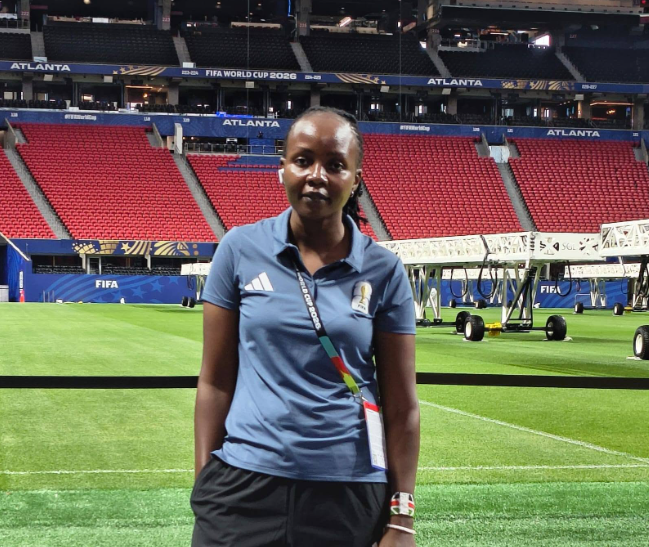
Former Harambee Starlets defender Terry Ouko has become a powerful example of this reality after securing a key role at the 2026 FIFA World Cup.
Her appointment demonstrates that Kenyans do not need to qualify as players to participate in football’s biggest tournament.
Many career paths can take talented professionals to the World Cup.
Who is Terry Ouko?
Terry Ouko is a former Harambee Starlets defender who has built an impressive career beyond the football pitch.

Over the years, she has served in football administration, player welfare advocacy and sports governance.
She has held leadership positions within the Kenya Footballers Welfare Association and represented footballers at an international level through the International Federation of Professional Footballers (FIFPRO).
Her career journey reflects a growing trend in global sports where former athletes transition into leadership, governance and management roles after retirement from active competition.
What is Terry Ouko’s FIFA role?
Ouko has been appointed Sustainability and Human Rights Venue Manager for the 2026 FIFA World Cup at Atlanta Stadium in the United States.
The role goes far beyond organising football matches. Her responsibilities include ensuring that everyone attending the tournament feels safe, respected and included.
She will help oversee anti-discrimination measures, safeguarding policies, diversity initiatives and environmental sustainability programmes at one of the tournament venues.
In simple terms, her job is to help ensure the World Cup delivers a positive experience for players, fans, workers and local communities.
Can Kenyans work at the FIFA World Cup?
The answer is yes.
Terry Ouko’s appointment proves that Kenyans can secure opportunities within FIFA and other organisations involved in staging the World Cup.
In fact, many World Cup positions do not require football-playing experience. What employers often seek are professional skills, qualifications and experience in areas that support the successful delivery of a global sporting event.
As international sporting events continue to expand, opportunities are increasing for professionals from around the world, including Africa.
FIFA World Cup jobs available
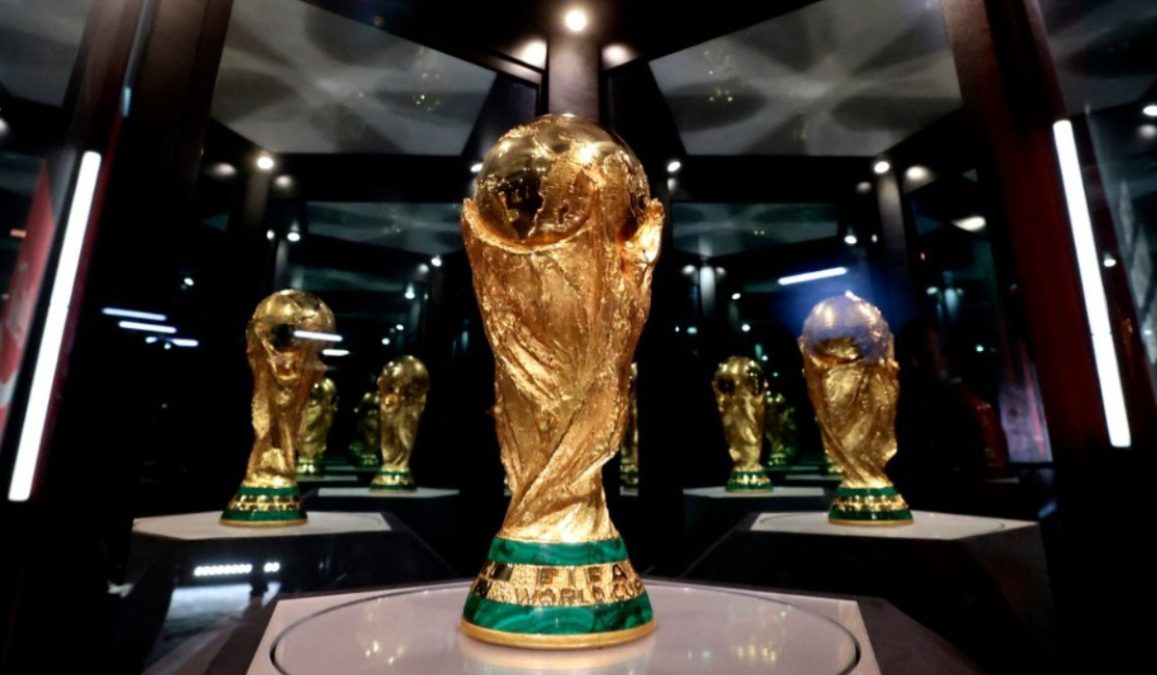
Many people are surprised to learn how many careers exist behind the scenes at a FIFA World Cup.
Some of the positions regularly advertised by FIFA and tournament organisers include:
- Tournament operations officers
- Stadium operations staff
- Airport operations personnel
- Guest experience managers
- Hospitality coordinators
- Accommodation managers
- Security specialists
- Communications officers
- Marketing professionals
- Human resources personnel
- Information technology experts
- Sustainability managers
- Human rights officers
- Media and broadcasting teams
These roles help ensure millions of fans, players, officials and stakeholders enjoy a smooth tournament experience.
Skills needed for FIFA World Cup jobs
Working at the FIFA World Cup requires more than a love for football.
Some of the most valuable skills include:
Communication skills
World Cup staff interact with people from different countries and cultures. Strong communication skills are essential.
Project management
Large sporting events involve thousands of moving parts. Employers value people who can coordinate projects and manage deadlines.
Language abilities
Speaking multiple languages can be an advantage when working in international sporting environments.
Technology skills
Digital systems, cybersecurity, data management and event technology play major roles in modern tournaments.
Leadership and teamwork
The ability to work effectively within diverse teams is highly valued.
Problem solving
Unexpected situations occur frequently during major events. Employers look for people who can think quickly and find solutions.
How to increase your chances of working for FIFA
For young Kenyans dreaming of working at the FIFA World Cup, there are practical steps that can improve their chances.
Pursue relevant education
Degrees and certifications in sports management, communications, law, marketing, event management, technology and business can open doors.
Gain experience
Volunteer work, internships and local sports administration experience help build valuable skills.
Build professional networks
Many opportunities arise through industry connections. Networking within sports organisations can be beneficial.
Develop specialised skills
Expertise in areas such as sustainability, safeguarding, communications, technology or project management can make candidates more competitive.
Stay informed
Regularly monitoring FIFA careers pages and sports industry job boards can help candidates identify opportunities early.
The bigger lesson from Terry Ouko’s story
Terry Ouko’s appointment highlights an important reality that many young people overlook.
The FIFA World Cup is not only a destination for footballers. It is also a workplace for lawyers, journalists, engineers, event managers, sustainability experts, security specialists, marketers and technology professionals.
As football continues to grow into a multi-billion-dollar global industry, opportunities are expanding far beyond the pitch.
For ambitious Kenyans, the lesson is simple: you do not need to score goals at the World Cup to be part of it. Sometimes the path to football’s biggest stage begins in a classroom, an office, a volunteer programme or a leadership role.