Advertisement
What is Eid al-Adha, why is it being marked as a public holiday on Wednesday?
25th May, 2026 03:43 PM

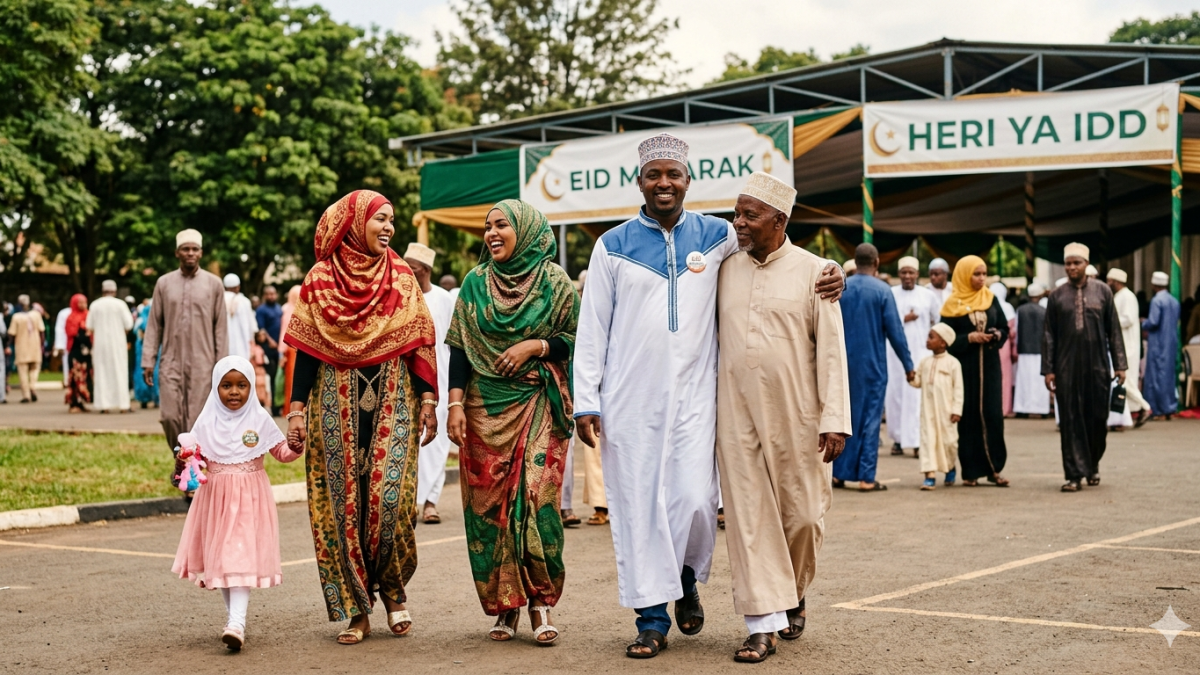
Eid al-Adha, also known as the Festival of Sacrifice or Eid-ul-Adha, is one of the two major Islamic festivals celebrated by Muslims worldwide. In Kenya, Wednesday, May 27, 2026, has been declared a public holiday to mark this important day.
The declaration was made through Kenya Gazette Notice No. 7653 issued on Monday, May 25, 2026, by Cabinet Secretary for Interior and National Administration, Kipchumba Murkomen.
The government invoked Section 3(1) of the Public Holidays Act to give Muslims across the country an opportunity to observe the religious occasion.
What is Eid al-Adha, and why does it matter
Eid al-Adha is one of the most significant Islamic festivals observed by Muslims around the world. But what exactly is it, and why does it carry such deep meaning?
At its core, Eid al-Adha commemorates the unwavering faith and obedience of Prophet Ibrahim (Abraham) to God’s command.
According to Islamic belief, Ibrahim was instructed to sacrifice his son, Ismail, as a test of devotion. Just as he prepared to carry out the command, God intervened and replaced Ismail with a ram.
The event is widely understood as a powerful symbol of submission, sacrifice, and complete trust in God’s will.
Why Wednesday
The festival falls on the 10th day of Dhul-Hijjah, the final month of the Islamic lunar calendar. It also coincides with the conclusion of the annual Hajj pilgrimage in Mecca, one of the five pillars of Islam.
Because it follows the lunar calendar, the exact date changes each year based on the sighting of the moon.
The date of Eid al-Adha is determined by the sighting of the moon. In 2026, the 10th of Dhul-Hijjah falls on Wednesday, May 27.
A day of prayer and sacrifice
Across Kenya and the world, the day is marked with early morning prayers in mosques, followed by one of its central rituals, Qurbani, the slaughtering of animals such as goats, sheep, cows, or camels.
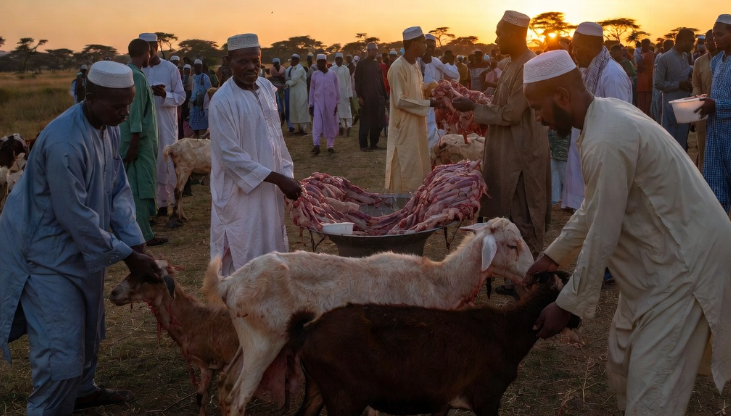
The meat is then shared in three parts: for the family, relatives, and those in need.
This act reinforces values of generosity, community support, and compassion for the less fortunate.
Eid al-Adha vs Eid al-Fitr
Eid al-Fitr and Eid al-Adha are often confused, but they mark two very different moments in Islam. Eid al-Fitr, known as the “Small Eid,” comes after Ramadan and celebrates the end of fasting, focusing on gratitude, joy, and community.
Eid al-Adha, the “Festival of Sacrifice” or “Big Eid,” remembers Prophet Ibrahim’s willingness to sacrifice his son in obedience to God, and is marked by Qurbani, where animals are sacrificed and the meat shared with family, relatives, and the poor.
While both Eids involve prayer, feasting, and charity, one celebrates the completion of fasting and the other centres on sacrifice, faith, and devotion.
Author
William Muthama
William Muthama is a digital journalist with a focus on entertainment, human interest, and current affairs. Share stories: [email protected]/ [email protected]
View all posts by William Muthama