Advertisement
How small acts of generosity during Eid al-Adha build strong family, friendship bonds
27th May, 2026 08:32 AM
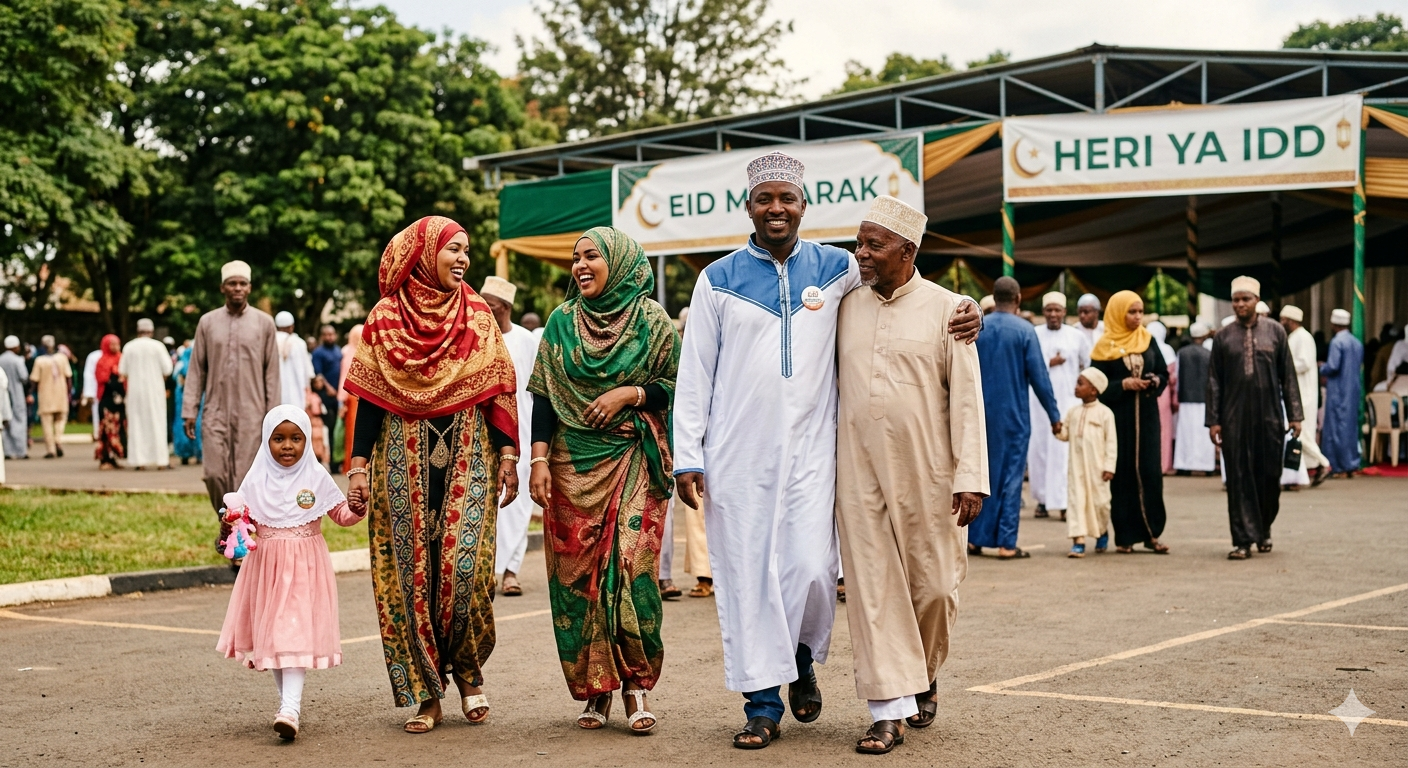
Eid al-Adha is one of the most important celebrations in the Muslim calendar, marked by prayer, family gatherings, sharing meals and giving thanks after a period of fasting and reflection.
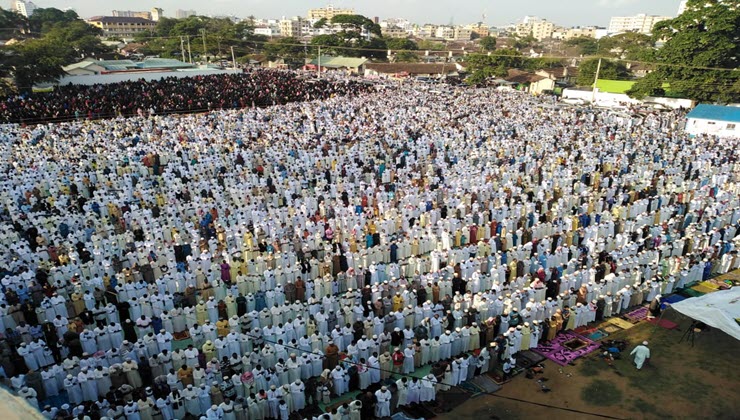
For many Muslim families, the day begins with special prayers at the mosque, followed by visits to relatives, preparing food and spending time together. But beyond the celebrations, Eid is also deeply connected to kindness, generosity and caring for others.
During Eid al-Adha, many people make an effort to ensure neighbours, friends and even strangers do not feel left out. From sharing plates of food to helping struggling families buy basic items, these quiet acts of kindness often leave a bigger impact than expensive celebrations and, in the long run, cement family and friendship ties.
Sharing food beyond family tables
One common tradition during Eid is preparing more food than usual so it can be shared with neighbours and visitors. In many communities, meals are sent from one home to another, creating a feeling of unity and warmth. Even families with little often find a way to share something small.
According to the United Nations World Food Programme, sharing meals helps strengthen social bonds and encourages communities to support one another during difficult times. During Eid, this spirit becomes more visible as people intentionally include others in their celebrations, hence building stronger relationships.
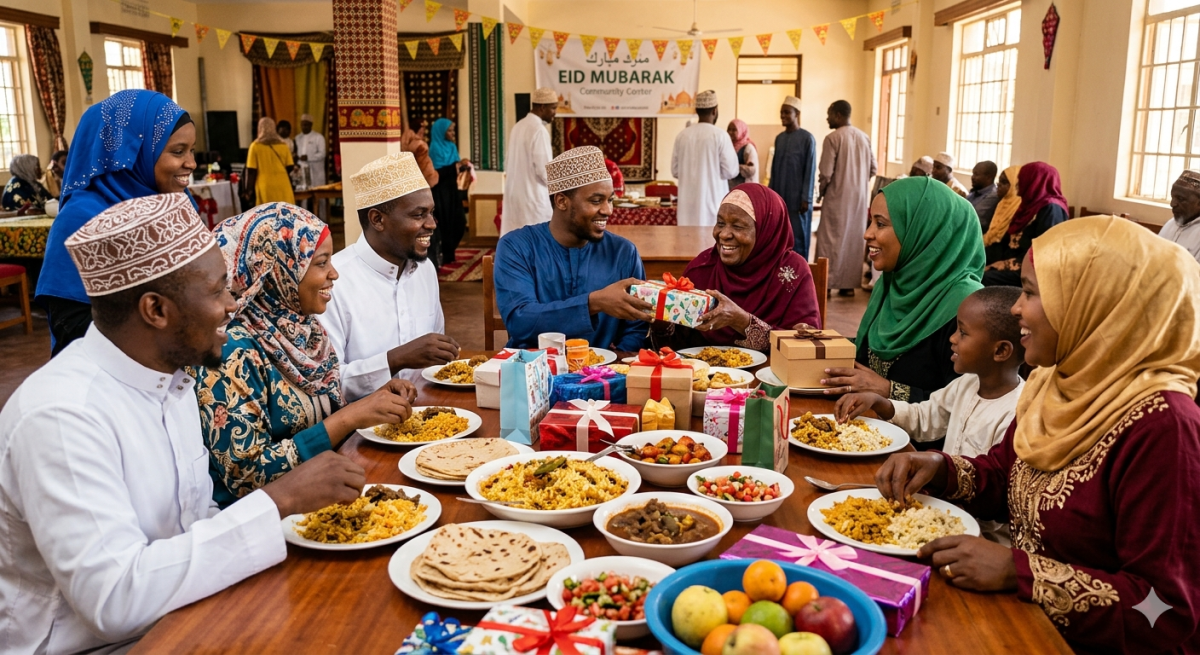
In some neighbourhoods, groups come together to cook for vulnerable families, elderly people living alone and children in orphanages. These gestures may seem simple, but they help reduce loneliness and remind people they are valued.
Acts of compassion and solidarity can create lasting emotional support for vulnerable families. This is often reflected during Eid celebrations, where kindness becomes part of daily interaction.
Supporting families quietly
Another meaningful part of the Eid al-Adha celebration is helping families who may not be able to afford new clothes, food or transport during the holiday. Some people choose to pay school fees, buy groceries for struggling households or donate to community drives without expecting recognition.
Islam places strong emphasis on charity, especially during festive seasons. The practice of giving to those in need helps ensure everyone can celebrate with dignity. According to Islamic Relief Worldwide, charitable giving during Eid promotes fairness, compassion, and social responsibility within communities.

In many cases, these acts happen quietly. A neighbour may leave food at someone’s doorstep, contribute towards rent or support a family dealing with illness. While such gestures may not attract attention, they often ease emotional and financial pressure for many households.
Community spirit that lasts beyond the celebrations
What makes these acts special is that their impact often continues long after the holiday ends. Children grow up remembering how neighbours treated one another during Eid, while families facing hardship remember the support they received.
Community spirit built during Eid al-Adha Mubarak has encouraged people to continue helping each other throughout the year. Simple acts like checking on elderly neighbours, sharing food or supporting local charity groups can strengthen relationships within communities.
While Eid is known for celebration and joy, its deeper meaning is often found in these quiet moments of generosity. In a time when many people face economic and emotional challenges, small acts of kindness can carry lasting meaning far beyond a single holiday.