Advertisement
Why Muslims celebrate Eid twice a year
27th May, 2026 06:48 AM

Muslims around the world celebrate two major religious festivals every year, known as Eid al-Fitr and Eid al-Adha.
The word “Eid” means festival or feast in Arabic. Although people often shorten the names and simply say “Eid,” the two celebrations are different, and each carries its own meaning and importance in Islam.
The dates of the two Eids change every year because the Islamic calendar follows the lunar cycle instead of the solar calendar used in many parts of the world. Since the lunar year is shorter by about 11 days, Islamic celebrations move to different seasons over time.
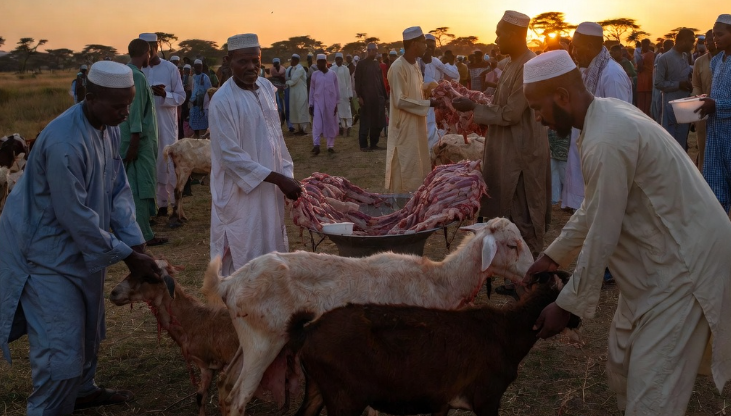
Both Eid celebrations are marked by prayers, family gatherings, meals, and acts of kindness. Muslims usually attend special prayers at mosques and spend time with loved ones during these important days.
Understanding Eid al-Fitr
Eid al-Fitr is celebrated at the end of Ramadan, the holy month when many adult Muslims fast from dawn until sunset. The name Eid al-Fitr means “festival of breaking the fast.”
Ramadan is considered a sacred period in Islam because it allows Muslims to focus on prayer, self-discipline, charity, and strengthening their relationship with Allah. Fasting during this month is one of the important acts of worship in Islam.
Eid al-Fitr begins after the sighting of the new crescent moon, which marks the start of the Islamic month of Shawwal. Depending on the country, the celebration may last between one and three days.
On the morning of Eid al-Fitr, many Muslims wear clean or new clothes, attend prayers at the mosque, and eat something sweet before leaving home. Dates are commonly eaten as part of the tradition. Muslims also recite special prayers known as takbeer during the celebrations.
Meaning behind Eid al-Adha
Eid al-Adha takes place a little over two months after Eid al-Fitr. Its name means “feast of the sacrifice.” The celebration happens during the period when many Muslims perform Hajj, the annual pilgrimage to Mecca in Saudi Arabia.
Hajj is one of the most important duties in Islam and is expected at least once in a lifetime for Muslims who are physically and financially able. Eid al-Adha also marks the end of the Hajj pilgrimage.
Many Muslims consider Eid al-Adha the holier of the two festivals. Like Eid al-Fitr, the day is marked by prayers, gatherings, and sharing meals with family and friends.
The two Eids remain deeply important in Islam because they bring communities together through faith, gratitude, worship, and celebration. Even though the occasions are different, both festivals remind Muslims of devotion, sacrifice, and unity.