Advertisement
Fashion rules for dressing well at an Eid gathering as a guest
27th May, 2026 07:58 PM
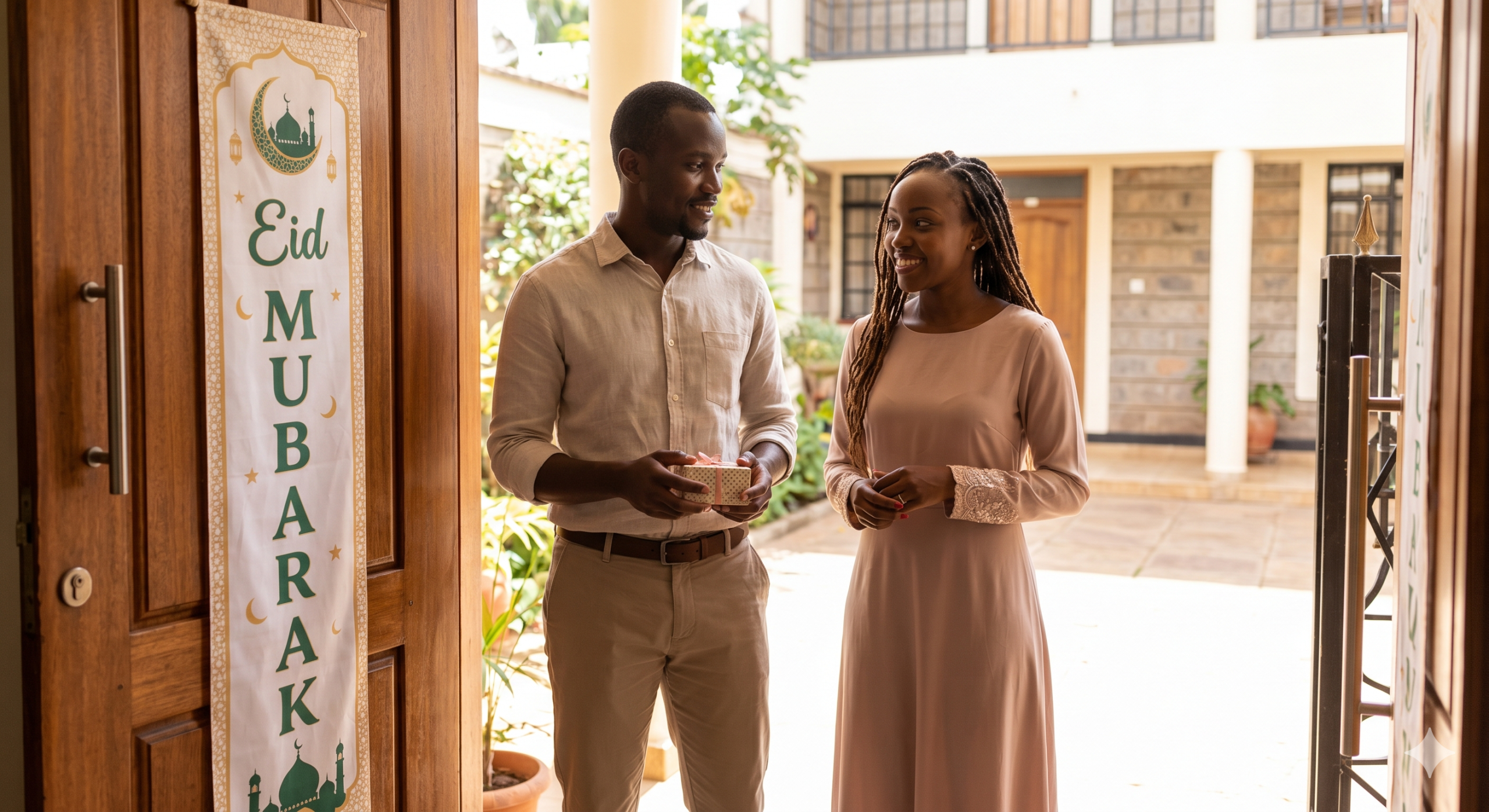
As Eid al-Adha arrives on May 27, 2026, many non-Muslim Kenyans will join their friends and colleagues to celebrate the festival of sacrifice.
Attending these cross-cultural celebrations is an excellent way to connect, but it requires an understanding of specific cultural expectations.
Dressing appropriately shows respect for the occasion and also ensures your comfort throughout the day.
Mastering modesty and festive colours
The primary rule for attending an Eid gathering is maintaining a modest silhouette. For both men and women, clothing should be loose-fitting and cover the shoulders down to below the knees, though long trousers or maxi dresses reaching the ankles are ideal.
Avoid sheer fabrics, deep necklines, and tight outfits.
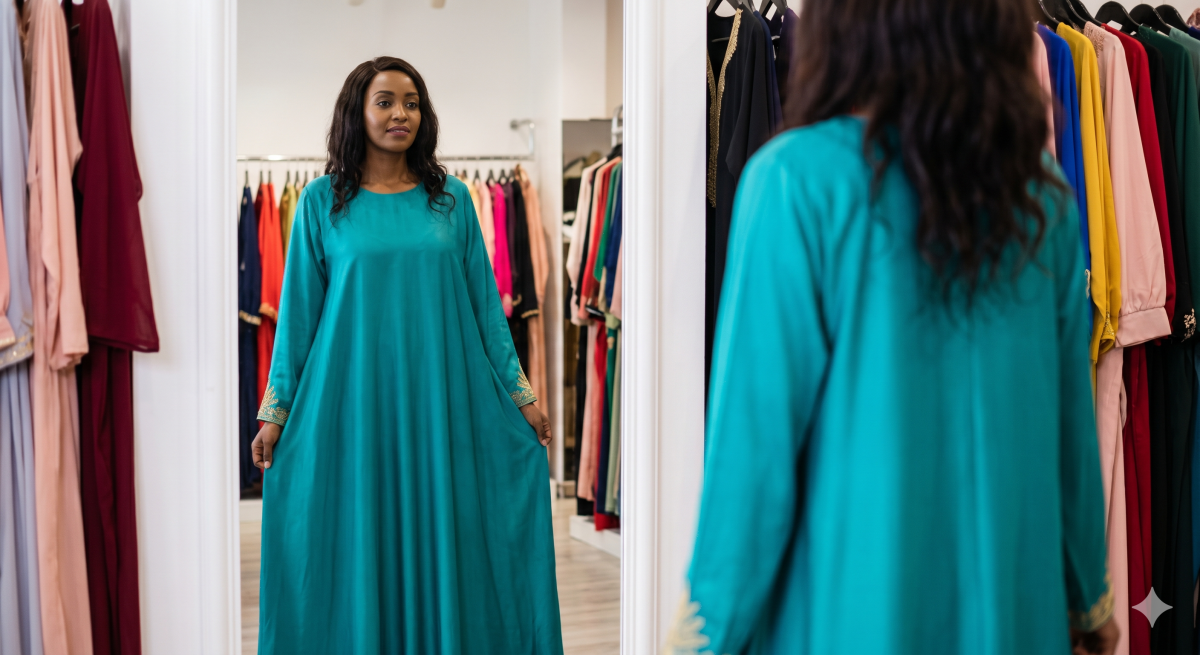
According to research by Lewis and Aune (2023), modest dress involves “the different ways in which women from diverse religious and religio-ethnic communities cover their bodies in accordance with their interpretation of religious teachings and, variably, their accommodations of prevailing religious cultural community conventions.”
Following these local conventions allows guests to blend in seamlessly without causing unintended offence.
Colour selection is equally important. While black is a wardrobe staple for many Kenyans, solid black outfits can sometimes look funereal or somber.
Instead, select celebratory, vibrant tones that match the festive mood. Emerald green, royal blue, rich maroons, and pastel shades are highly appropriate.

Men can opt for a smart linen shirt paired with khaki trousers, while women often wear elegant maxi dresses or long-sleeved kaftans. Investing in a quality outfit may cost around Sh3,000 to Sh5,000 in local boutiques, a practical expense for a versatile ensemble.
Navigating home etiquette and footwear logic
Most households maintain a strict shoe-free policy indoors to preserve the cleanliness of carpets and flooring.
Choose slip-on shoes, loafers, or elegant flats that are easy to remove and put back on at the entrance.
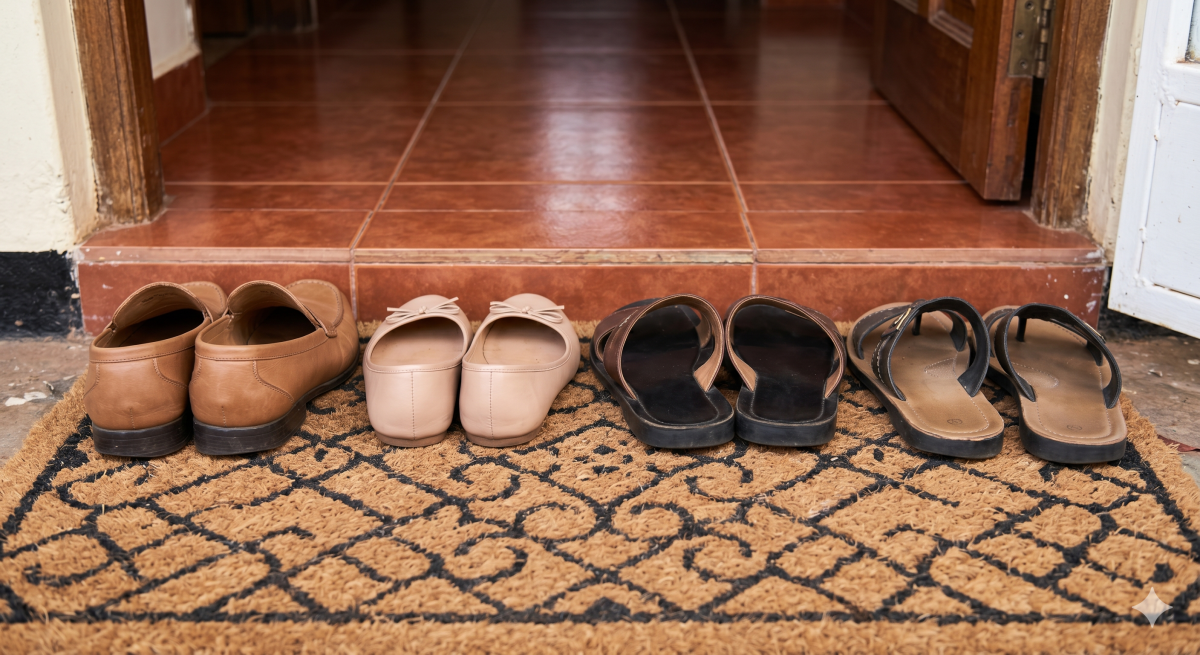
Since you will walk around the house barefoot or in socks, pay close attention to your feet. Ensure your socks are clean, intact, and free of visible holes. If you prefer not to walk in bare feet, carrying a fresh pair of indoor socks is an acceptable alternative.
By aligning your outfit with these traditional boundaries, you show appreciation for your host’s culture while enjoying the feast.