Ruto invites creatives to shape Kenya’s post-vision 2030 agenda
By William Muthama, July 30, 2026President William Ruto has invited Kenya’s creative industry to play a central role in shaping the country’s next long-term development blueprint as the government prepares to chart a new course beyond Vision 2030.
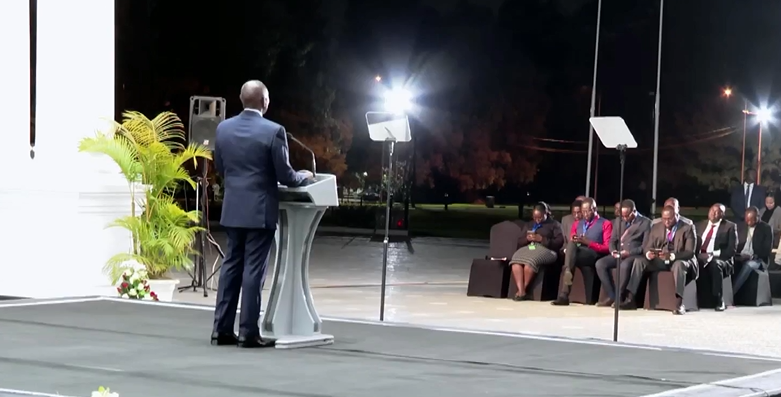
Speaking during a special national address from State House, Nairobi, on Thursday, July 30, 2026, the President said artists and other players in the creative economy would be among key stakeholders participating in a nationwide conversation to define Kenya’s future.
Ruto said the process would bring together leaders from across society to develop a people-driven national development charter that reflects the country’s aspirations beyond Vision 2030.
Creatives at the table
The President said the national conversation would include representatives from political parties, the private sector, workers’ organisations, faith communities, universities, professional associations, innovators, civil society and the creative industries.

“We shall bring together every institution of our Republic, every county, and every generation. Leaders from political parties, the private sector, workers’ organisations, faith communities, universities, professional associations, innovators, civil society, our creative industries and, above all, our young people will be at the centre,” he said.
National conversation
Ruto announced that the National Conversation on Kenya’s Future Beyond Vision 2030 will be launched on August 12, 2026, describing it as one of the country’s most significant public participation exercises since the promulgation of the 2010 Constitution.
He said the process would not be driven by the government alone but would instead rely on ideas and contributions from citizens across the country.
According to the President, the objective is to craft a long-term national development charter that will guide Kenya’s transformation into a prosperous, high-income and globally competitive nation.
Beyond politics
Ruto said the conversation should rise above politics and electoral cycles, arguing that Kenya’s future requires a shared national vision anchored in the Constitution.
He noted that while Vision 2030 had guided national development for two decades, the time had come for Kenyans to define the country’s next chapter collectively.
“The future of Kenya is too important to be left to politicians alone. It must be imagined, shaped and built by each one and all of us,” he said.