Number of Kenyans repatriated from South Africa hits 240 as xenophobia fears rise
By Steve Ireri, July 4, 2026The number of Kenyans repatriated from South Africa has risen to 240 after 60 more citizens arrived at Nairobi’s Jomo Kenyatta International Airport (JKIA) on the night of Friday, July 3, 2026, amid growing fears over a fresh wave of xenophobic attacks targeting foreign nationals.
The latest group landed at around 10 p.m., joining dozens of other Kenyans who have been flown back to the country in phases over the past week under a government-led emergency evacuation programme.
Many of the returnees arrived carrying only a few personal belongings after abandoning businesses, jobs and years of investment in South Africa. Others were forced to leave behind spouses, children and relatives as violence and intimidation escalated in several parts of the country.
Among those who returned was Simon Chege, who has lived in South Africa for about 12 years.
Speaking to journalists at JKIA, Chege said he was forced to flee despite having established a life there, including businesses, a South African wife and children.
According to him, the latest wave of xenophobic attacks was unlike previous incidents because vigilante groups were moving from house to house searching for foreign nationals regardless of whether they possessed legal immigration documents.
“South Africans are not all bad, but we have a group of bad people. This time they took it very seriously. They were moving from house to house targeting people. Whether you were documented or undocumented, they wanted you out,” Chege said.
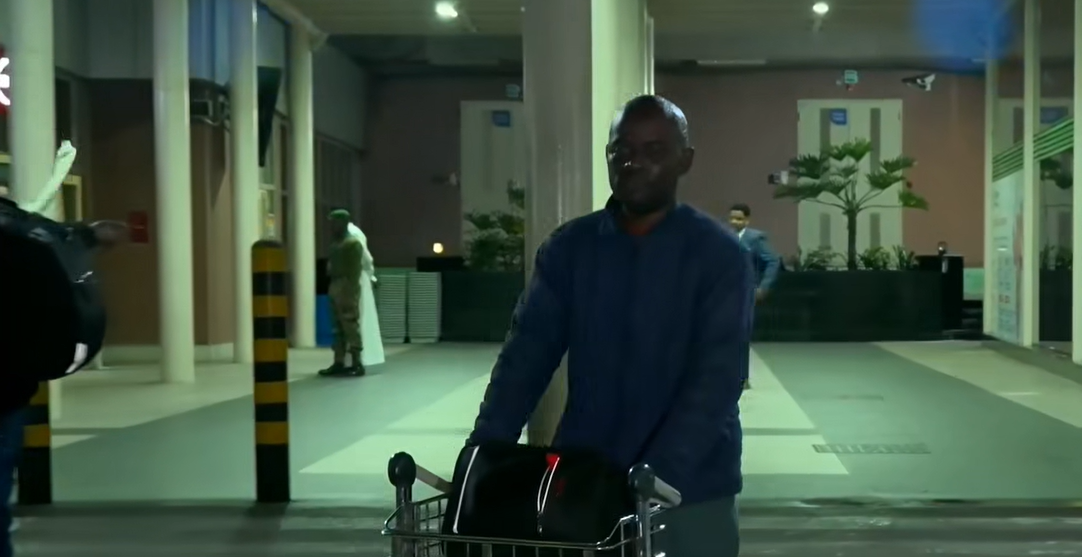
He revealed that leaving his family behind was one of the most painful decisions he has ever had to make.
“The children are not safe even though they are South Africans because they carry my surname. Even now, I don’t know what the next step will be for them,” he added.
Another Kenyan, Martin Oduor, disclosed that he has two daughters, one of whom recently graduated from university in South Africa while the younger one is still in high school.
“I have two girls. My first one has just graduated from university in South Africa, and she is doing well. The other one is still in high school. Their South African mother and I had already separated, but they remained there,” he said.
His story reflects the painful reality facing many Kenyans who fled South Africa with little or nothing despite spending years building businesses and raising families there.
Volatile waves
The latest exodus comes as South Africa experiences one of its most volatile waves of xenophobic unrest in recent years.
The violence intensified after anti-immigrant campaign groups issued an ultimatum demanding that undocumented foreigners leave the country by June 30, 2026.
Although some protest organisers insisted their demonstrations were peaceful, the unrest has since been linked to deaths, widespread looting, destruction of property and attacks on foreign-owned businesses.
The growing insecurity has triggered a regional humanitarian response, with thousands of African migrants fleeing South Africa.
Countries including Nigeria, Kenya, Malawi, Zimbabwe, Mozambique and Ghana have launched emergency evacuation programmes to rescue their citizens as fear continues to spread.
Regional estimates indicate that more than 25,000 foreign nationals have either fled or been repatriated from South Africa since the latest wave of xenophobic violence began.
The unrest has largely been fuelled by claims from some South Africans that foreigners are responsible for crime, unemployment and pressure on public services.