Mitumba are here to stay – Ruto
By Babu Tendu, January 21, 2026President William Ruto has stated that second-hand clothes in Kenya are here to stay and are not going anywhere anytime soon.
Speaking to the Nairobi Markets leadership at State House on Wednesday, January 21, 2026, Ruto noted that the government’s position remains constant and that Kenya still accepts the importation of second-hand clothes.
He explained that despite the fact that a number of countries have imposed a ban on their importation, Kenya sees the need to maintain a balance between new and used clothes.
He added that Kenya still has a large population that depends on second-hand clothes and the industry in general and reiterated that nothing is going to change in that regard.
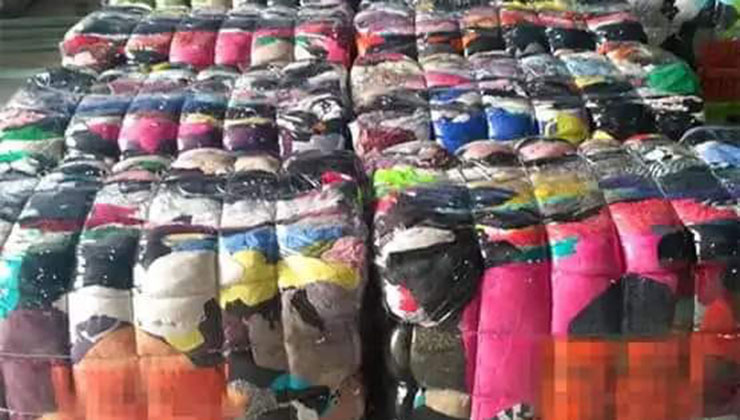
“Tumekubaliana ya kwamba kufikia sasa serikali ya Kenya tumesema ya kwamba nchi zingine nyingi zimepiga marufuku mambo ya mitumba, lakini sera ya serikali ya Kenya ni kwamba kuna sehemu ya wananchi wa taifa letu la Kenya, na ni sehemu kubwa, wanaotumia nguo ya mtumba Kenya.”
“Sababu hio lazima tuweke mizani kati ya market ya new clothing na market ya second-hand clothing,” the Head of State said.
Loosely translating to “You have made requests that you want to know the government’s stance and policy on mitumba clothing. We want you to agree with us that, despite several other countries, including those in the region, imposing a ban on mitumba, for us, we will continue to respect that balance,” Ruto said.
“There is a large part of our population that directly depends on the mitumba clothing and industry. For that reason, we must strike a balance between the market for new clothing and the mitumba market. So it is clear that the policy of Kenya is not going to change.”
Previous rumours
In 2022, former Trade Cabinet Secretary Moses Kuria indicated that the Kenyan government might ban mitumba imports, but only after the domestic textile industry could provide more affordable alternatives.
Following models like South Africa, Kuria emphasised that revitalising local manufacturing is the necessary precursor to any such restriction.