Advertisement
Kwale cancer patients plead for higher SHA funding as care crisis worsens
25th February, 2026 04:04 PM

The pain and uncertainty facing cancer patients in Kwale County continue to deepen as the controversy surrounding the Social Health Authority (SHA) disrupts access to essential medical services.
Patients are now trekking long distances in search of treatment, often incurring costs far beyond their means.
With many lacking formal employment or comprehensive medical cover, cancer care has become a daily battle for survival.
The battles often leave behind devastated families weighed down by emotional distress and crippling debt.
In Ukunda, we met Mary Otieno, a breast cancer patient under Keep Hope Alive. Despite the assistance she receives, Otieno’s struggle for adequate treatment persists.
She has undergone chemotherapy twice at the Coast General Hospital, but was later instructed to undergo an additional biopsy because some essential tests were not performed during the initial medical review.
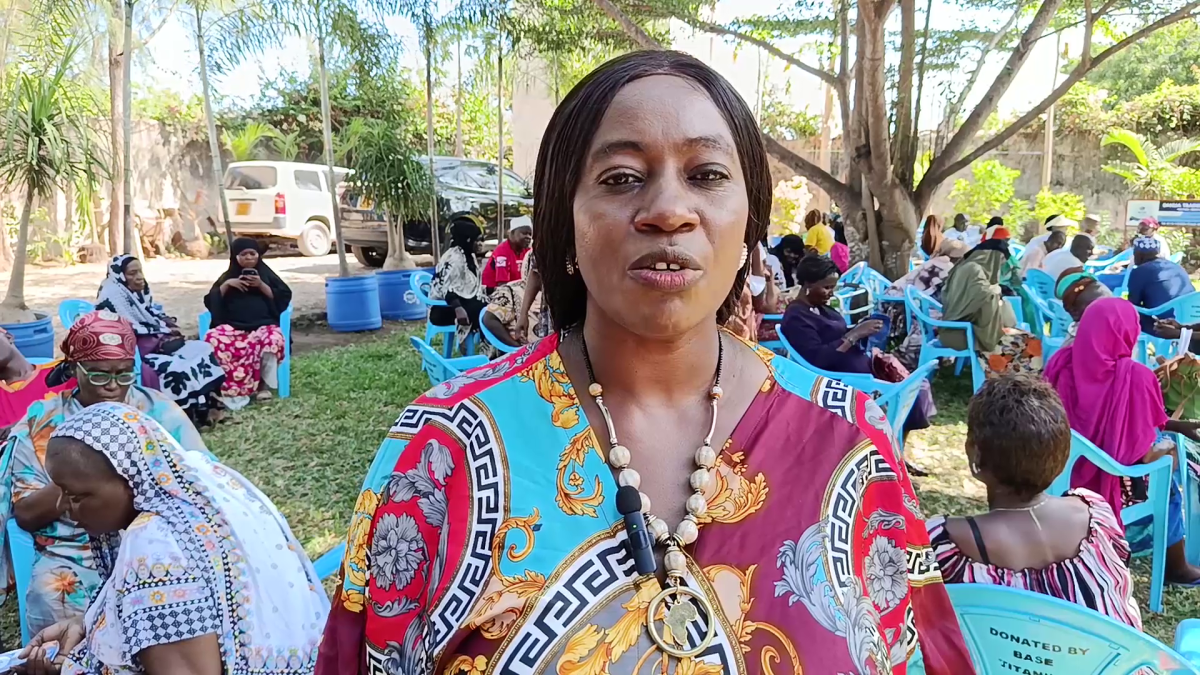
“I have done chemo two times at Coast General Hospital, but I was told to do another biopsy because there are tests that were not done,” she said.
She added that doctors advised her to have her original samples retrieved from the previous hospital, where they were first taken, warning that conducting a new biopsy after chemotherapy could cause severe wounds, as the treatment has already weakened vital breast tissue cells.
However, retrieving the samples has proven to be another obstacle.
Otieno said she has already paid Sh9,000 for the retrieval but has yet to receive anything, alleging she has been taken in circles despite multiple follow-ups.
Her bigger challenge is financial. She has exhausted her SHA allocation, and repeating all required tests would cost up to Sh78, 000, an amount far beyond her ability to raise.
“My family sold almost everything to fund my first treatment, and now we have nothing left,” she said, her voice heavy with frustration.
Otieno urged the government to review and increase SHA allocations to adequately cover the full cost of cancer care.
“I was told the government only pays for a CT scan twice a year. Anything beyond that, you pay from your own pocket money that most of us don’t have,” she said.
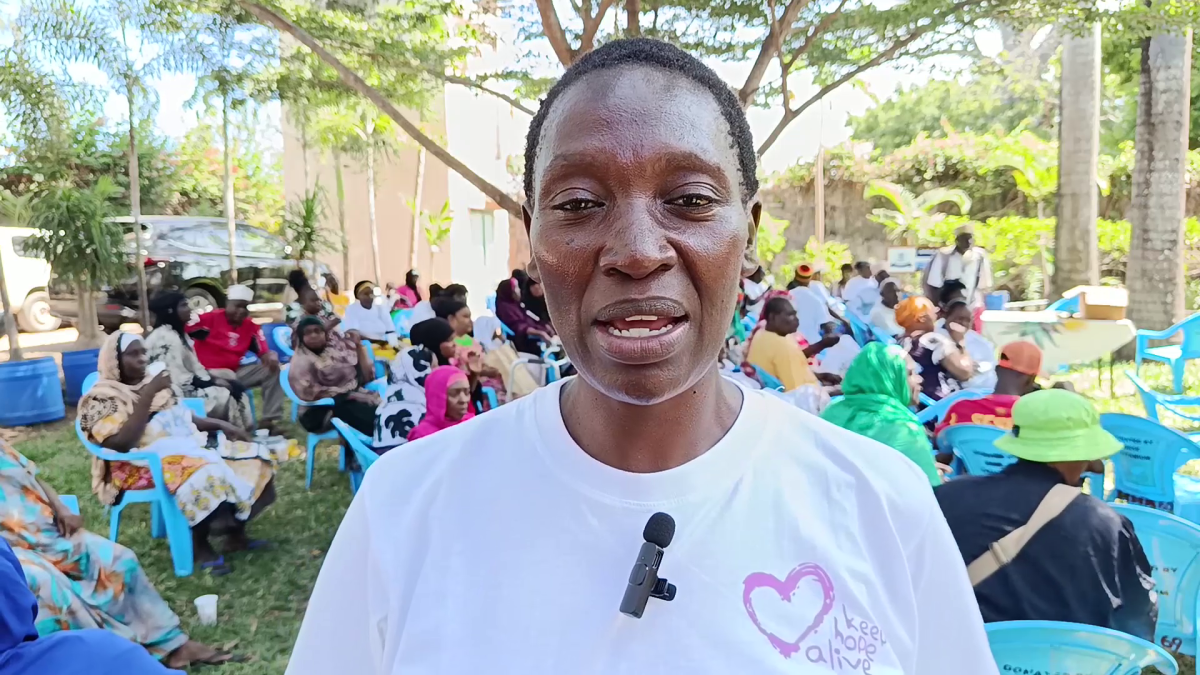
She added that it would be more humane and effective if the government fully financed cancer treatment, noting that the disease is expensive to manage and often pushes families into poverty.
“Cancer treatment is a long process, and many families simply cannot afford it. It would help if the government covered all the expenses,” she said.
Another patient, Ann Muthui, a cancer survivor who has been undergoing chemotherapy and radiotherapy since 2022 in Mombasa, shared similar struggles.
She said transport to and from treatment centres has been one of her biggest challenges, alongside the physical toll of the therapy itself.
According to Muthui, life has become increasingly difficult. On some days, she has been forced to miss treatment simply because she could not raise fare or money for other essential expenses.
She added that the lack of medicine in public hospitals has worsened the situation, pushing patients to seek help in private facilities, an option many cannot afford.
“We have different types of cancers, and we need access to all the necessary medicines. But sometimes the drugs are available, and other times they are not. It is extremely stressful,” she said.
Muthui urged the government to allocate funds to NGOs supporting cancer patients, saying that many of these organizations are overstretched due to the growing number of people seeking help.
Keep Hope Alive Treasurer Doreen Munene appreciated the Kwale County Government for establishing an oncology centre, but urged the county to fully equip the facility so it can offer a wider range of cancer treatment services.
Munene noted that for now, most patients are still forced to seek advanced care outside the county, particularly in Nairobi, due to limited services locally.
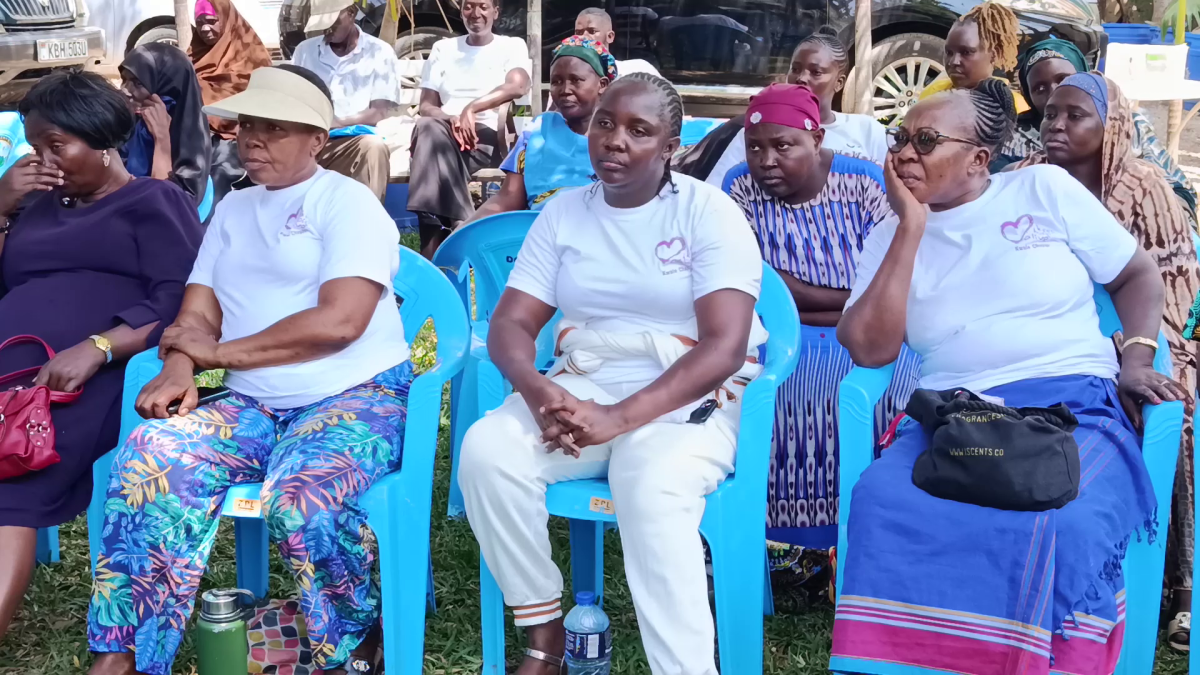
She added that under SHA, many cancer patients quickly deplete their health scheme allocations and end up stranded mid-treatment.
According to her, most patients receive an annual health coverage of between Sh400, 000 and Sh600,000, an amount that is easily exhausted because of the frequency and high cost of weekly cancer treatments.
Munene appealed to the government to increase the allocation to at least Sh1.2 million per year to ensure cancer patients receive uninterrupted treatment.
Keep Hope Alive Chairperson Ali Mwavitu said the organization currently has 35 patients actively undergoing treatment out of 201 registered cancer survivors under their support programme.
He called for a multi-stakeholder approach to addressing the cancer treatment crisis in the county.
“Cancer treatment is very expensive and requires a lot of support to manage,” Mwavitu said.
However, he acknowledged that through SHA, many cancer patients have been able to access treatment, but emphasized the need for additional funding to strengthen healthcare services and ensure continuity of care.