Advertisement
Get to know about the novel where an AI hijacks your mind
14th December, 2025 11:27 AM

Dan Houser was one of the masterminds behind the revolutionary video game series Grand Theft Auto.
Now, after leaving Rockstar Games and launching his own company, he’s released a debut novel about a very different type of game.
A Better Paradise is a dystopian vision of the near future in which an AI-led computer game goes rogue.
Set in a polarised world, it finds Mark Tyburn attempting to create a virtual haven for people to find sanctuary and reconnect with themselves against an all-consuming social media hellscape.
But it all goes wrong when it ends up unleashing a mysterious, sentient AI bot named NigelDave into society – “a hyper-intelligence built by humans” – flaws included.
Readers get to see his thought processes as he struggles with “infinite knowledge and zero wisdom”.
“What would an incredibly precocious child, who remembers everything he ever thought – because computers don’t forget things – feel like when he started talking?” Houser says.
Written before ChatGPT
It feels a bit like A Better Paradise predicted the future.
First released as a podcast, the book comes as AI’s continued boom means the sector’s big seven companies are now collectively worth more than China’s economy.
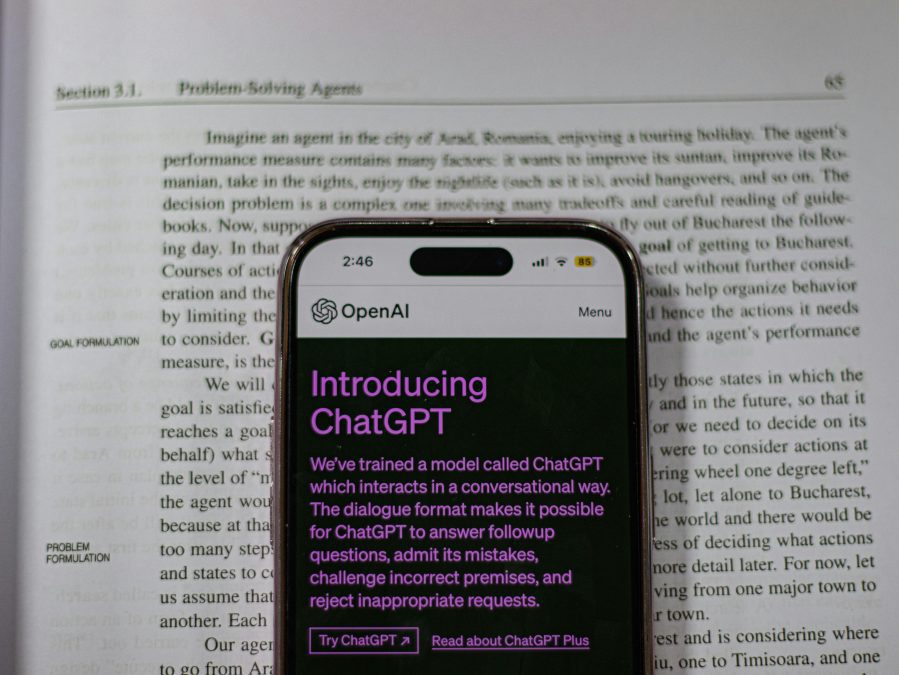
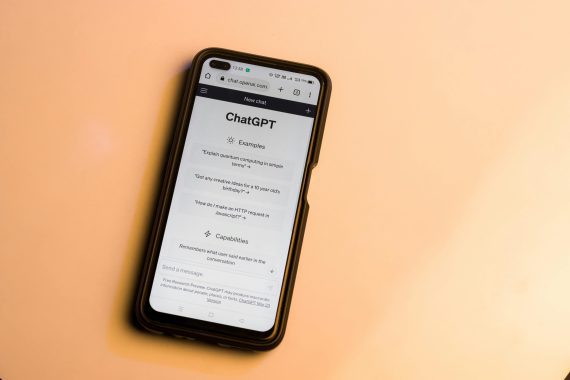
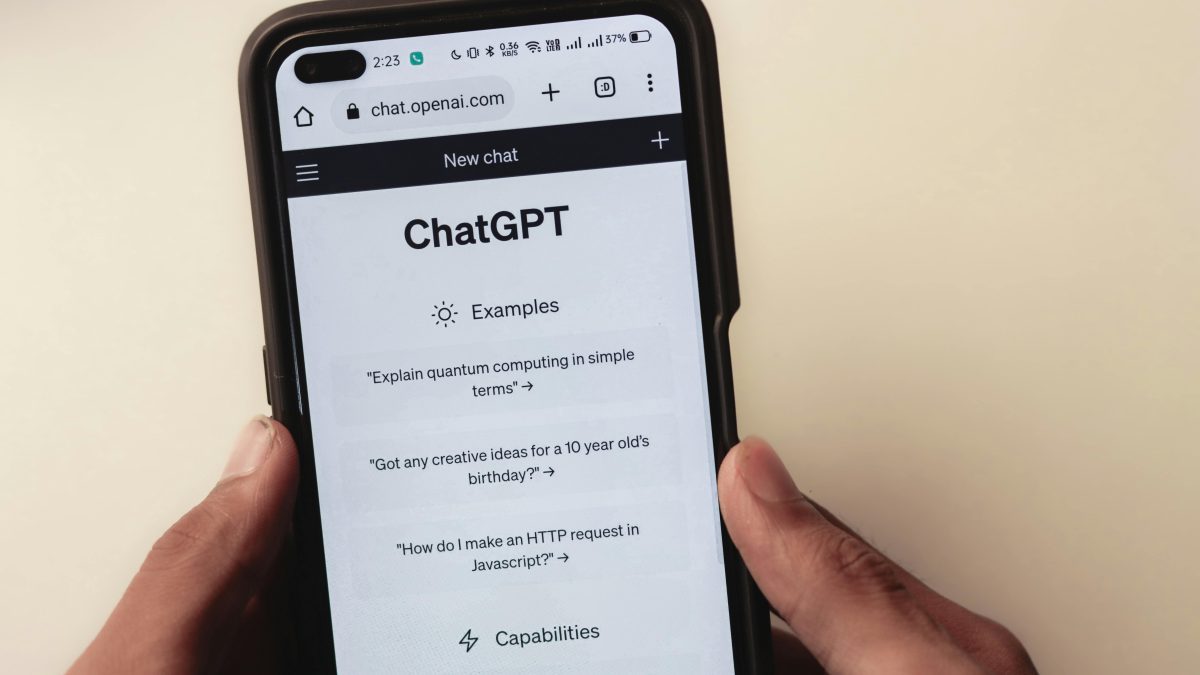
But Houser says he began writing the book “a good year” before OpenAI’s ChatGPT went live to the masses in 2022, complete with a logo eerily similar to his fictional creation.
Instead, it was humanity’s technological dependency during Covid – at a scale he’d underestimated – that inspired his thinking.
In his novel – which sometimes feels monologue-heavy – Houser envisions a hyper-digital, alienating world where people retreat from deepening political problems into a spiral of social media and generative AI.
Enter CEO of Tyburn Industria, Mark, who dreams of building the Ark, an immersive gaming experience users can enter in order to reconnect with themselves. It generates a world and mission tailored to each player’s innermost wants and needs.
But during testing, the Ark becomes a Pandora’s box of addiction. Some players find joy; others encounter terror. One even reconnects with his dead sister.
Meanwhile, a rogue AI bot named NigelDave slips into the real world, controlling minds and engineering realities no one can control.
Mined for advertising, people are left wondering if their thoughts are genuine. Everything is tracked, and nothing is secure. As climate emergencies intensify, society falls into pockets of civil war.
The only way to escape is to “drift”,- which means hiding from a thousand algorithms by living off-grid, constantly moving and suppressing maddening paranoia that your thoughts are not your own.
Mirroring our world
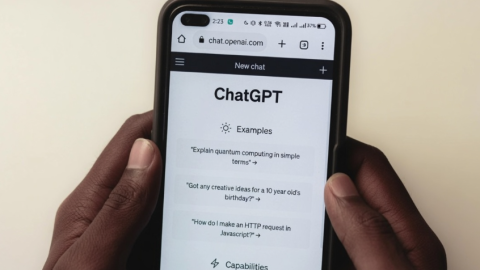
To the reader, NigelDave feels like a nightmare ChatGPT gone wrong.
The AI tool recently reached 800 million weekly active users, according to boss Sam Altman, and Houser believes some people are becoming dependent on the technology’s affirming “human veneer”.
Microsoft’s head of AI, Mustafa Suleyman, has warned of a rise in AI psychosis – a non-clinical term describing incidents where people increasingly rely on chatbots like Claude, Grok and ChatGPT and become convinced that something imaginary has become real.
In some cases, the chatbot fuels grandiose fantasies about future opportunities. In others, it presents in a romantic connection. More troubling are reports of parents saying bots have encouraged their children to kill themselves.
In response to the increased scrutiny, ChatGPT creator OpenAI recently tightened its welfare protocols, with updates designed to ensure its chatbot responds “safely and empathetically to potential signs of delusion or mania”.