Advertisement
Civil servants pay rise: Who qualifies for Ruto’s salary increase?
02nd July, 2026 03:23 PM
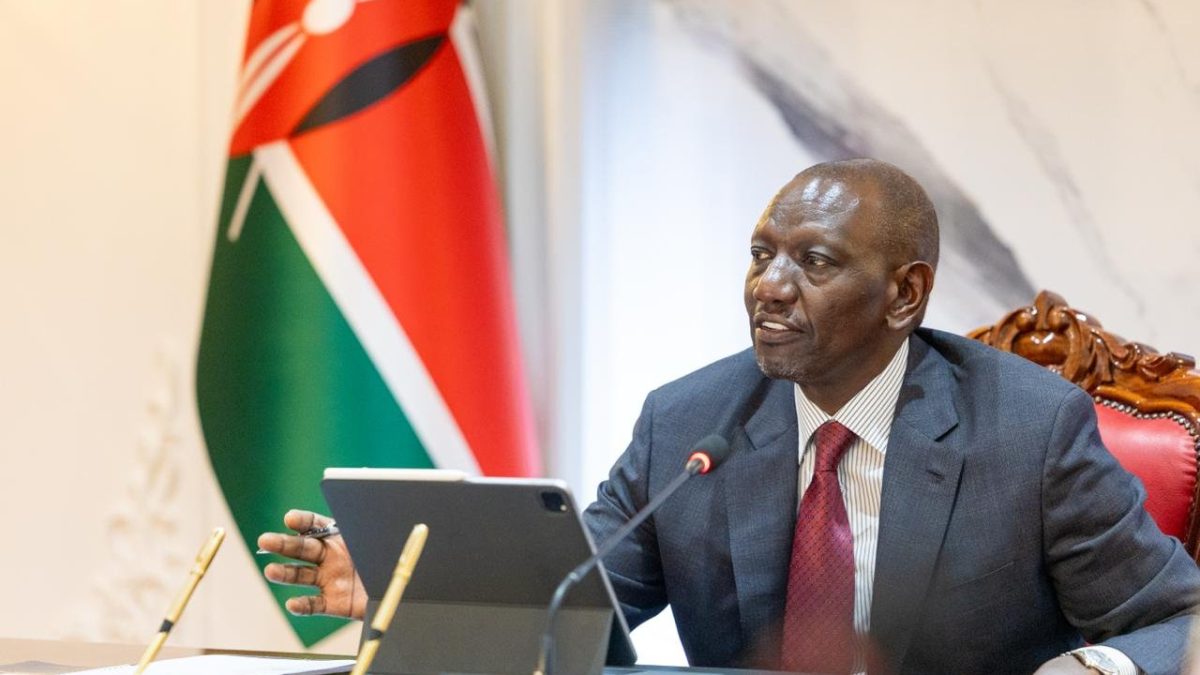
A major financial shift is officially hitting the bank accounts of thousands of Kenyan public sector workers as the government rolls out a comprehensive salary and allowance upgrade. This nationwide pay boom comes as a direct order from President William Ruto, who mandated an immediate review of the remuneration packages tied to the civil service.
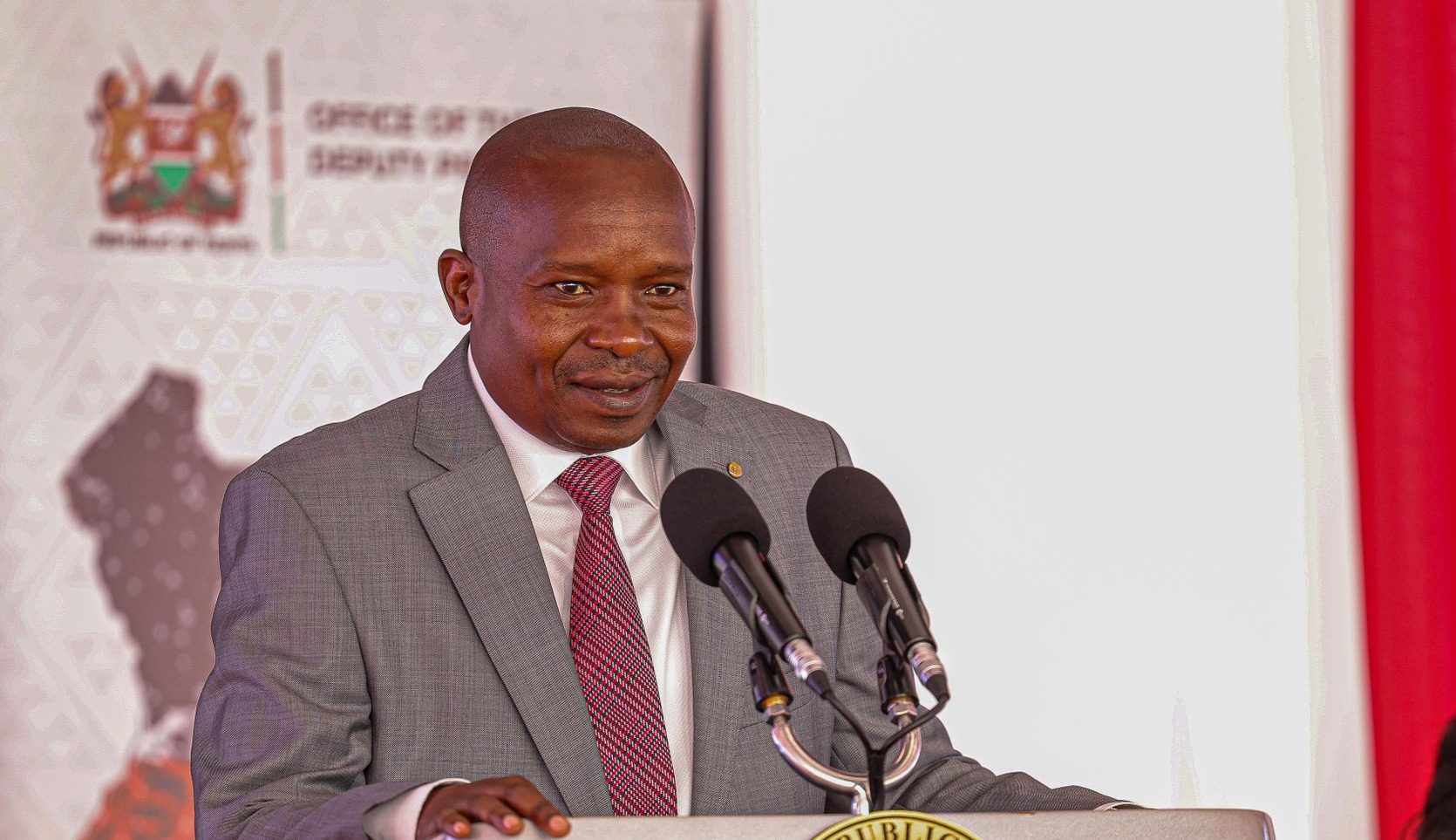
Public Service Cabinet Secretary Geoffrey Ruku formally delivered the directive on Tuesday, June 23, 2026, anchoring the announcement within the high-profile Public Service Week celebrations hosted at the Kenyatta International Convention Centre in Nairobi.
The primary catalyst behind this sweeping presidential directive is the steep and persistent rise in the cost of living across Kenya. For an extended period, civil servants and their households have been forced to navigate aggressive inflation that has driven up the market prices of basic commodities and daily essentials.
Families have watched their purchasing power diminish under the weight of expensive food items, rising fuel margins, volatile electricity tariffs, costly public transport, and steep housing rents.
Broad categories of workers who qualify
The structural adjustments are precisely tailored to upgrade gross pay alongside two vital cash buffers: the housing allowance and the commuter allowance. The Ministry of Public Service confirmed that every standard tier of the public service infrastructure qualifies for this multi-billion shilling upgrade, ensuring that desk officers, frontline field workers, and technical personnel alike notice the change in their upcoming pay slips.
Within this framework, the single largest bloc of beneficiaries comes from the education sector, where over 400,000 tutors registered under the Teachers Service Commission are fully integrated into the salary adjustments. This upgrade works in tandem with their running multi-year Collective Bargaining Agreements to guarantee a substantial lift.

Joining them are the academic lecturers and non-teaching administrative staff distributed across all public universities nationwide, who are captured under the revised treasury funding pool. Frontline medical practitioners, including nurses, clinical officers, and laboratory technicians working throughout public health institutions, are also fully covered, receiving enhanced allowances designed to reflect the demanding nature of their duties.
The safety and security apparatus of the state has been given equal priority in this welfare expansion. Men and women in uniform, spanning the National Police Service, correctional facility guards, and the specialized units of the Kenya Defence Forces, are centrally integrated into the payroll adjustments to bolster morale within national security organs. Furthermore, the directive cuts across all administrative arms of the state, covering civil servants stationed inside national ministries, state departments, and parastatal agencies.
Crucially, the salary lift extends to local government workers deployed across all 47 counties, making it a universal upgrade for localised public servants. To preserve fiscal balance and enforce economic austerity, Senior State Officers, such as the President, Deputy President, Cabinet Secretaries, and Members of Parliament, are completely excluded from this salary review.
Strict compliance timelines
While the administration has cleared the financial channels to release these new billions, it has coupled the salary increase with a strict accountability condition aimed at fixing the public wage bill.
President Ruto ordered that all ministries, state departments, independent agencies, and county governments must immediately migrate their independent payroll architectures onto a centralised government platform known as the Human Resource Information System.
The timeline given by the state to complete this technological migration is brief and carries severe administrative penalties for non-compliance. Cabinet Secretary Ruku delivered a zero-tolerance warning to all accounting officers, institutional heads, and county governors, giving them a strict one-month window from the June 23 announcement to plug into the unified system.
“To ensure efficiency and proper use of public resources and taxes, the President has directed that all ministries, county governments, agencies, and state departments must be on one payroll platform, the Human Resource Information System,” Ruku said
The automated architecture is built to automatically block any state department or county government that fails to transition within the thirty-day limit, meaning that non-compliant institutions will be completely locked out of salary remittances.
Consequently, any delay by county executives or ministry heads will result in the total freezing of July salary processing for their entire workforce, putting the responsibility of timely implementation directly on the institutional leadership.
“All departments that will not have complied within one month will not remit your salaries,” Ruku added.
Author
Steve Ireri
Steve is a senior writer with over four years of experience in digital journalism. His focus is on the showbiz and human interest stories. Emails: [email protected] , [email protected]
View all posts by Steve Ireri