Advertisement
Cervical Cancer Awareness Month: KNH urges girls to go for free HPV vaccines
20th January, 2026 03:04 PM
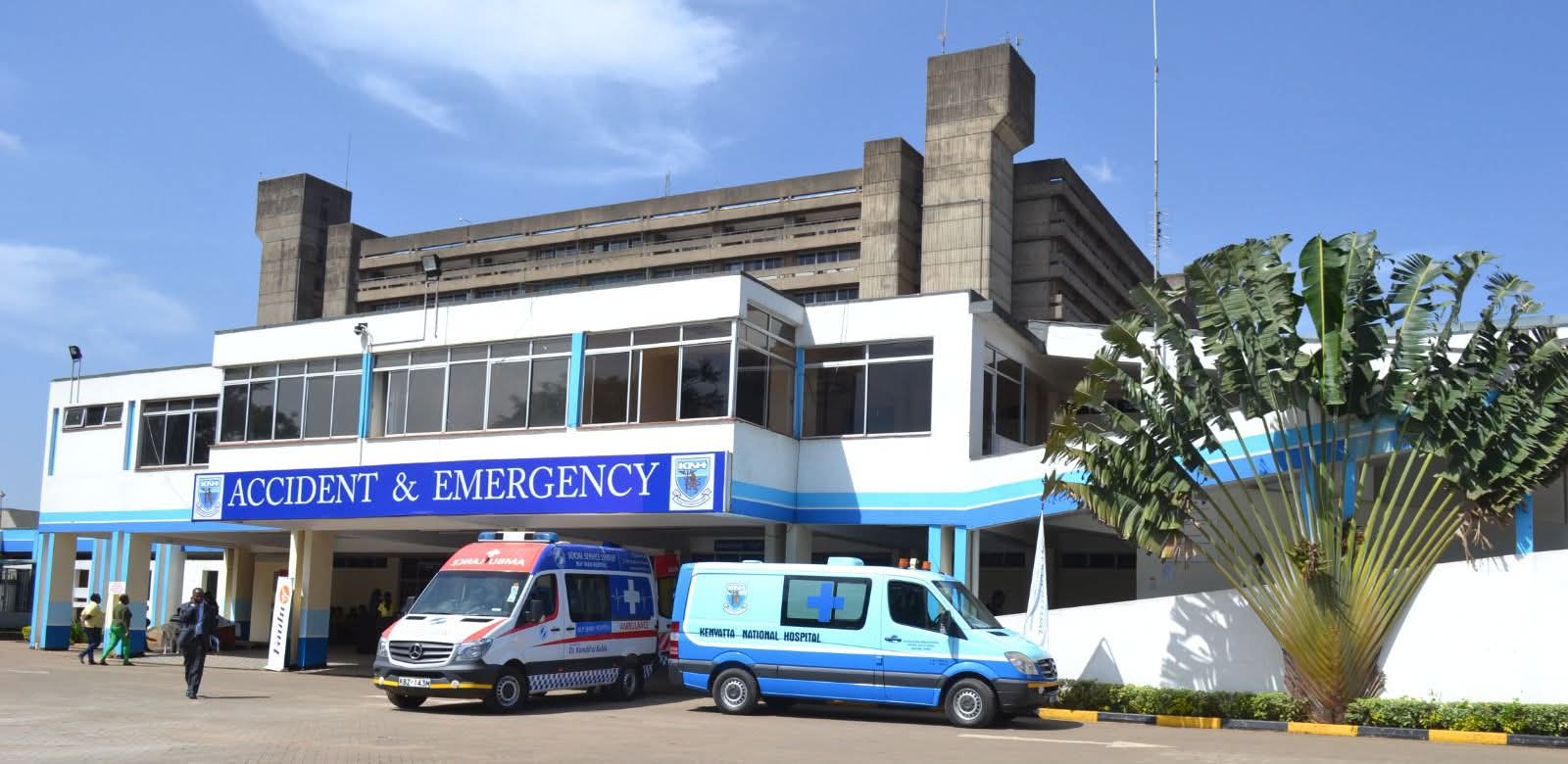
The Kenyatta National Hospital shared on Tuesday, January 20, 2026, that they are offering free Human Papillomavirus (HPV) vaccination for girls aged between 10 and 14 years.
Through a post on their official social media X account, the hospital made it public that they are welcoming all girls for the activity.
The hospital added that the free vaccination was aimed at aiding efforts to eliminate cervical cancer.
“The KNH family welcomes our girls for the free HPV vaccination aimed towards eliminating cervical cancer,” the post read.
This vaccine is available at the daycare centre, 2nd floor, in the immunisation clinic.

Cervical cancer elimination drive
On the same day, Health Cabinet Secretary Aden Duale presided over a National Symposium in Nairobi to officially launch Kenya’s National Cervical Cancer Elimination Action Plan (2026–2030).
This strategic roadmap sets out a comprehensive national path to address cervical cancer, which remains one of the leading causes of cancer-related mortality among women in the country.
The two-day forum, organised during Kenya Cancer Awareness Month, provided a platform to review global and national progress in the prevention, screening, diagnosis, and treatment of the disease.
Participants worked to identify remaining gaps in service delivery and access to care, ensuring that the new strategy addresses the real-world barriers faced by Kenyan women.

The resulting action plan is both costed and results-orientated, specifically designed to align with the World Health Organisation’s global 90–70–90 targets.
These ambitious targets aim to ensure that 90 per cent of girls are fully vaccinated against the Human Papillomavirus (HPV) by age 15, 70 per cent of women are screened with a high-performance test, and 90 per cent of those diagnosed with cervical disease receive timely treatment.
This alignment is part of a broader global strategy to eliminate cervical cancer as a public health threat through coordinated, evidence-based interventions.
To achieve these goals, the Plan adopts a continuum-of-care approach that prioritises high-impact areas. By focusing on expanded and equitable screening, prompt treatment, and dedicated long-term follow-up, the government aims to ensure that no woman or girl is left behind.