Advertisement
5 mistakes to avoid when applying for loan
21st November, 2025 01:40 PM
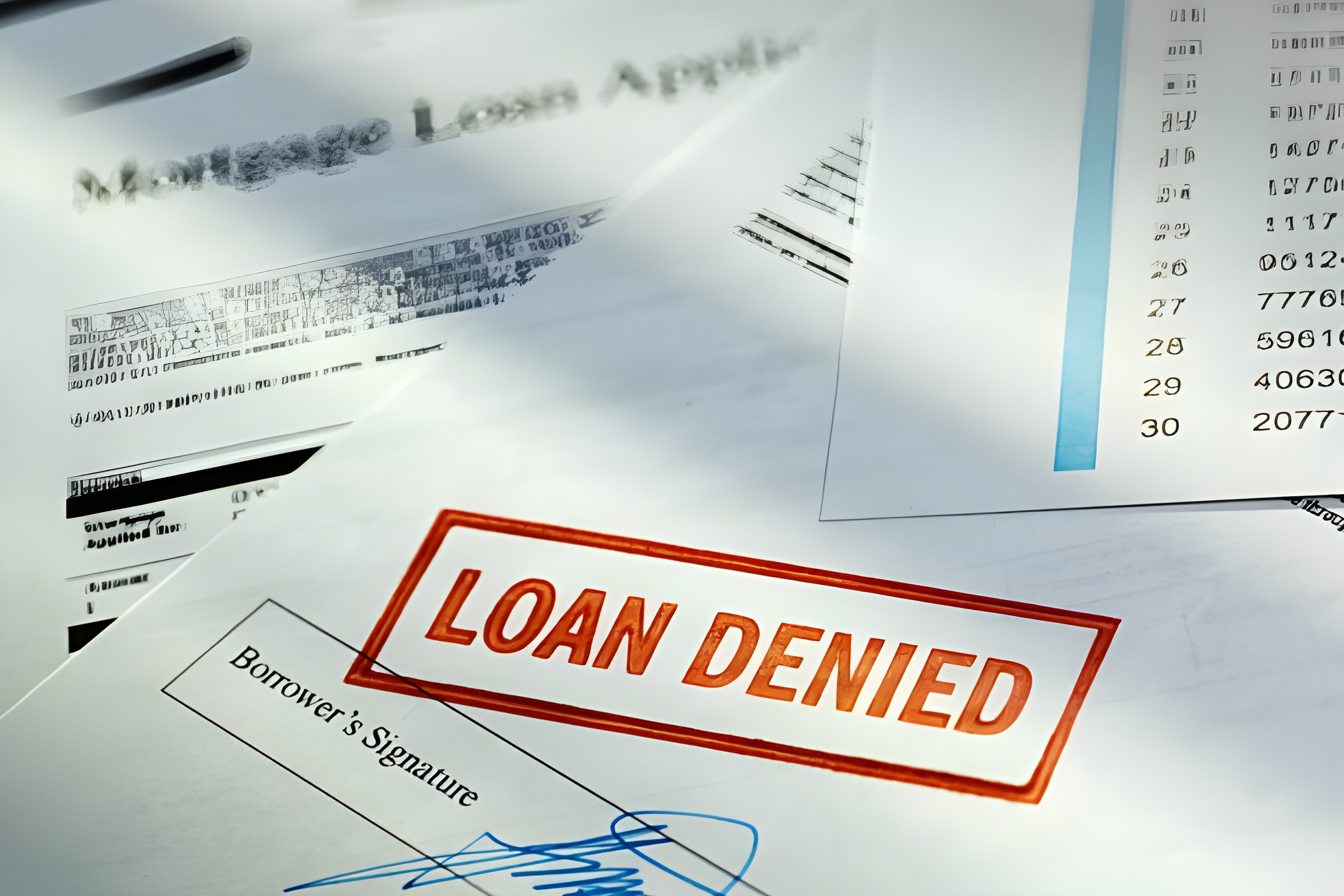
Borrowing is easy; repaying is the hard part. This common saying has never been more relevant than it is today.
Credit has become fast, accessible, and tempting, with money available through banks, mobile apps, SACCOs, and digital lenders.
Yet many people walk into loan applications with excitement and leave months later with stress, penalties, and damaged credit profiles.
A loan can be denied or approved, but certain mistakes will still follow you long after the cash is spent.
These errors are obvious but painfully costly. They quietly weaken financial stability and trap borrowers in cycles that are difficult to escape.
Misrepresenting your income

Some people assume that exaggerating income increases approval chances. In reality, it often destroys credibility.
Most financial institutions now use integrated systems linked to employers, payroll platforms, and credit bureaus like the Government Human Resource Information System.
If you are formally employed, your salary can be verified almost instantly. When your declared income does not match what exists in these systems, lenders see it as dishonesty.
Even if you get approved, the consequences linger. You may receive a larger loan than you can handle, leading to struggle, delayed payments, and eventual blacklisting. Honesty protects your future borrowing power.
Applying without understanding your credit history
Many borrowers apply without knowing what their credit report says. This report reflects your past behaviour with money.
It shows late payments, defaults, and the frequency of borrowing.
A weak credit profile does not always lead to rejection. Sometimes it results in approval with very high interest rates and unfavourable terms. You end up paying far more than planned.
Checking your credit status before applying allows you to correct errors, improve your profile, and make smarter decisions. Awareness puts you in control instead of leaving your fate to algorithms.
Treating loans as extra income instead of a responsibility
A loan is borrowed money, not sudden wealth. Unfortunately, some borrowers treat it like a reward or emergency lifestyle upgrade.
They spend on non-essential items, celebrations, gadgets, or impulse purchases. The excitement fades quickly, but the repayment deadline remains fixed.
This mindset creates emotional spending and financial pressure. When repayment time arrives, basic needs begin competing with loan obligations. Stress replaces comfort, and the cycle deepens.

A loan should solve a real problem or create value. It should support growth, not fuel short-term pleasure.
Ignoring the true cost of the loan
Many people focus only on the amount received and the interest rate advertised. However, loans come with additional costs that silently inflate the total repayment.
Processing fees, insurance charges, penalties, rollover costs, and late fees can double the amount owed. These details are usually buried in fine print that most borrowers skip.
Signing without full understanding can turn a manageable loan into a financial nightmare. Every agreement deserves careful reading and a clear explanation.
If a clause is confusing, ask questions. If the process feels rushed, take a step back. Informed decisions prevent costly regrets.
Borrowing without a clear repayment plan

Hope is not a repayment strategy. Too many people borrow with vague intentions to adjust later. Life, however, rarely becomes easier after adding debt.
Without a structured plan, missed payments begin to stack up. Penalties grow fast. Credit history suffers. Access to future financial services becomes limited.
A reliable repayment plan must be built around stable income and realistic expenses. It should factor in emergencies, savings, and daily living costs.
If the numbers do not balance on paper, they will not magically balance in reality.