Advertisement
World Cancer Day: Simple awareness tips that could save lives
04th February, 2026 08:35 AM

Cancer remains one of the most serious health challenges worldwide, but simple awareness and early action can make a real difference.
Every year on February 4, World Cancer Day is observed to raise awareness, educate the public about prevention, early detection, and treatment, and encourage support for those affected.
In 2025, the Kenya Ministry of Health announced that the country records an estimated 45,000 new cancer cases and around 29,000 cancer-related deaths annually.
Cervical cancer alone accounts for roughly 5,845 new cases and 3,600 deaths each year, highlighting the urgent need for awareness, early detection, and preventive measures such as vaccination and regular screening.
Know the early signs
The Union for International Cancer Control (UICC) explains that recognising early warning signs is one of the most important ways to protect yourself.
Persistent changes in the body, such as unusual lumps, unexplained weight loss, chronic fatigue, or skin changes and molesshould never be ignored.

Early detection significantly increases the chances of successful treatment, and consulting a healthcare professional promptly is crucial if any symptoms appear.
Regular screening
Screening tests are designed to identify cancer before symptoms develop. Depending on age and risk factors, these may include mammograms, Pap smears, colonoscopies, or prostate checks.
The World Health Organisation (WHO) emphasises that routine screenings can detect cancer early when treatment is most effective, making them a powerful tool in reducing mortality.
Adopt healthy habits
According to the WHO, lifestyle choices play a key role in lowering cancer risks. Eating a balanced diet, staying physically active, limiting alcohol consumption, avoiding tobacco, and protecting your skin from the sun all contribute to long-term health.

Even small steps like walking daily or adding more fruits and vegetables to meals can make a lasting impact on your overall well-being.
Vaccinations can prevent cancer
Certain vaccines, such as the HPV vaccine, play a critical role in preventing cancers, including cervical cancer, which remains one of the most common cancers among women globally.
According to the World Health Organisation (WHO), staying up to date with recommended vaccinations not only protects the individual receiving the vaccine but also helps safeguard the wider community by reducing the spread of virus-related cancers.
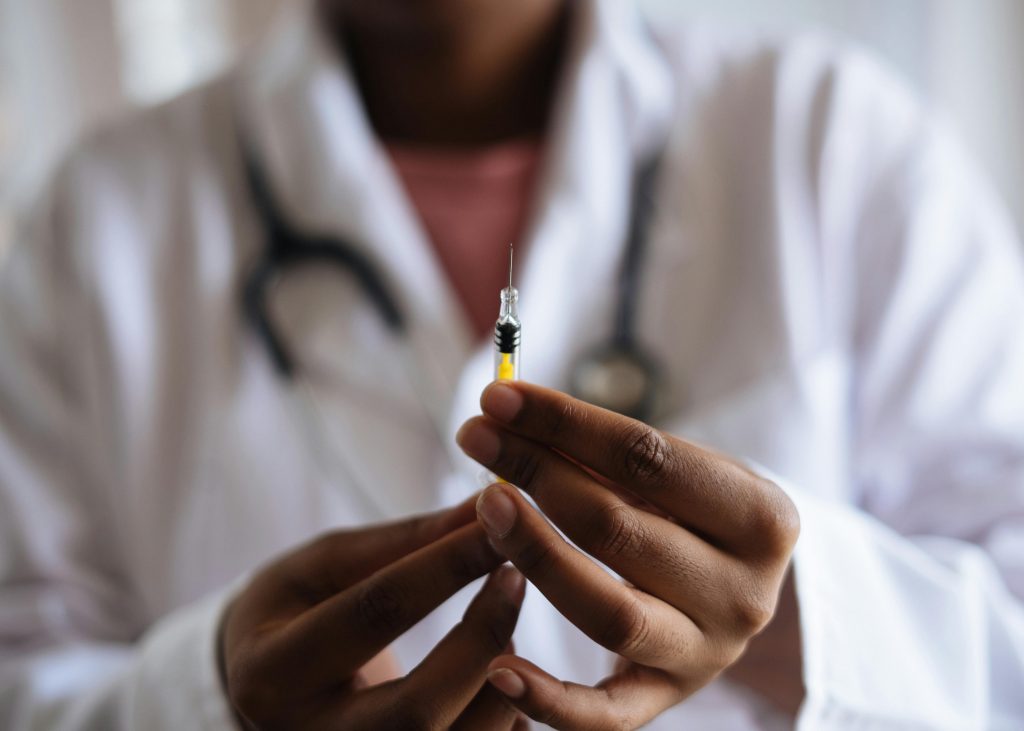
By ensuring timely immunisations, individuals contribute to lowering the overall risk of preventable cancers, creating a healthier environment and supporting long-term public health goals.
Support mental and emotional health
Cancer affects more than the body; it also impacts mental and emotional well-being. Providing emotional support to patients, survivors, and caregivers is vital. Counselling, support groups, or simply checking in on loved ones can offer comfort and reassurance.
Access to credible information and local support networks helps patients and families navigate the disease with confidence.
Hotlines, nonprofit organisations, and online communities offer advice, treatment options, and emotional support, empowering individuals to make informed decisions.
Author
William Muthama
William Muthama is a digital journalist with a focus on entertainment, human interest, and current affairs. Share stories: [email protected]/ [email protected]
View all posts by William Muthama