Why you feel hungrier on cold rainy days
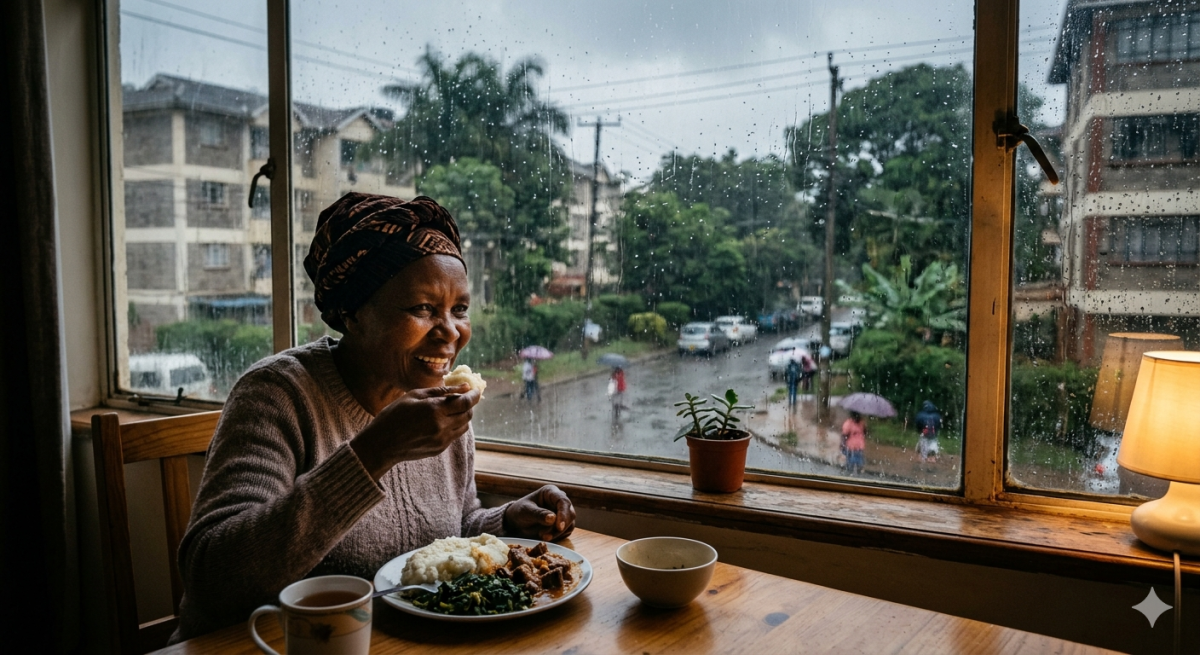
By Katemarthason Okudo, May 12, 2026There is something about a cold, rainy day that makes food feel more tempting. A warm cup of tea, a plate of comfort food, or an extra snack often feels more satisfying when the weather turns gloomy. Many people notice they feel hungrier when temperatures drop and often wonder whether their body is actually asking for more food or if it is simply a craving triggered by the weather.
Health experts say there is some scientific basis for this feeling. The body works hard to maintain its normal internal temperature, usually around 37 degrees Celsius. According to information from the Mayo Clinic, when the weather is cold, the body burns extra energy to stay warm through a process known as thermoregulation. This can slightly increase calorie use, which may explain why appetite rises during chilly conditions.
However, this increase is usually small unless someone is spending long hours outdoors in very low temperatures. For most people staying indoors during rainy weather, hunger is not always a direct sign that the body needs significantly more food.
Why rainy weather makes comfort food more appealing
Cold and rainy days also affect mood, which can influence eating habits. Research highlighted by the National Institutes of Health shows that gloomy weather can lower serotonin levels, the brain chemical linked to mood and emotional balance.
When serotonin dips, many people naturally crave carbohydrate-rich foods such as bread, potatoes, rice, or sugary snacks because these foods temporarily help boost serotonin production. This is why rainy afternoons often trigger cravings for heavier meals or sweet treats.
There is also a psychological connection. Rainy weather often slows daily routines, encourages people to stay indoors, and creates a desire for comfort. Food becomes part of that comfort, especially warm meals associated with relaxation and safety.
Should you actually eat more?
The answer depends on your activity level and your body’s signals.
According to guidance from the Cleveland Clinic, it is important to distinguish between physical hunger and emotional craving. Physical hunger builds gradually and is often accompanied by signs such as stomach growling, low energy, or difficulty concentrating. Emotional hunger tends to appear suddenly and is often focused on specific comfort foods.
If you are genuinely hungry, it is okay to eat. The key is choosing nourishing foods that satisfy the body without leading to overeating. Warm soups, oats, whole grains, nuts, boiled eggs, and herbal tea can provide comfort while keeping energy balanced.
If the craving is more about the mood the rain creates, other comforting habits can help. Wrapping up in a blanket, taking a warm shower, reading, or light indoor movement can provide the same sense of comfort without relying entirely on food.
Listen to your body wisely
Feeling hungrier on cold rainy days is normal and often a mix of biology, mood, and habit. While your body may need a little extra warmth and energy, it usually does not require dramatically more food.
The best response is mindful eating, enjoying satisfying meals while paying attention to what your body is truly asking for.