Why pool table is a profitable business in Kenya
By David Nthua, May 5, 2026At first glance, a pool table looks like just another game. A few balls, a cue stick, a group of friends passing time.
But behind that simple setup is one of the most quietly profitable small businesses in Kenya.
The secret is not in complexity. It is in consistency.
The math is simple and it works
In many places across Kenya, a single pool game goes for about KSh 20. It sounds small. Almost negligible.
But break it down.
If you have just 30 games in a day, that is KSh 600. And that is on a slow day.
On busy days, especially weekends or evenings, a single table can easily host 80 to 100 games.
That translates to around KSh 2,000 or more in a single evening.

And the best part is this. The table does not get tired. It keeps generating money as long as there are players.
Low running costs, high returns
Compared to many businesses, pool tables are cheap to maintain.
Once you buy the table, the main costs are rent, licensing, and maybe an attendant. There are no perishable goods, no daily stock, and minimal losses.
In fact, starting a pool table business in Kenya can cost roughly between KSh 100,000 and KSh 150,000 depending on the setup.
After that, the table becomes an income generating asset.
With reports showing a single table can bring in about KSh 1,000 daily on average, the return on investment can come faster than many small businesses.
High demand, especially among youth
One thing that makes this business work is demand.
Pool is affordable entertainment. For just a few coins, people get to compete, socialise, and pass time.
That is why you will find pool tables almost everywhere. Outside shops, in estates, inside bars, and even in small towns.
The customer base is wide. Students, boda boda riders, office workers, and even casual passersby.
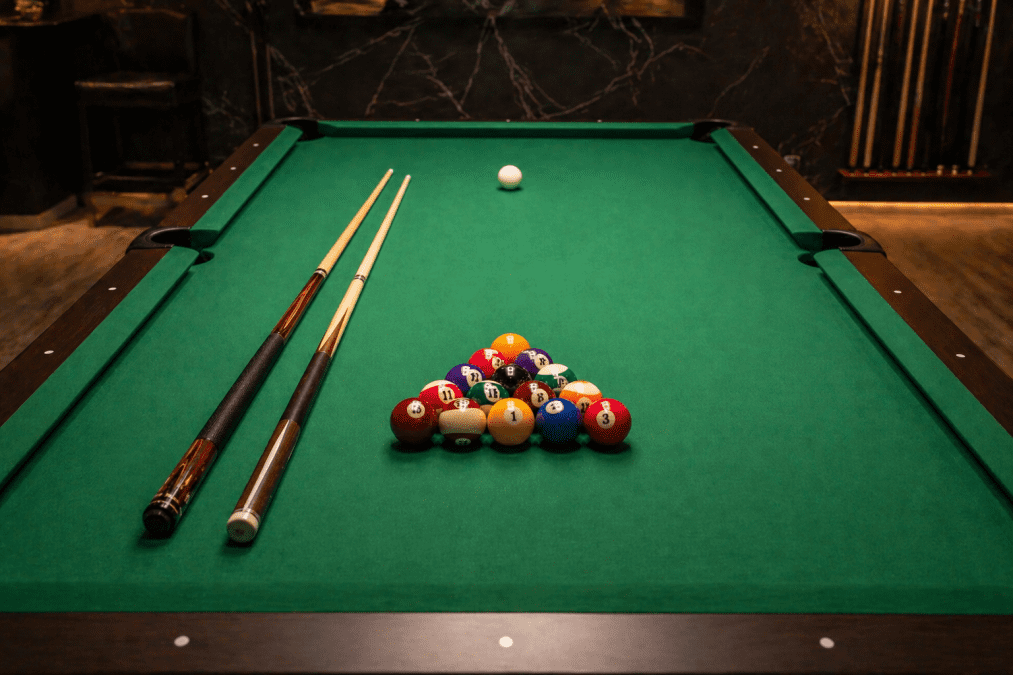
And because each game takes a short time, turnover is high. One group leaves, another takes over.
Location is everything
Not every pool table makes money. The difference is where you place it.
Busy areas like estates, shopping centres, and near bars tend to perform better. High foot traffic means more players, and more players mean more games per day.
Urban centres like Nairobi, Kisumu, Nakuru, and Eldoret are especially ideal because of population density.
A well placed table can stay occupied for hours without breaks.
Weekends and evenings change everything
If weekdays bring steady income, weekends bring serious business.
Evenings are peak hours. People are done with work, looking to relax, compete, or just hang out. It is not unusual for a single table to be fully occupied for hours.
Add weekends to the equation and the numbers rise quickly.
What looked like a small KSh 20 game becomes a steady stream of income.
Scalability is the real game
One table is good. Two or three tables are better.
The more tables you have, the more games you host, and the more money you make. That is why many operators expand once they stabilise.
Some even combine pool with other businesses like bars or entertainment spots, increasing overall revenue.
Not without challenges
Like any business, it is not perfect.
Location mistakes, poor management, or local disruptions can affect income. Some operators also face issues like licensing or enforcement challenges.
But overall, the model remains strong when done right.