Advertisement
Why police use water canons during protests
19th May, 2026 12:28 PM
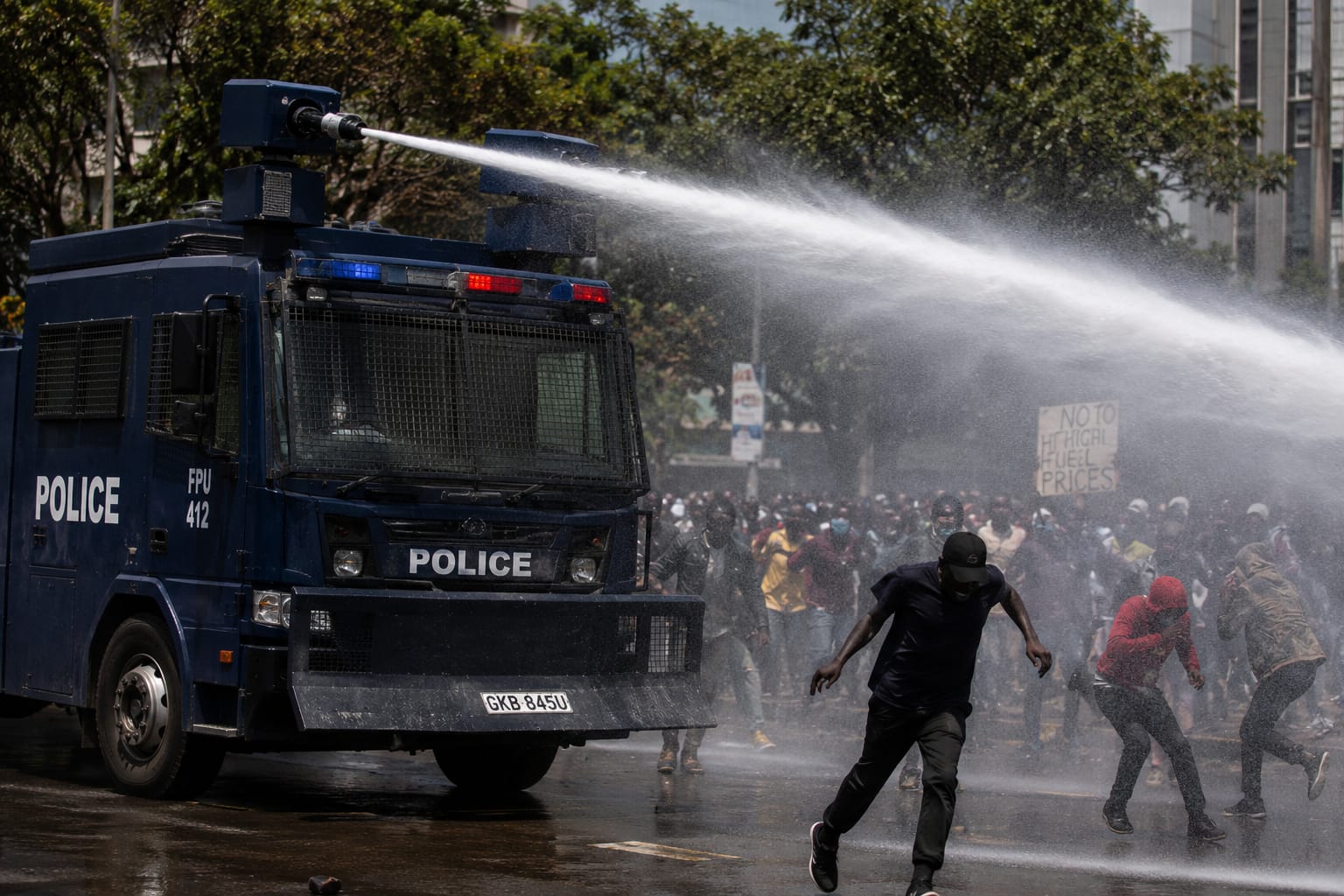
Police officers often deploy water cannons during demonstrations to control crowds, disperse protesters, and prevent destruction of property without immediately resorting to firearms. Water cannons are considered part of non-lethal crowd control equipment used by security agencies across the world during riots, strikes, and violent protests.
Water cannons work by spraying high-pressure streams of water to push crowds away from roads, government buildings or business premises. Police normally use them when protesters block highways, burn tyres or become violent.
The force of the water can break up large gatherings quickly and reduce direct physical confrontations between officers and demonstrators.
Security experts say water cannons are preferred because they can control crowds from a distance. In many cases, they are used together with tear gas and riot shields. However, human rights groups have previously warned that misuse of water cannons can cause injuries, especially when used at close range or mixed with chemicals.
Fuel protests intensify
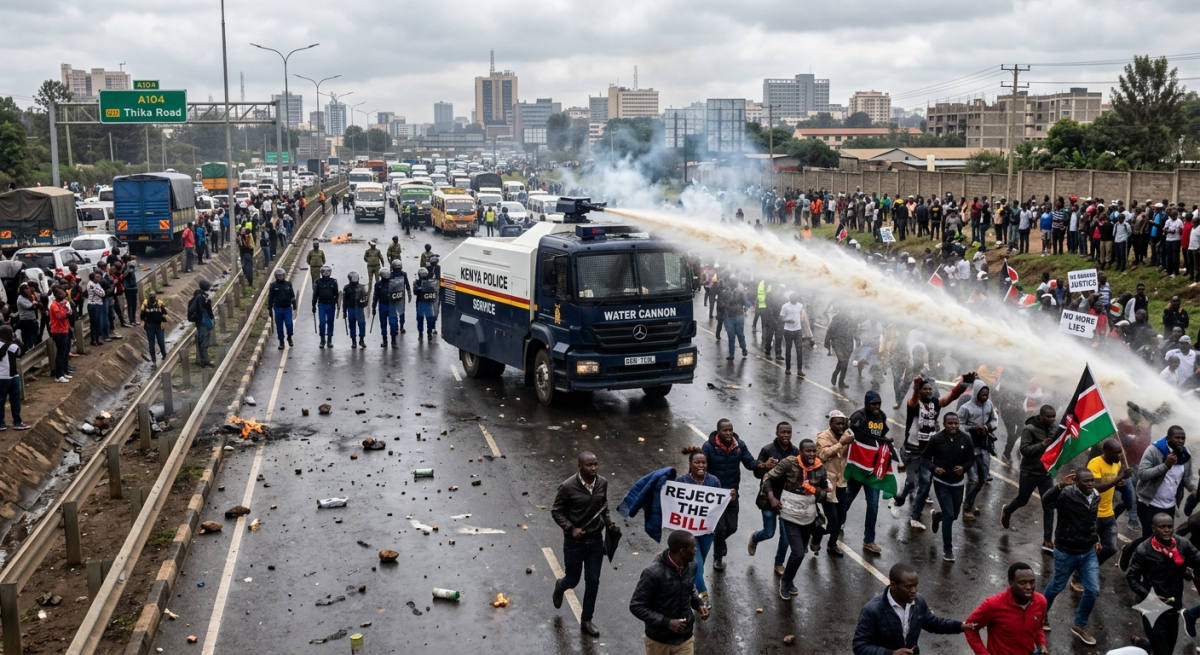
On Tuesday, May 19, 2026, police in Kenya were again seen using water cannons against protesters in Githurai as nationwide demonstrations over the rising cost of fuel entered day two. The protests disrupted transport services in several towns, leaving thousands of commuters stranded as matatus stayed off the roads.
The latest protests were triggered by sharp fuel price increases announced by the Energy and Petroleum Regulatory Authority (EPRA). Diesel prices rose significantly in recent weeks, pushing transport operators to demand government intervention.
On Monday, May 18, 2026, at night, leaders of matatu owners’ associations held a dramatic meeting with Energy Cabinet Secretary Opiyo Wandayi and Transport Cabinet Secretary Davis Chirchir in an attempt to end the nationwide strike. According to reports, the talks failed to produce a full agreement after operators demanded bigger reductions in diesel prices.
The government proposed measures aimed at reducing the gap between diesel and kerosene prices to prevent fuel adulteration. EPRA later announced adjustments showing diesel prices dropping by about KSh10, while kerosene prices increased.
Despite the negotiations, transport operators warned that protests and the strike could continue if fuel costs remain high, increasing pressure on commuters and businesses across the country.