Advertisement
Why passive smokers are at more health risk
13th May, 2026 01:53 PM

When the dangers of smoking are discussed, the focus is often on the person holding the cigarette. But there is another group exposed to serious health risks: passive smokers. Also known as secondhand smokers, these are people who inhale smoke from burning tobacco products or smoke exhaled by active smokers.
A common question many people ask is whether passive smokers are worse off than active smokers. While active smokers directly inhale larger amounts of toxic chemicals and therefore face a higher overall risk, passive smokers are still exposed to harmful substances that can significantly affect their health over time.
In some cases, the damage can happen quietly because many passive smokers may not realise how often they are being exposed.
What passive smokers breathe in
According to the World Health Organization (WHO), secondhand smoke contains more than 7,000 chemicals, hundreds of which are toxic and around 70 that are known to cause cancer. This means a person sitting near a smoker at home, in a car, or in enclosed social spaces is inhaling many of the same harmful substances as the smoker.
Unlike active smokers who choose to smoke, passive smokers are often exposed without consent. This repeated exposure can affect adults, children, and even unborn babies.
The major health risks
Research from the Centers for Disease Control and Prevention shows that passive smoking increases the risk of heart disease and stroke by damaging blood vessels and reducing oxygen flow in the body.
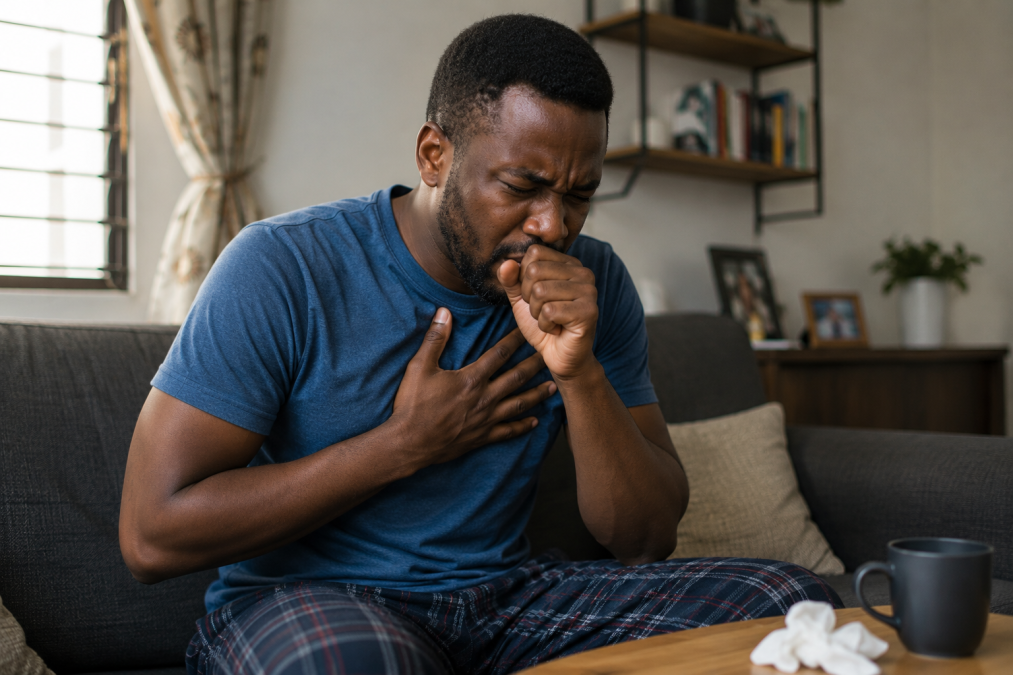
For non-smokers, regular exposure can lead to: Increased risk of lung cancer, breathing difficulties and asthma attacks, frequent chest infections, irritation of the eyes, throat, and nose, and reduced lung function over time.
Children are particularly vulnerable because their lungs are still developing. Exposure to secondhand smoke has been linked to bronchitis, pneumonia, severe asthma, and ear infections.
Pregnant women exposed to tobacco smoke may also face a greater risk of low birth weight and complications during pregnancy, as highlighted by findings from the American Lung Association.
Can passive smoking ever be “worse”?
Active smokers generally face greater direct exposure. However, passive smoking can become especially dangerous when exposure is frequent and prolonged, particularly in poorly ventilated spaces.
Some studies have shown that sidestream smoke, the smoke released directly from the burning end of a cigarette, can contain even higher concentrations of certain toxic chemicals than the smoke inhaled by the smoker. This means someone constantly exposed at home or work may be breathing in concentrated harmful particles without realising it.
Protecting yourself matters
Avoiding enclosed spaces where smoking happens remains one of the most effective ways to reduce risk. Keeping homes and cars smoke-free and encouraging smoke-free public environments can significantly lower exposure.