Why buying a car can cost more than building a home
By Katemarthason Okudo, May 14, 2026For many Kenyans, owning a car is often seen as a big step. It signals progress, convenience, and, for some, social status. The excitement of driving your own vehicle, avoiding daily public transport struggles, and enjoying the freedom of movement can feel like an important achievement.
But financial experts continue to caution that buying a car before investing in land or building a home may end up being one of the most expensive decisions many people make.
Car starts losing value immediately
Unlike land and property, a car is a depreciating asset. The moment it leaves the dealership or changes ownership, its market value begins to drop.
This means that while a car may give comfort and convenience, its worth reduces with every passing year. On the other hand, land in many parts of Kenya has consistently appreciated over time, especially in growing urban and peri-urban areas.
According to financial literacy studies in housing market reports from the Kenya National Bureau of Statistics (KNBS), property ownership often builds long-term wealth because it gains value and can generate future income through resale or rental opportunities. “Real estate remains one of the strongest wealth preservation tools due to long-term appreciation trends,” the KNBS stated.
Ongoing cost of car ownership
Buying a car is only the beginning of the financial commitment. There are recurring expenses that many first-time buyers underestimate. Fuel prices continue to fluctuate, insurance premiums can be costly, and maintenance bills often arrive unexpectedly.
There is also annual servicing, tyre replacements, parking fees, road licenses, and occasional repairs that can significantly strain a monthly budget.
For someone still building financial stability, these costs can quietly consume funds that could otherwise be directed toward purchasing land, paying off a mortgage, or starting a home construction project. In major towns such as Nairobi and Mombasa, parking and fuel costs alone can become a regular financial burden.
Land and housing build financial security
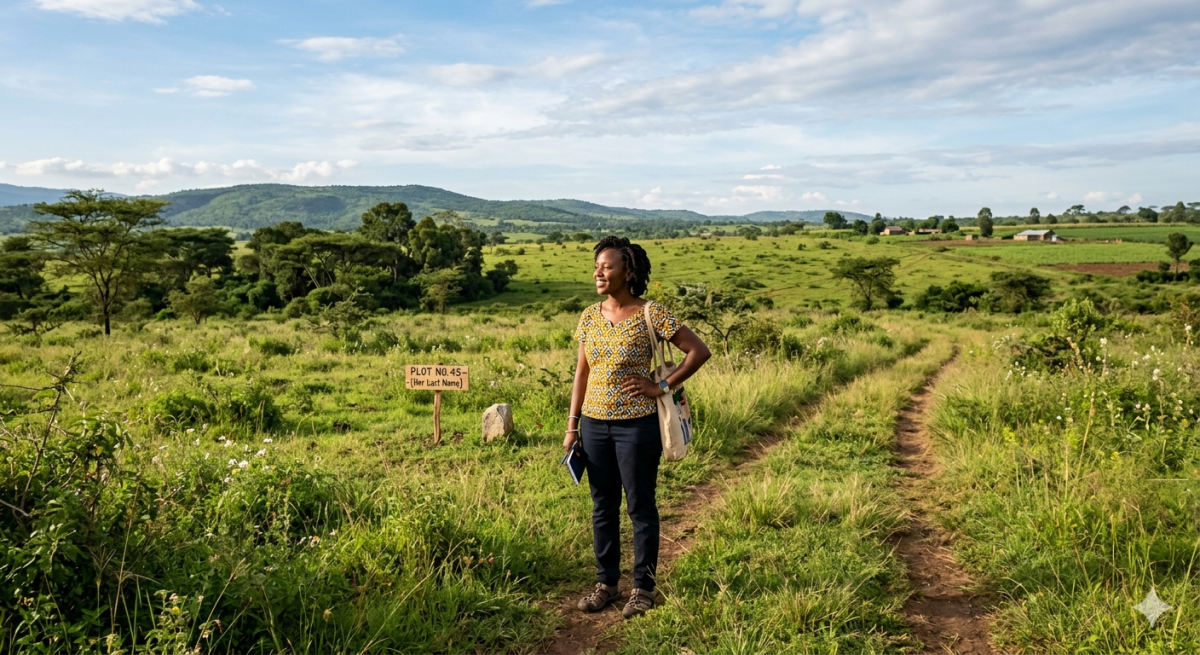
Owning land or a house offers something a car cannot: long-term financial security. A home reduces future rent expenses and gives stability. Land can be developed, leased, or sold at a profit depending on market demand. For many Kenyan families, property ownership also serves as a safety net and a form of generational investment that can be passed on.
Financial planners often advise young earners to prioritise appreciating assets first before taking on liabilities that require continuous spending. Choosing property before a car may not offer instant gratification, but it often creates stronger financial foundations.