Advertisement
What your fingernails may be revealing about your health
11th May, 2026 11:27 AM
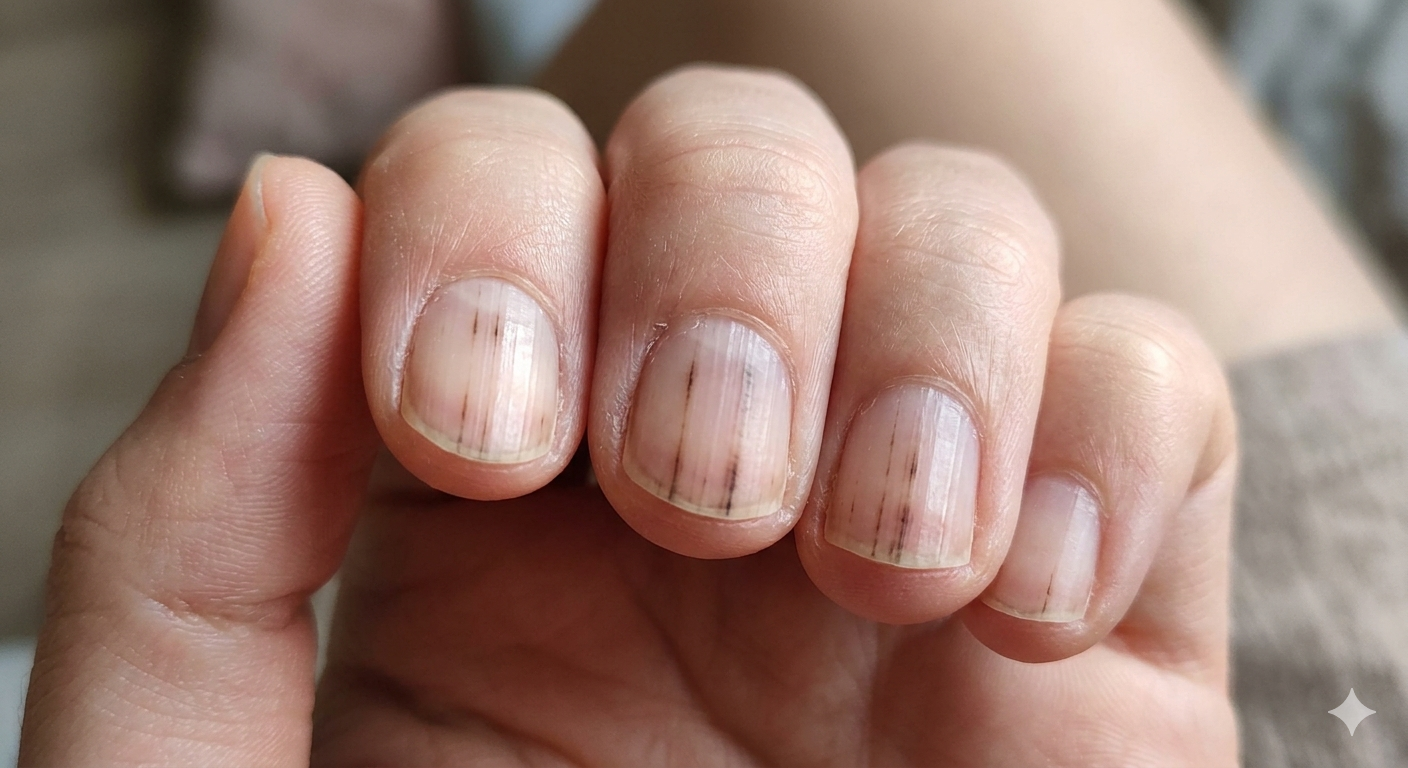
Most people trim, polish or clean their fingernails without giving them much thought. But beyond appearance, nails can quietly reflect what is happening inside the body. Changes in colour, texture or shape may sometimes point to nutritional deficiencies, infections, stress or other health concerns.
Healthy fingernails are usually smooth, slightly curved and pale pink in colour. While occasional marks or breakage are common, repeated or unusual changes should not be ignored. Experts say nails grow slowly, meaning they can show signs of health problems that may have developed weeks or even months earlier.
Pale or white nails could signal low nutrients
According to the Mayo Clinic, fingernails that appear unusually pale may sometimes be linked to low iron levels, poor nutrition or fatigue. In some cases, white-looking nails can also be associated with liver conditions or anaemia. People who constantly feel tired and also notice changes in their nails are often advised to pay closer attention to their diet.
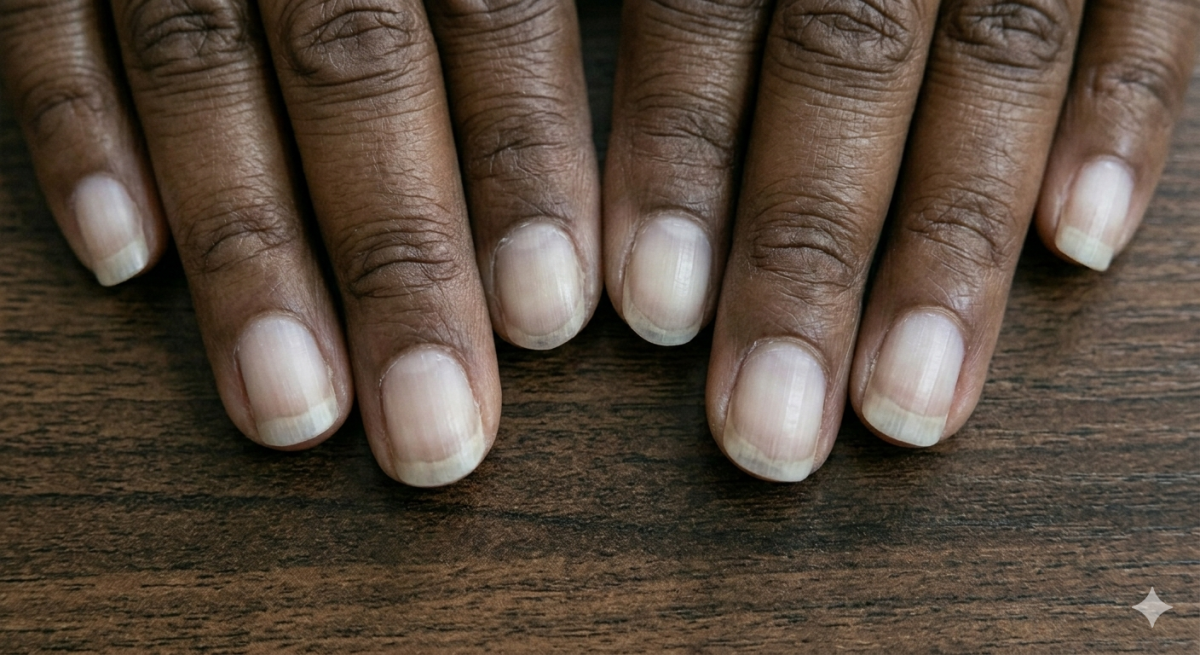
A lack of important nutrients such as iron, zinc and vitamin B12 may make nails weak or discoloured. Diets that rely heavily on processed foods and skip fruits, vegetables or proteins can affect nail strength over time.
Health experts recommend balanced meals with foods rich in iron, such as spinach, beans, liver and red meat, to support healthy nail growth.
Brittle nails and cracks may indicate daily habits
The Cleveland Clinic noted that nails that split easily or keep breaking are often blamed on weather or ageing, but everyday habits also play a major role. Frequent exposure to water, detergents and harsh chemicals can weaken nails and dry them out.
People who wash clothes by hand regularly or use strong cleaning products without gloves may notice their nails becoming soft or peeling. Constant use of nail polish removers can also damage the nail surface.
However, brittle nails may sometimes be connected to dehydration or thyroid-related conditions. Drinking enough water and keeping nails moisturised can help reduce breakage.
Dark lines, yellow nails and other warning signs
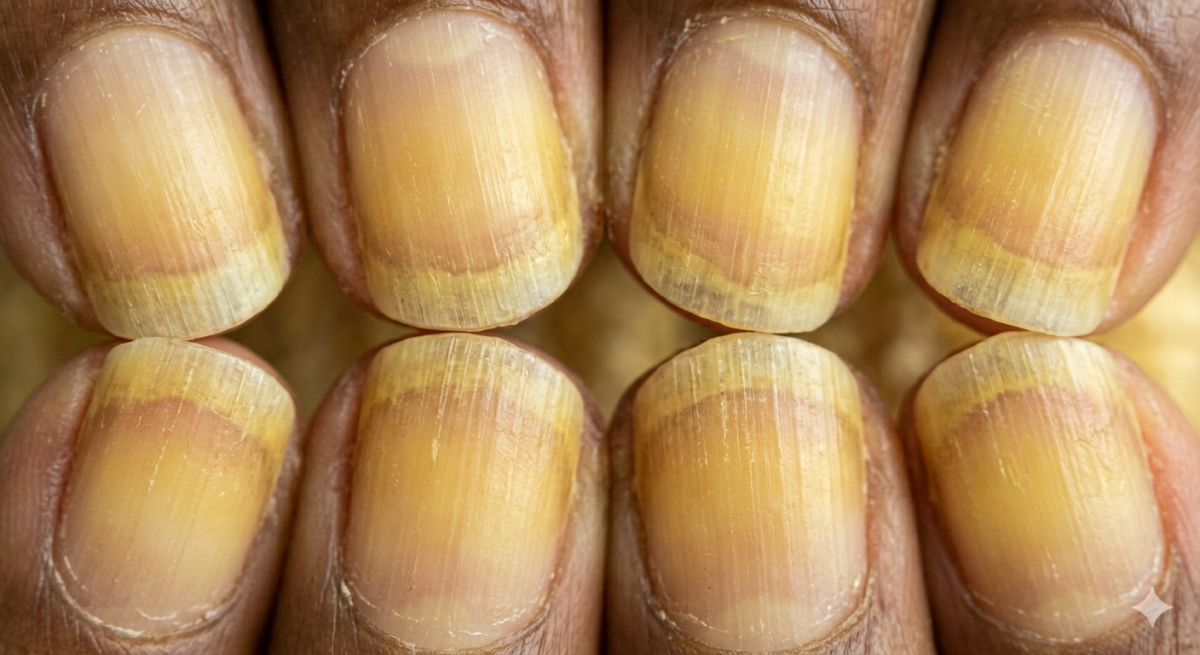
According to health information shared by the World Health Organisation (WHO) and dermatology experts, yellow nails are commonly linked to fungal infections, especially when the nails become thick or start crumbling. Smoking may also stain nails over time. In some situations, yellow nails may be associated with underlying health conditions affecting the lungs or immune system.
Dark streaks or black lines under the nail should also not be ignored, especially if they appear suddenly without injury. Medical experts advise seeking professional attention if unusual marks continue growing or change shape.
Another common change is small dents on the nail surface, known as pitting. This can sometimes appear in people living with skin conditions such as eczema or psoriasis.
Doctors say nails should be viewed as part of the body’s overall health picture. While not every change points to illness, persistent nail problems may be the body’s way of asking for attention.