Advertisement
Usiguze dereva mgongo and other funny stickers ever spotted in matatus
05th May, 2026 10:24 PM
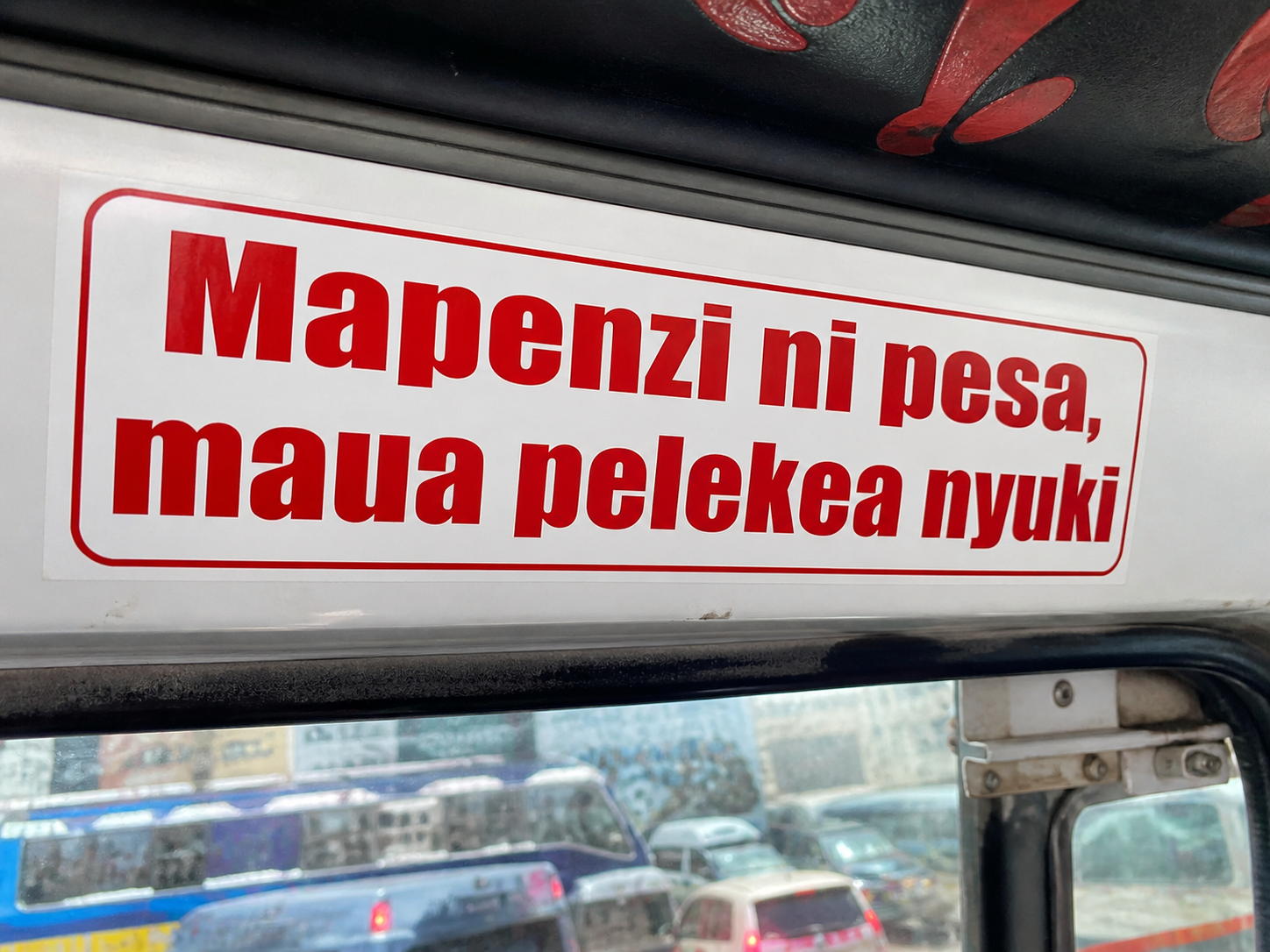
If you have used a matatu in Nairobi or any major town, you know the ride is never just about transport.
There is always something happening. Loud music, quick stops, the conductor shouting routes and fares. But then there are the stickers.
Small, sometimes faded, sometimes bold and impossible to ignore. They sit quietly on doors, windows, dashboards.
But somehow they manage to say a lot. And honestly, some of them are funnier than they should be.
“Usiguze dereva mgongo”
This one has almost become a classic.
On paper, it sounds like a simple instruction. Do not touch the driver’s back. But anyone who has been in a crowded matatu understands the deeper meaning.
It is half warning, half joke.
You are squeezed in, the road is rough, people are shifting around. One wrong move and suddenly you are leaning forward. The sticker turns that everyday chaos into humour.
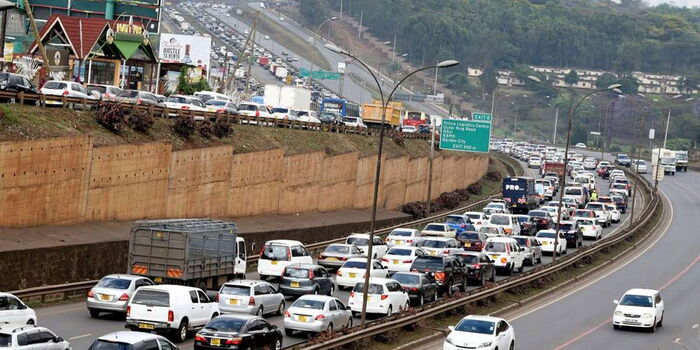
It is also a reminder of how matatus communicate serious things in a very Kenyan way. Direct, but still playful.
Sarcasm that hits a little too close
Some stickers do not even try to be polite.
You will find lines like
“Chunga mizigo yako uliyekaa naye ni mwizi kama wewe”
or
“Ungesoma vizuri hungekuwa hapa”
You read it, then you pause. Then you laugh. Then you wonder if you should feel attacked.
That is the thing with matatu humour. It is bold. Sometimes harsh. But it reflects how people actually talk and think. No filters.
Life advice, whether you asked for it or not
Not all stickers are jokes. Some try to be motivational, in their own way.
You might come across something like
“Maisha ni yangu matanga ni yenu”
Or
“Jikaze mapema, maisha si mchezo”
They sound like something an older relative would say, but here they are, printed on a moving vehicle.
Somewhere between traffic and loud music, you end up thinking about life decisions.
The random ones that just exist
Then there are those that make you wonder what the owner was thinking.
A matatu labelled “14 hustlers” instead of passengers. Another one saying something completely unrelated to anything happening around you.
No explanation. No context. Just vibes.
But somehow, they still work. They add personality. They make the matatu feel less like a vehicle and more like a space with its own character.
Why people love them
Matatu stickers are not just decoration. They are part of the experience.
They break the silence during a long ride.
They make people laugh, even strangers.
They reflect everyday struggles, humour, and street wisdom.
In a city where commuting can be stressful, those small lines can change the mood instantly.
More than just jokes
At the end of the day, these stickers are part of a bigger culture. Matatus have always been about expression. The music, the graffiti, the lighting, everything is intentional.
The stickers just happen to be the most relatable part.
Because everyone has seen one, laughed, and maybe even taken a photo.
And the next time you step into a matatu and see “Usiguze dereva mgongo”, you will probably smile.
Not just because it is funny, but because it feels like home.