Advertisement
Why railway ballast is used on train tracks and what it does
03rd June, 2026 12:13 AM

Railway ballast is one of the most important but least noticed, parts of railway infrastructure.
It is the layer of crushed stones placed under and around railway tracks, designed to support trains, maintain stability and protect the entire track system from damage.
Although it may look like simple stones scattered under the rails, railway ballast plays a critical engineering role.
Without it, train networks would quickly become unstable, unsafe and expensive to maintain.
This article explains what railway ballast is, why it is used, and how it keeps trains running safely and efficiently.
What is railway ballast?
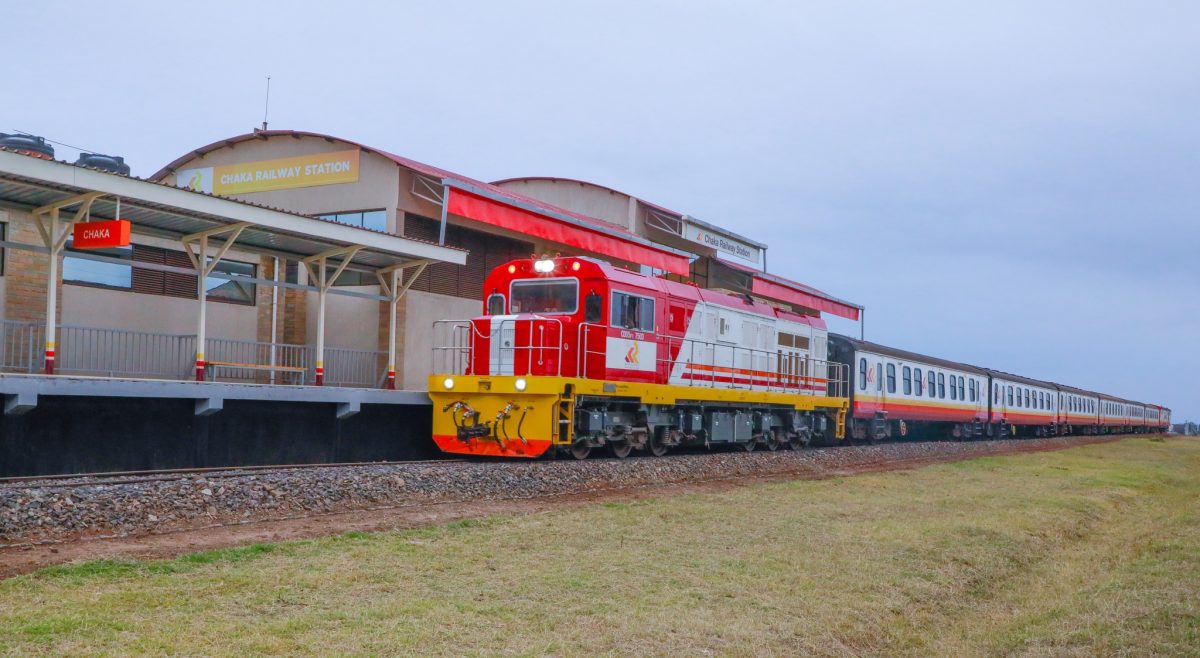
Railway ballast refers to the layer of hard, angular stones placed beneath railway sleepers and tracks.
These stones are usually made from strong rock materials such as granite or basalt, chosen for their durability and resistance to pressure.
Unlike smooth gravel, ballast stones are intentionally rough and sharp-edged.
This shape allows them to lock together tightly, forming a strong and stable base for railway tracks.
The result is a flexible yet firm foundation that supports heavy trains while allowing small adjustments when needed.
Why is ballast used on railway tracks?
Railway ballast is used for several essential engineering reasons. Its main purpose is to support the railway track structure and ensure safe train movement over long distances.
Trains are extremely heavy, and when moving at high speed, they generate powerful forces.
Without ballast, these forces would cause the ground beneath the tracks to shift, sink or become uneven.
By distributing weight evenly, ballast helps maintain a stable and level track structure.
Function of railway ballast in supporting heavy loads
One of the key functions of railway ballast is load distribution.
When a train passes, it applies intense pressure on the rails and sleepers.
Ballast spreads this pressure across a wider area, preventing direct impact on the soil beneath the track.
This reduces the risk of track deformation and helps maintain long-term structural integrity. It also ensures that railway lines can safely handle repeated heavy traffic without damage.
How ballast improves railway track stability
Track stability is essential for safe railway operations. Even small movements in the track can become dangerous at high speeds.
Railway ballast holds sleepers firmly in place and prevents lateral movement or sinking.
The interlocking nature of the stones creates a stable base that resists shifting caused by vibration, weather changes or train movement.
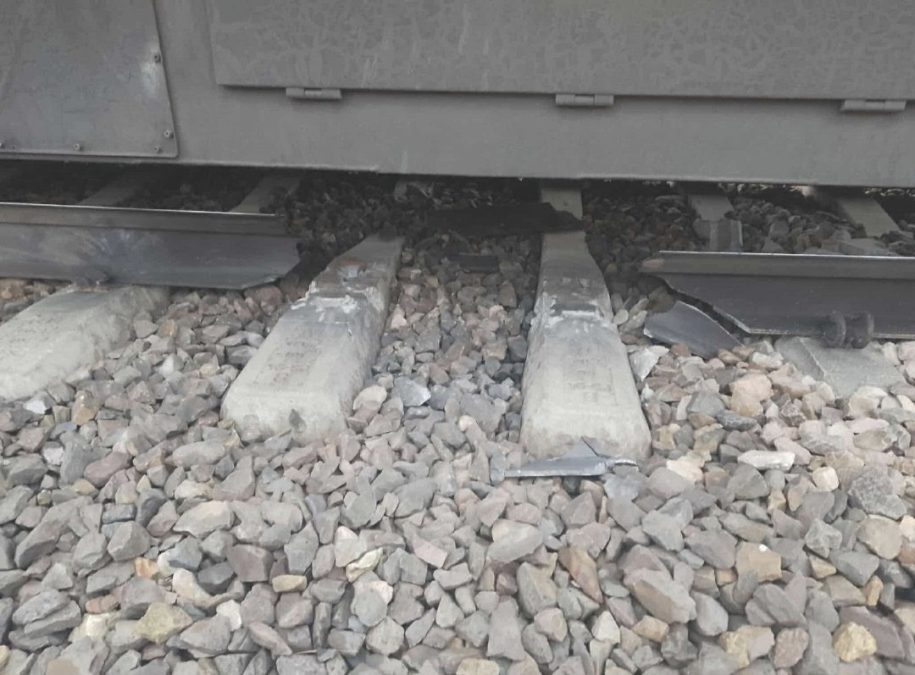
This stability is one of the main reasons trains can travel smoothly and safely over long distances.
Drainage function of railway ballast
Another important role of railway ballast is drainage.
Rainwater can easily accumulate around railway tracks during heavy rainfall.
If water is not properly drained, it can weaken the soil beneath the tracks and lead to instability.
Because ballast consists of loose, free-draining stones, water flows through it quickly and away from the track structure.
This prevents waterlogging and protects the railway foundation from erosion and damage.
Effective drainage also reduces maintenance costs and extends the lifespan of railway infrastructure.
How ballast reduces vibration and impact
Trains generate constant vibration and impact forces as they move along the rails.
Without a cushioning layer, these forces would damage both the track and the ground beneath it.
Railway ballast acts as a natural shock absorber. It slightly shifts under pressure, absorbing and dispersing energy from passing trains.
This not only protects the railway structure but also contributes to smoother and more comfortable train travel for passengers.
Why does ballast prevent vegetation growth?
Railway lines must remain clear for safe inspection and operation. Vegetation growth can interfere with track visibility and maintenance.
The structure of ballast makes it difficult for plants and weeds to grow. The stones do not retain enough moisture or soil to support plant life.
This helps keep railway corridors clear, reducing maintenance challenges and improving safety.
Maintenance and flexibility of railway ballast
Railway tracks require regular inspection and maintenance to remain safe and efficient.
One advantage of ballast is that it allows easy maintenance.
Engineers can lift, adjust or realign tracks by adding, removing or redistributing the stones beneath the sleepers.
This flexibility makes it possible to correct minor track issues without rebuilding the entire railway structure, saving both time and cost.