Advertisement
Why pool table balls are numbered and what the numbers mean
01st June, 2026 12:18 AM
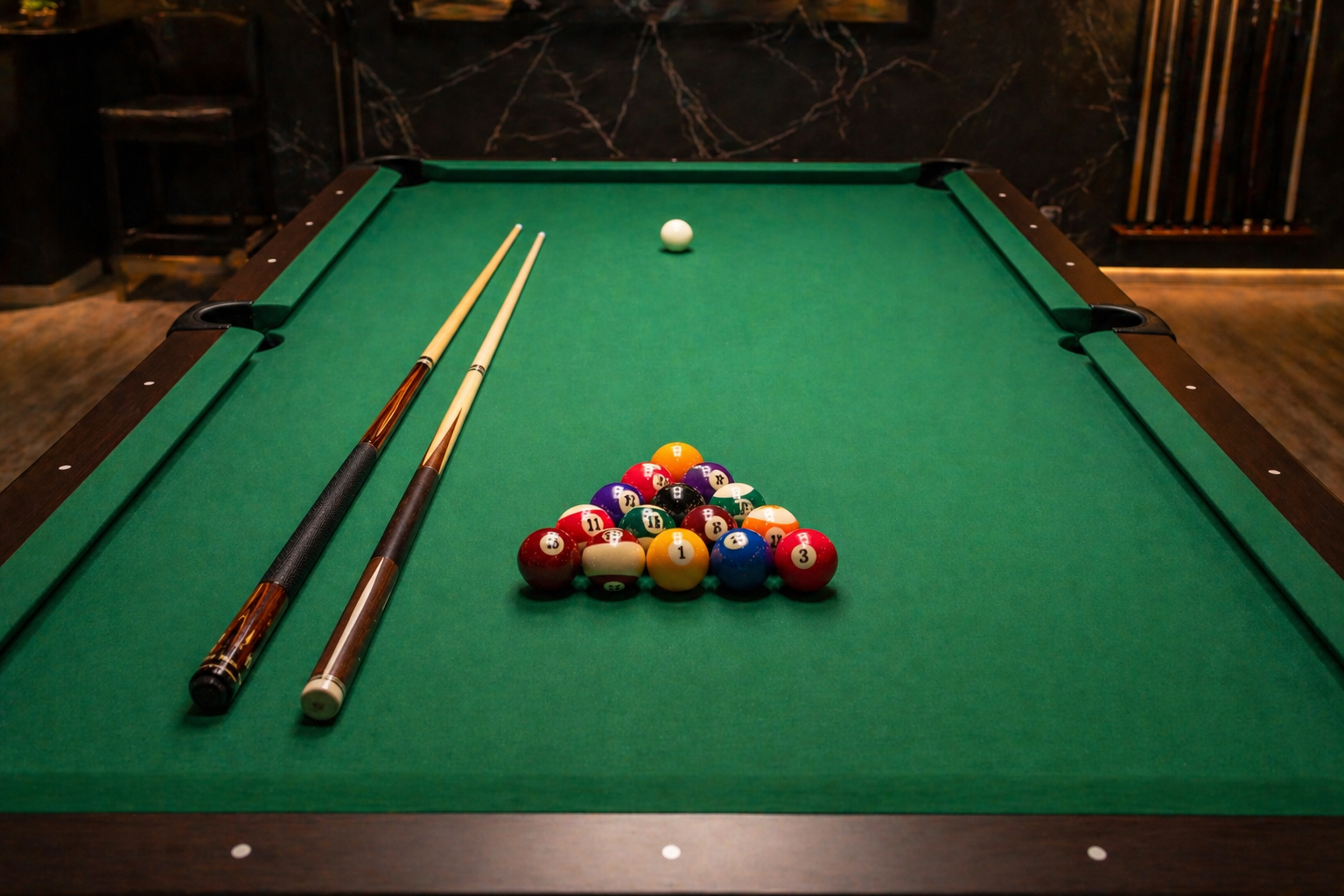
A pool table game, also known as billiards, is one of the most popular cue sports played in bars, clubs and recreational centres across the world, including Kenya.
While many players focus on aiming, breaking and potting balls, few understand the meaning behind the numbers printed on each pool ball and why the system exists in the first place.
The numbering of pool balls is not random. It is part of a standardised global system designed to make the game fair, structured and easy to understand in competitive play.
From casual games to professional tournaments, the numbers play an important role in how pool is played, refereed and understood.
Meaning of pool ball numbers explained

In standard pool games such as eight-ball and nine-ball, the balls are numbered from 1 to 15. Each number represents a specific ball with a fixed colour pattern and role in gameplay.
Balls numbered 1 to 7 are commonly known as solid balls. These balls are fully coloured with a single white stripe and a distinct base colour.
Balls numbered 9 to 15 are known as striped balls, which feature a white base with a coloured stripe running through them.
The 8 ball is unique and completely black. In eight-ball pool, it is considered the most important ball because it is the final ball that determines the winner.
The numbers themselves do not change the physical behaviour of the balls, but they are essential for identification, especially in competitive matches where clarity, rules, and shot-calling matter.
Why are pool balls numbered in billiards?
The numbering system was introduced to standardise cue sports and ensure consistency across regions and manufacturers.
Before standardisation, billiard sets varied widely, making it difficult to play organised or international matches.
The modern 1-to-15 numbering system allows players worldwide to follow the same rules, whether playing in casual settings or professional tournaments.
It also makes it easier for spectators and referees to follow fast-paced matches, especially in televised competitions where quick identification is important.
Solids vs stripes meaning in pool games
One of the most important aspects of pool ball numbering is the division between solids and stripes.
In eight-ball pool, players are usually assigned either solids or stripes after the break.
This means each group of numbers determines which balls a player must pot to win.
Solids include balls numbered 1 to 7, while stripes include balls numbered 9 to 15.

The assignment of groups introduces strategy into the game, as players must plan shots carefully to clear their assigned set before targeting the 8 ball.
This system makes the pool more than just a game of aiming. It becomes a game of planning, positioning and control.
Why the 8-ball is special in pool
The 8 ball holds a special position in the game and is often considered the most important ball on the table.
In eight-ball pool, the 8 ball is placed in the centre of the triangular rack before the break.
This positioning is intentional, as it increases unpredictability when the balls are struck, making each game different from the last.
The 8 ball is the final ball that must be pocketed to win the game.
However, potting it too early or illegally results in an automatic loss under most official rules, making it a high-pressure target.
Pool ball design and hidden technical facts
Pool balls are carefully engineered to ensure consistency in gameplay.
A standard pool ball typically weighs between 156 and 170 grams. This precise weight ensures predictable movement, spin and collision during play.
Professional-grade pool balls are made from phenolic resin, a durable material that provides consistent bounce and wear resistance.
Cheaper sets are often made of plastic, which can affect how the balls respond to impact and over time.
Even small differences in weight or material can influence gameplay, especially in competitive settings where precision is critical.
Pool rules explained for beginners
Understanding pool ball numbers also helps beginners learn the game’s basic rules faster.
In nine-ball pool, players must hit the lowest-numbered ball on the table first. This means the numbers directly affect the order and strategy of gameplay.
In eight-ball pool, the numbers determine player groups, legal shots and winning conditions. Players must clear all their assigned balls before attempting the 8-ball.
This structure makes the pool both simple to start and strategically deep as players improve.