Advertisement
Simple board games that turn a boring weekend to a fun indoor hangout
29th May, 2026 07:06 PM
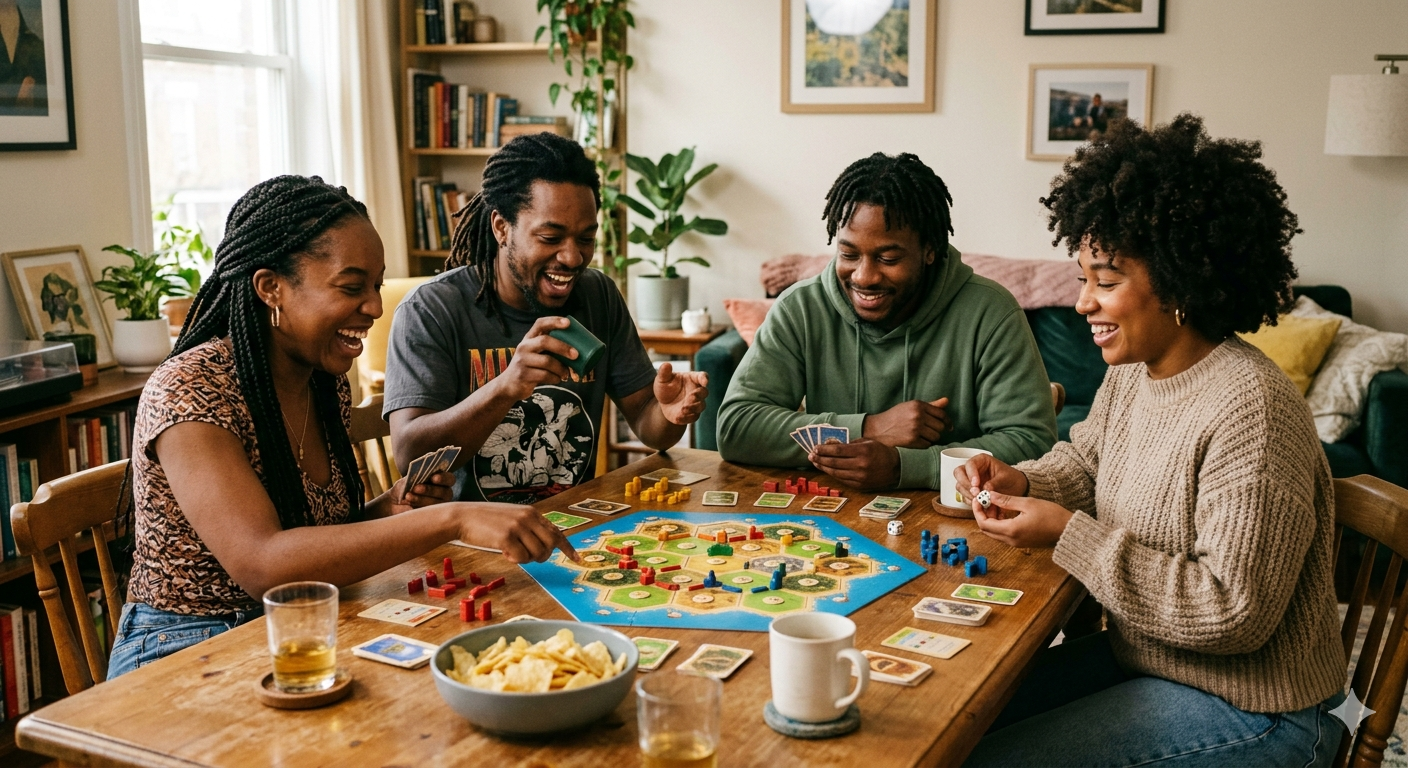
Weekend afternoons often come with the same question for many groups of friends: What do we do indoors without scrolling through phones the whole time? In many homes, board games are quietly making a comeback as an easy way to reconnect, laugh, and pass the time without pressure or planning a big outing.
When screens take a back seat
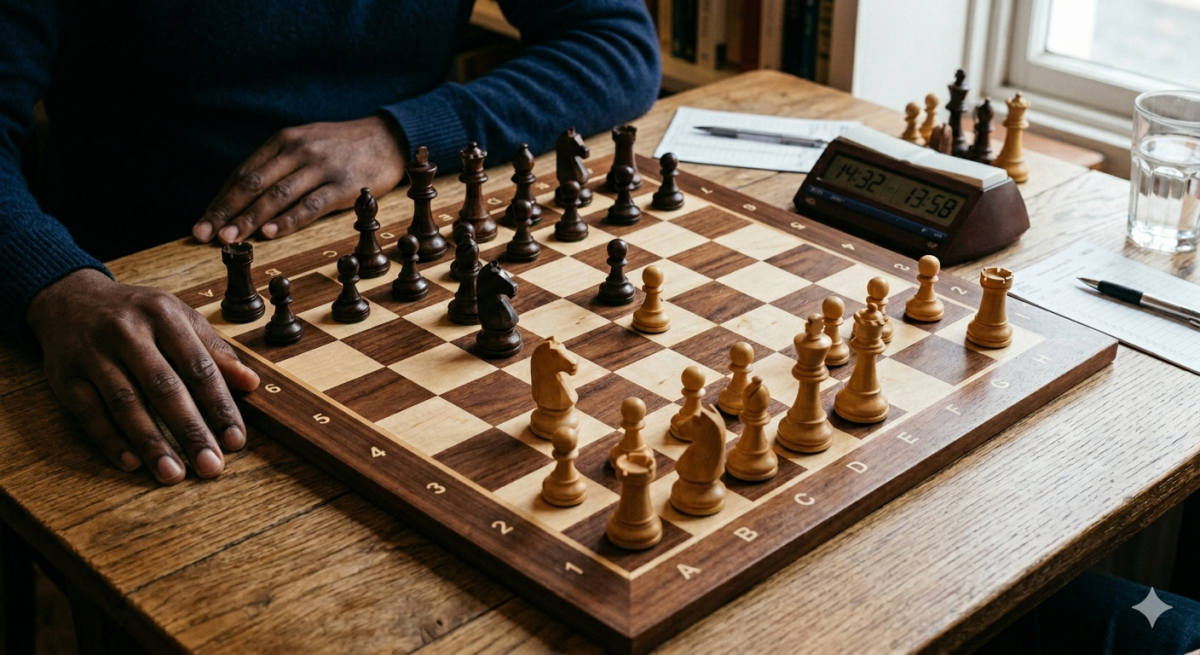
Board games offer a simple break from constant screen time. Games like Ludo, Monopoly, Scrabble, Uno, and Chess have remained popular across generations because they are easy to set up and don’t require much equipment. According to insights shared by board game communities such as BoardGameGeek, the appeal of tabletop games lies in their ability to create face-to-face interaction, something that is often missing in daily digital life.
Even a short game session during a weekend afternoon can change the mood in a room. Instead of everyone sitting quietly on their phones, there is conversation, teasing, and shared excitement over every move made on the board.
Easy games that anyone can learn
One of the best things about board games is that they do not require special skills to start. Games like Uno and Ludo are simple enough for beginners, while still being competitive and entertaining for regular players. Scrabble adds a word challenge that can be both educational and fun, especially for groups that enjoy language and creativity.
Board games are designed to bring people together through shared play, laughter, and simple competition. This is why even people who rarely play games often find themselves drawn into a quick match when friends bring out a board on a quiet afternoon.
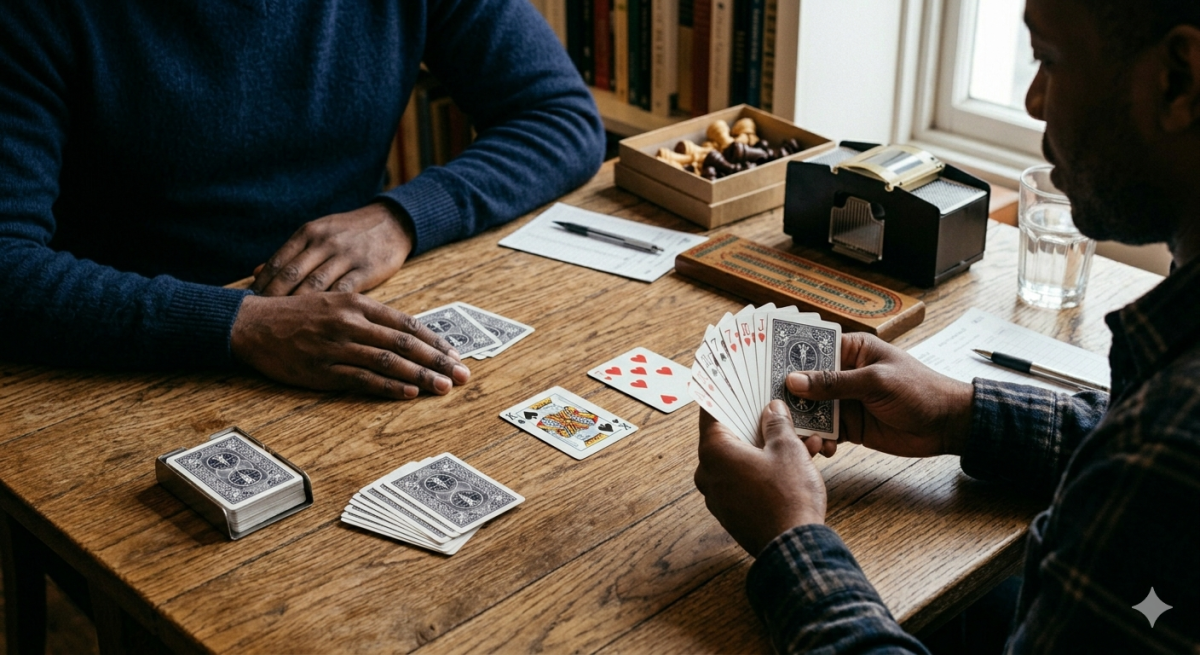
Why board games still bring people together
Despite the rise of digital entertainment, board games continue to survive because they create a real human connection. There is something about sitting around a table, rolling dice, drawing cards, and reacting in real time that screens cannot fully replace.
Psychology have often noted that group play helps reduce stress and improve communication. A review by the Psychological Association has pointed out that shared recreational activities can strengthen social bonds and improve mood in informal settings.
Weekend afternoons are especially perfect for this kind of interaction. There is no rush, no strict schedule, just time to enjoy each other’s company while competing or cooperating on the board.
In the end, board games are not just about winning or losing. They are about laughter over unexpected moves, friendly arguments over rules, and moments that feel lighter than the rest of the week.