Mount Ololokwe: Why it is one of Kenya’s ultimate hikes for tourists
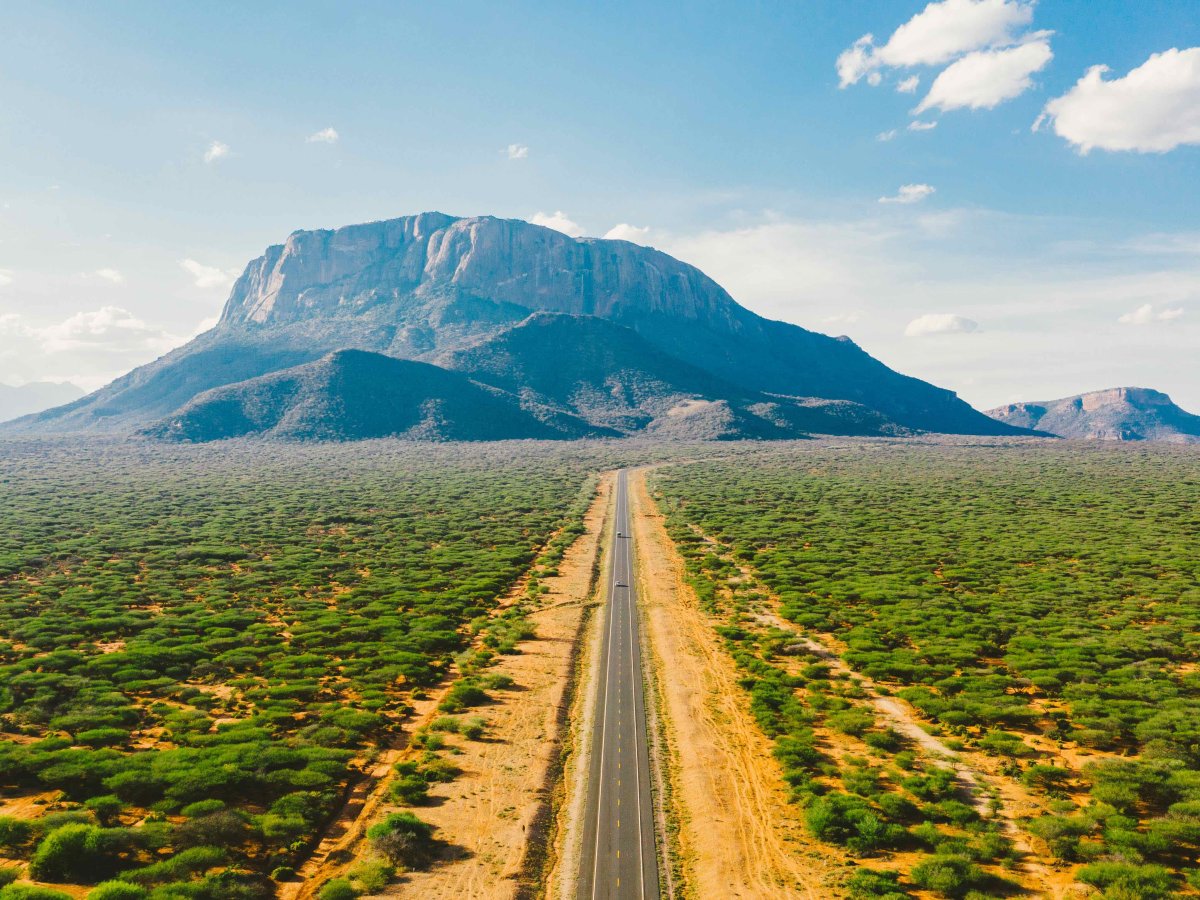
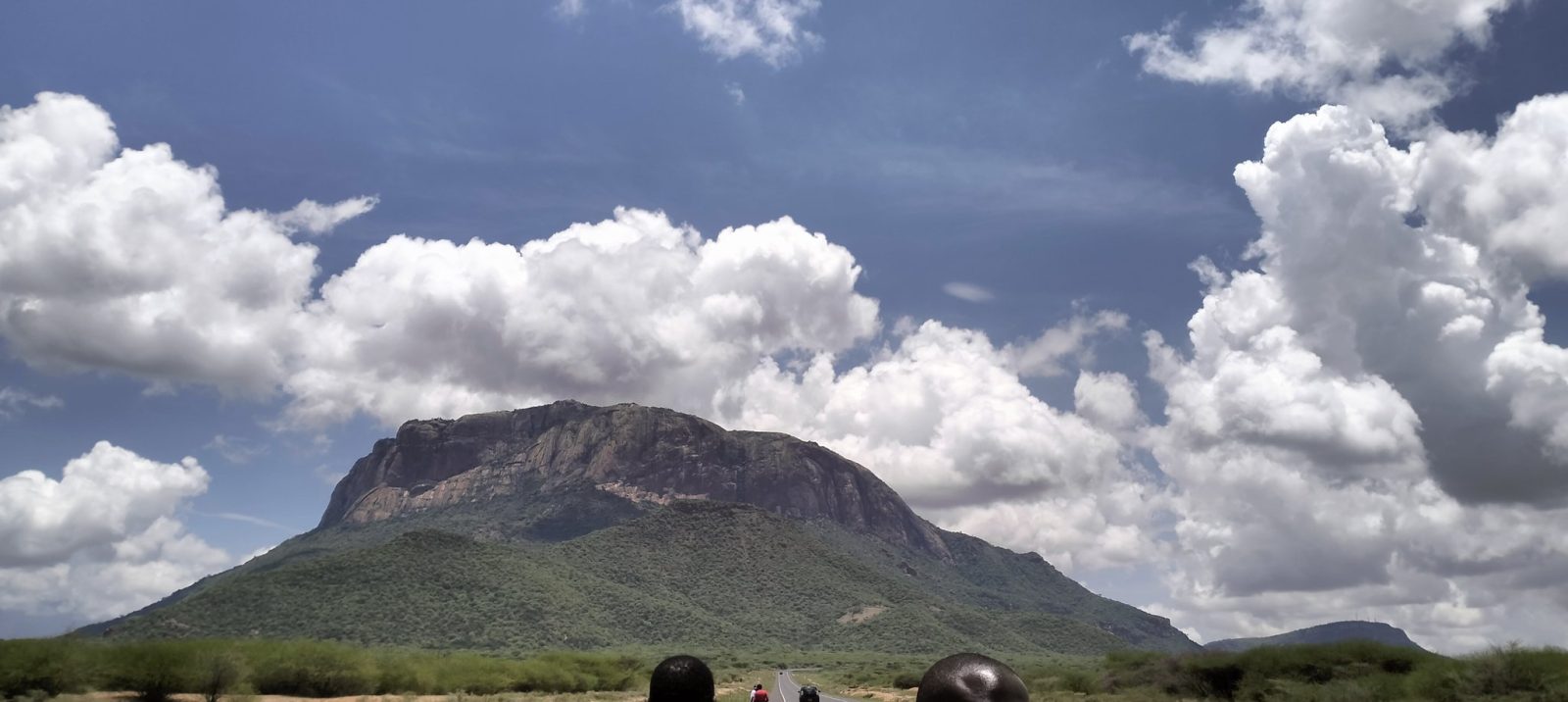
By Dan Kauna, August 20, 2026If you drive north along the Nairobi-Moyale highway through Samburu County, a massive flat-topped mountain suddenly rises high above the dry plains.
This is Mount Ololokwe, known locally as Ol Donyo Sabache. Standing 2,000 metres above sea level with vertical cliffs, it has become one of the most rewarding hiking spots in Kenya for outdoor enthusiasts.
A trek through two different worlds
The hike to the summit takes between three and five hours depending on your fitness level. Local Samburu guides lead visitors along steep, narrow paths originally carved into the rock by wild elephants.
What makes this climb special is how drastically the environment changes as you move up. The trek starts in hot, semi-arid bushland full of thorn trees. But as you climb higher, the temperature drops and the air becomes noticeably cooler.
By the time you reach the summit plateau, you enter a damp mist forest filled with native cedar trees, wild orchids, and rare plants that survive on moisture trapped by the high elevation.
Walking in these open spaces does more than test your endurance; it also relaxes the mind.
A study published in the Proceedings of the National Academy of Sciences showed that spending time in wild landscapes calms the brain, noting that “accessible natural areas may be vital for mental health in our rapidly urbanizing world” by reducing stress levels.
Culture, conservation, and practical tips
Beyond the physical challenge, Mount Ololokwe carries deep cultural meaning for the Samburu people. Pastoralist families have long considered the mountain sacred, relying on its high pastures to feed their livestock during severe dry seasons.
Today, local Samburu youth lead the trekking operations. Guide and entry fees run at about Ksh1,000 for Kenyan citizens and USD30 for foreign visitors.
You can visit the mountain at any time of the year, but the dry months from January to March and July to October offer the safest walking conditions on the rocks.
Hikers should pack enough drinking water, wear sturdy boots, and carry a warm jacket for the cool summit winds.