Advertisement
The silent health threat of sleeping with your phone
15th March, 2026 03:21 PM
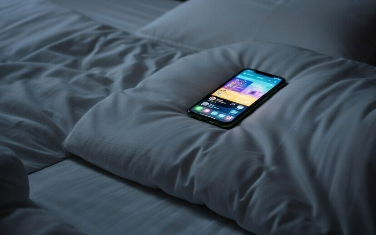
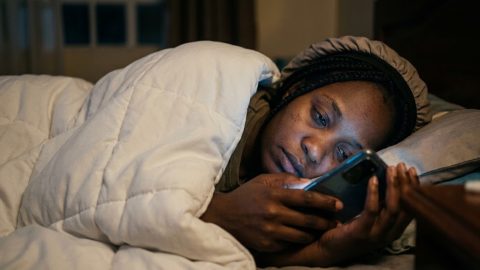
For many, keeping a mobile phone beside the bed has become routine. From late-night scrolling to answering messages, phones are rarely out of reach.
But according to research published by the National Centre for Biotechnology Information (NCBI), this habit could be quietly harming your sleep. People who use their phones heavily are more likely to report poor sleep quality than those who limit screen time at night.
Even brief exposure to notifications or alerts during the night can disrupt the brain’s natural rhythms.
Experts note that it’s not just the content on the screen that matters; the very presence of a phone within arm’s reach can keep the brain subconsciously alert.
This constant stimulation makes it harder for the mind to fully relax, which is essential for deep, restorative sleep. Many people are unaware that just having a phone nearby can affect the body’s natural rest cycle.
Sleep-disrupted patterns
Frequent phone users often experience restlessness, difficulty falling asleep, or waking up during the night. Heavy mobile use has been linked to altered sleep patterns, which makes it harder to reach the deeper, most restorative phases of sleep.
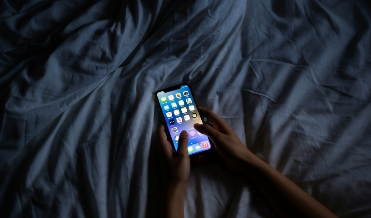
Blue light emitted by screens suppresses melatonin, the hormone responsible for signalling the body that it’s time to sleep.
Meanwhile, engaging with social media, messaging apps, or videos late at night keeps the brain active when it should be winding down, delaying the onset of restful sleep and reducing overall sleep efficiency.
Wider health impacts
Poor sleep carries consequences far beyond fatigue. People who consistently fail to rest well are more likely to experience daytime sleepiness, reduced focus, irritability, and mood changes.
Over time, chronic sleep disruption may increase the risk of high blood pressure, weakened immunity, obesity, and other long-term health issues.
In children and adolescents, insufficient sleep can affect learning, memory, and mental health, making it harder to perform academically and socially.
The research recommends practical steps to protect sleep: keep phones out of the bedroom, follow a consistent sleep routine, and avoid screens at least an hour before bed.
Even small changes like turning off notifications or placing the phone across the room can improve sleep quality.
Author
William Muthama
William Muthama is a digital journalist with a focus on entertainment, human interest, and current affairs. Share stories: [email protected]/ [email protected]
View all posts by William Muthama