The real reason Kenyan women are obsessed with ‘edges’ – and what the science says
By Dan Kauna, May 4, 2026There is a specific kind of satisfaction that comes from a perfectly laid edge.
Not just neat hair. Laid hair. Swooped, sculpted, frozen in place like it was always meant to curve that way.
Walk anywhere there is a mirror and you will see it. Women leaning in with tiny brushes, working gel into the fine hair at their hairlines with the kind of concentration usually reserved for exams. Edge control is a line item in the monthly budget. A good edge brush travels in handbags.
There are entire TikTok pages dedicated to the before and after.
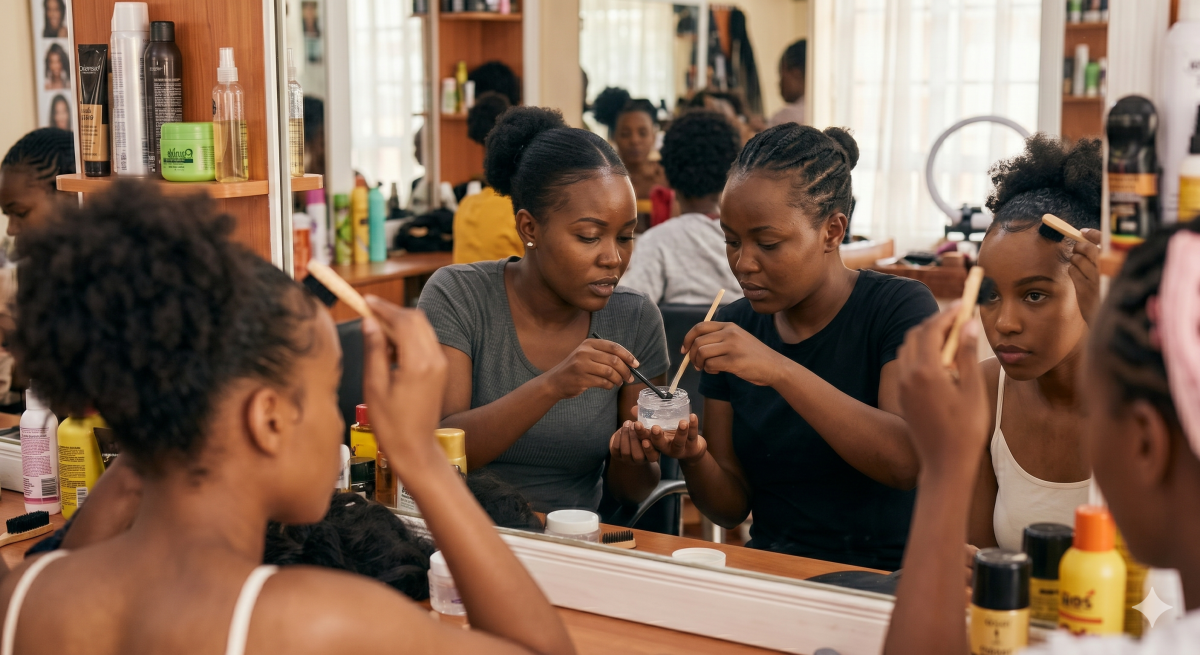
So where does this come from, and why does it feel so urgent?
Part of it is cultural. Baby hair has long been celebrated across African and diasporic communities as a marker of care, femininity, and style. In Kenya specifically, the neat hairline carries a particular social weight; it signals that you showed up put-together, that you bothered.
Among younger women especially, it has become a creative canvas. Stars, waves, loops, the little curl pressed flat at the temple. It is personal branding, done in gel.
Social media has done the rest. Tutorials go viral. Products get cosigned by popular creators. A new edge control drops and within a week it is sold out.
When the edges fight back
Here is the part nobody posts about. The same baby hair women work so hard to lay is also among the most fragile hair on the body. It is finer, shorter, and more exposed than the rest, and it sits right at the hairline, where tension from wigs, braids, and tight styles already does damage over time.
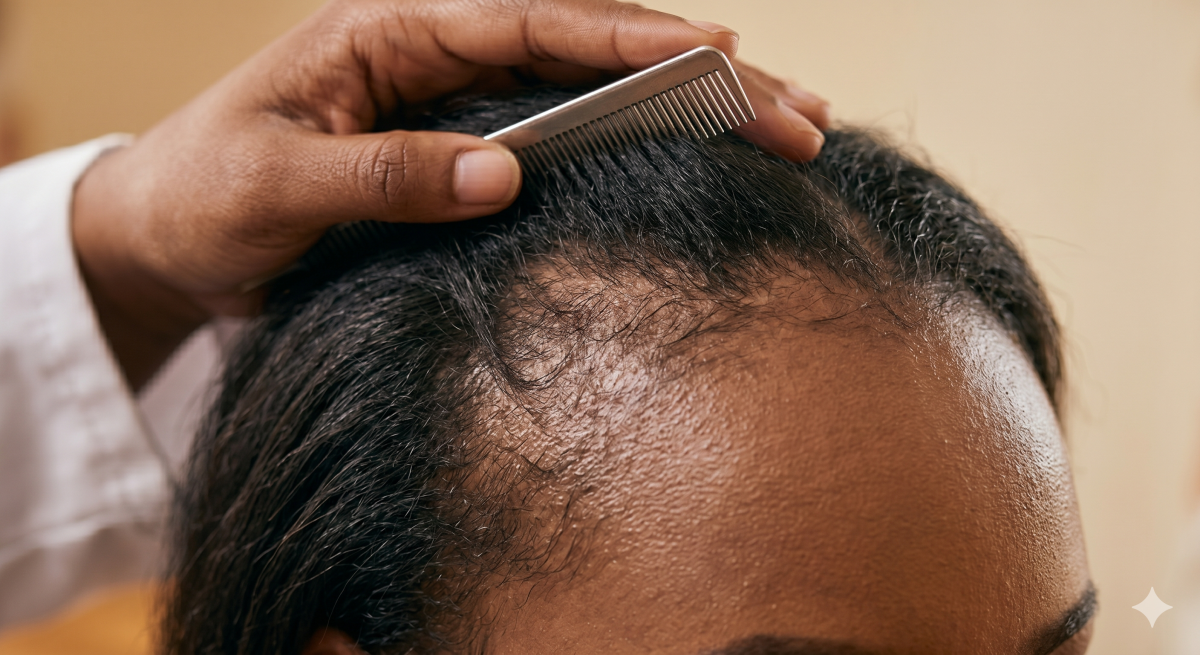
Overusing strong-hold gels, especially those high in alcohol, dries the hair shaft and weakens the follicle. Brushing too aggressively, or too often, causes breakage.
And if a wig band sits on the same spot every day, the pressure adds up. Traction alopecia, the gradual thinning of the hairline from repeated pulling and stress, is more common than many women realise, and the edges are often the first place it shows.
The tricky part is that the loss can be slow and easy to miss. Until it isn’t.
What dermatologists actually recommend
Dermatologists who work with Black hair are not telling women to abandon their edge routines. They are asking for a lighter touch.

A 2016 study published in the Journal of the American Academy of Dermatology by researchers at Johns Hopkins School of Medicine found that many hairstyling practices common in the Black community, while useful for everyday manageability, have been identified as risk factors for traction alopecia.
More striking is how widespread the problem already is: one study found traction alopecia affecting 37% of women at a primary care centre in Cape Town, South Africa, and a 2020 cross-sectional study in Yaoundé, Cameroon, found a prevalence of 34.5% among women surveyed in hair salons.
The hairline, where edges live, is consistently the first place it appears.
Part of what makes edge products specifically risky is their formulation. To achieve the firm hold needed to slick edges down, most edge control products contain significant amounts of alcohol, which provides quick-drying and hold but can dry out follicles, making hair more brittle and susceptible to breakage.
High-alcohol gels dry out hair shafts, causing them to snap under lower tension. Meaning even moderate brushing can cause damage to a follicle that is already dehydrated.