Advertisement
Why water damages phones and what to do immediately
23rd May, 2026 04:06 PM
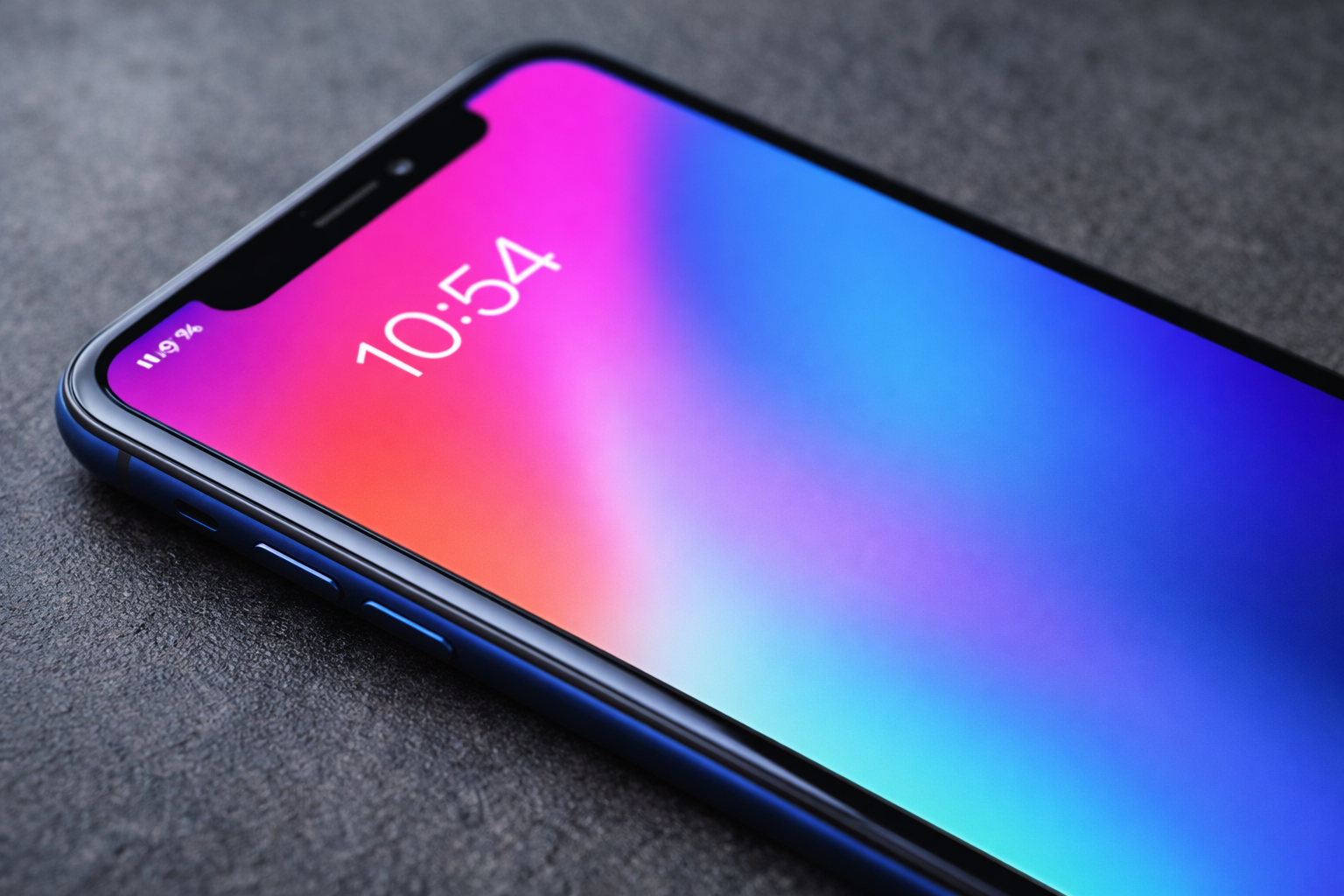
Water contains hydrogen and oxygen elements and when it comes into contact with any electronic device like a phone, the reaction can quickly interfere with the tiny electrical systems inside the device.
That is why even a small spill can sometimes leave a smartphone completely useless within minutes.
Many people have experienced that moment of panic after dropping a phone in water, spilling tea on it, or getting caught in heavy rain while texting.
At first, the phone may appear normal, only to begin malfunctioning hours later.
Understanding what happens inside can help people respond correctly and possibly save their devices.
How water spillage affects a phone
A smartphone contains very delicate electrical circuits, metal connectors, batteries and chips that all work together to process commands.
Electricity flows through these tiny pathways in a controlled manner.
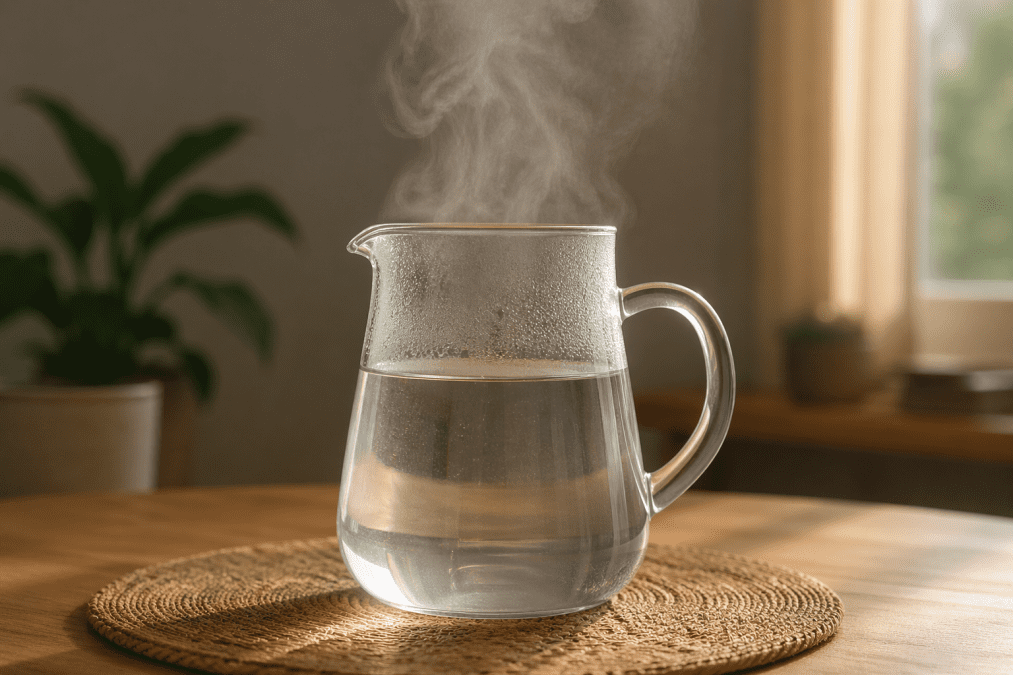
When water enters the phone, it creates unwanted paths for electricity to travel.
This can cause short circuits, overheating and failure of important components.
Water also reacts with metals inside the device, leading to corrosion.
Corrosion slowly eats away parts of the circuit board much like rust damages iron.
Interestingly, pure water itself is not always the biggest problem.
The real danger often comes from minerals, salts and impurities found in rainwater, tap water, juice or soda.
These substances conduct electricity more easily and increase damage inside the phone.
That is why a phone dropped in salty ocean water is usually damaged faster than one exposed to clean water.
Why water doesn’t affect all phones
Not all water accidents end the same way. Some phones shut down instantly, while others continue working for days before developing problems.
This depends on several factors, including how much water entered the device, how long it stayed inside and whether the phone was powered on during exposure.
If electricity continues flowing while water is inside, the risk of short circuiting becomes much higher.
In some cases, damage may affect only the screen, speaker or charging port. In more severe situations, the motherboard can fail completely.
Modern smartphones now come with varying levels of water resistance, but many users misunderstand this feature. Water resistant does not mean waterproof.
A phone may survive light rain or accidental splashes but still become damaged after being submerged or exposed for too long.
Heat can also worsen the situation. Some people rush to dry phones using hairdryers or direct sunlight, but excessive heat may damage batteries and internal adhesives even further.
What to do incase of phone-water spillage
The first few minutes after water exposure are extremely important. Acting quickly may reduce permanent damage.
A wet phone should immediately be switched off if it is still on. Continuing to use it while water is inside increases the chances of electrical damage.
The phone should then be dried gently using a soft cloth while removing accessories such as the cover, memory card and SIM card if possible.
Shaking the phone aggressively is not recommended because it may spread water deeper into internal parts.
Many people place wet phones inside dry rice, but experts say silica gel packets are often more effective at absorbing moisture.
The device should also be left unused for enough time before attempting to charge or switch it on again.
Most importantly, people should avoid plugging in a wet phone. Charging while moisture is present can severely damage charging systems and batteries.