Advertisement
Understanding smartphone display types and how they affect your viewing experience
07th May, 2026 03:46 PM
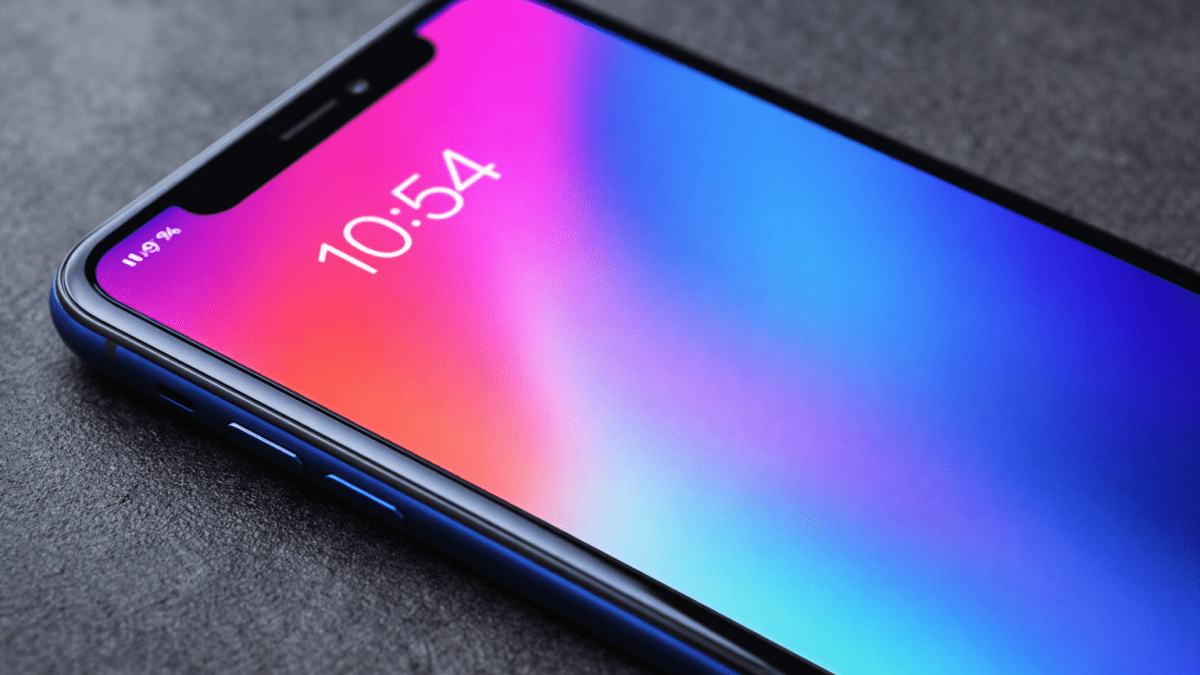
Smartphone displays have evolved rapidly over the years, transforming how people watch videos, play games, browse social media, and read content online.
Today, phone manufacturers use different screen technologies to improve brightness, color quality, smoothness, and battery efficiency.
Understanding these display types helps buyers choose devices that suit their daily needs and budget.
LCD and IPS LCD display
LCD, which stands for Liquid Crystal Display, is one of the oldest smartphone screen technologies still in use today.
LCD screens rely on a backlight positioned behind the panel to illuminate images and colors.
Because of this design, black colors are not completely deep, especially when using the phone in dark environments.
However, LCD displays are known for producing natural-looking colors and good brightness levels.
An improved version known as IPS LCD, or In-Plane Switching LCD, offers better color accuracy and wider viewing angles.
Images remain clear even when the phone is tilted sideways.
IPS LCD displays are commonly found in budget and mid-range smartphones because they balance quality and affordability.
While they may not offer the deep contrast of OLED panels, they are reliable and less prone to screen burn-in problems.
AMOLED and Super AMOLED display
AMOLED, meaning Active Matrix Organic Light Emitting Diode, is among the most popular smartphone display technologies today.
Unlike LCD panels, AMOLED screens do not require a separate backlight because each pixel produces its own light.
This allows the display to switch off individual pixels completely when showing black colors, resulting in deep blacks and impressive contrast levels.
AMOLED displays are loved for their vibrant colors and immersive viewing experience, especially when watching movies or gaming.
They also help save battery power when dark mode is enabled since black pixels consume less energy.
Super AMOLED is a more advanced version mainly developed by Samsung.
It integrates the touch layer directly into the display, making screens thinner, brighter, and more responsive.
Super AMOLED displays also reduce reflections, improving visibility under direct sunlight.
Many premium smartphones use this technology because it delivers rich visuals and excellent overall performance.
Dynamic AMOLED and LTPO AMOLED display
Dynamic AMOLED displays improve further on AMOLED technology by enhancing brightness, HDR performance, and color accuracy.
These screens produce highly realistic visuals with better detail in both bright and dark scenes.
Many flagship smartphones now use Dynamic AMOLED panels to offer cinematic viewing experiences.
LTPO AMOLED is one of the newest smartphone display technologies. LTPO stands for Low Temperature Polycrystalline Oxide.
This technology allows the screen to adjust refresh rates automatically depending on what the user is doing.
For example, the display may run at 120Hz during gaming for smooth performance and lower itself to 1Hz when showing a static image to save battery power.
The result is a display that feels extremely smooth while remaining power efficient.
LTPO AMOLED screens are mostly found in premium flagship phones because they combine advanced performance, fluid animations, and longer battery life.